In 24 out of 26 cantons, inheritance taxes are already levied, but at lower rates.
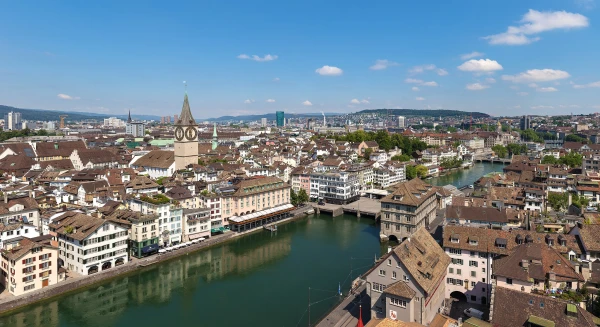
In Switzerland, the results of a nationwide referendum have been announced, which posed the question of imposing a large tax on the inheritance of millionaires. The overwhelming majority of Swiss citizens expressed their opposition. Thus, the initiative aimed at reducing the gap between the rich and the poor and lowering the cost of living in one of the most "expensive" countries in the world has failed. The referendum took place against the backdrop of discussions in many European countries about measures aimed at reducing the super profits of the wealthy, writes "Independent Newspaper."
The referendum, initiated by one of the oldest and most influential left-wing political forces in the country, the Social Democratic Party, proposed a tax of 50% on inherited wealth if it exceeds 50 million Swiss francs (62 million USD). The Social Democrats suggested directing the proceeds from this tax to combat climate change. They faced a harsh disappointment: the overwhelming majority (78%) of Swiss citizens voted against the party's proposal in the referendum.
This is not the first attempt for the country to make the super-rich contribute additional payments to the budget. In 2015, a proposal was also made to tax large inheritances. At that time, it was about 20% on wealth exceeding 2 million Swiss francs (almost 2.5 million USD). The additional budget revenues were intended to increase pension payments. In 2021, a proposal was put to a referendum that would increase collections for individual income from capital (this includes income from interest on deposits, dividends from stocks, or rental income from leasing property, etc.). Both times, the matter reached a nationwide vote, where both initiatives were convincingly rejected.
It would seem that it should be the other way around. Supporters of increasing taxes on the wealthy explain with figures in hand that the more millionaires and billionaires pay, the lower the prices for everything. Switzerland is known for its high cost of living, which is complained about not only by tourists but also by locals. At the same time, it turns out every time that the downsides of taxes on super wealth outweigh the possible benefits. The downsides, as explained by the Swiss government and a number of parties that opposed the current referendum, are numerous.
Firstly, there is a decrease in the investment attractiveness of the country. Even if new taxes bring income to the budget, there are concerns that the amounts will be many times lower if large capital begins to leave the country. In such a situation, it looks much more reliable for the Swiss to maintain the existing tax rules. Secondly, the targeted allocation of collections from the wealthy proposed by the Social Democrats also appears as a downside.
Many Swiss voted against due to disagreement with additional spending on combating climate change or increasing pensions.
Thirdly, resistance to the introduction of federal taxes comes from the cantons – the state-territorial units of Switzerland. They enjoy high tax autonomy, so they perceive the idea of introducing additional general collections from the population painfully. In 24 out of 26 cantons, inheritance taxes are already levied, but at lower rates than those proposed by the Social Democrats.
Finally, the fourth issue is migration. About 30% of the population in the country are migrants, often in the first generation. Nevertheless, the high cost of living and obstacles in obtaining long-term residence permits in Switzerland ensure a high level of reverse migration – the process of returning migrants to their homeland or to their previous country of residence. Thus, only initially well-off foreigners or those who manage to find high-paying jobs can settle in Switzerland.
According to the Federal Statistical Office of the country for 2023, the majority of migrants are from European countries. Among them, there is a high proportion of Germans, French, Italians, and Portuguese. The largest group of migrants consists of Ukrainians, but the increase in their number is due to the Russian-Ukrainian conflict, after which, as many Swiss hope, Ukrainians will return home.