
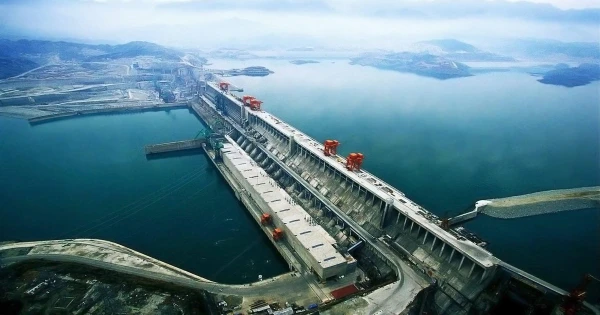
The energy of water transforms vast developing regions.
Across the globe, giant dams rise as a testament to humanity's most ambitious engineering achievements. They are built not only for electricity generation but also for flood prevention, agricultural support, and transforming entire regions through the power of water flows.
The list below represents the five most powerful dams ever built, based on their installed hydroelectric capacity. Each of these megaprojects is the result of decades of planning, investment, and innovation.
1. Three Gorges Dam (China) – 22,500 megawatts.
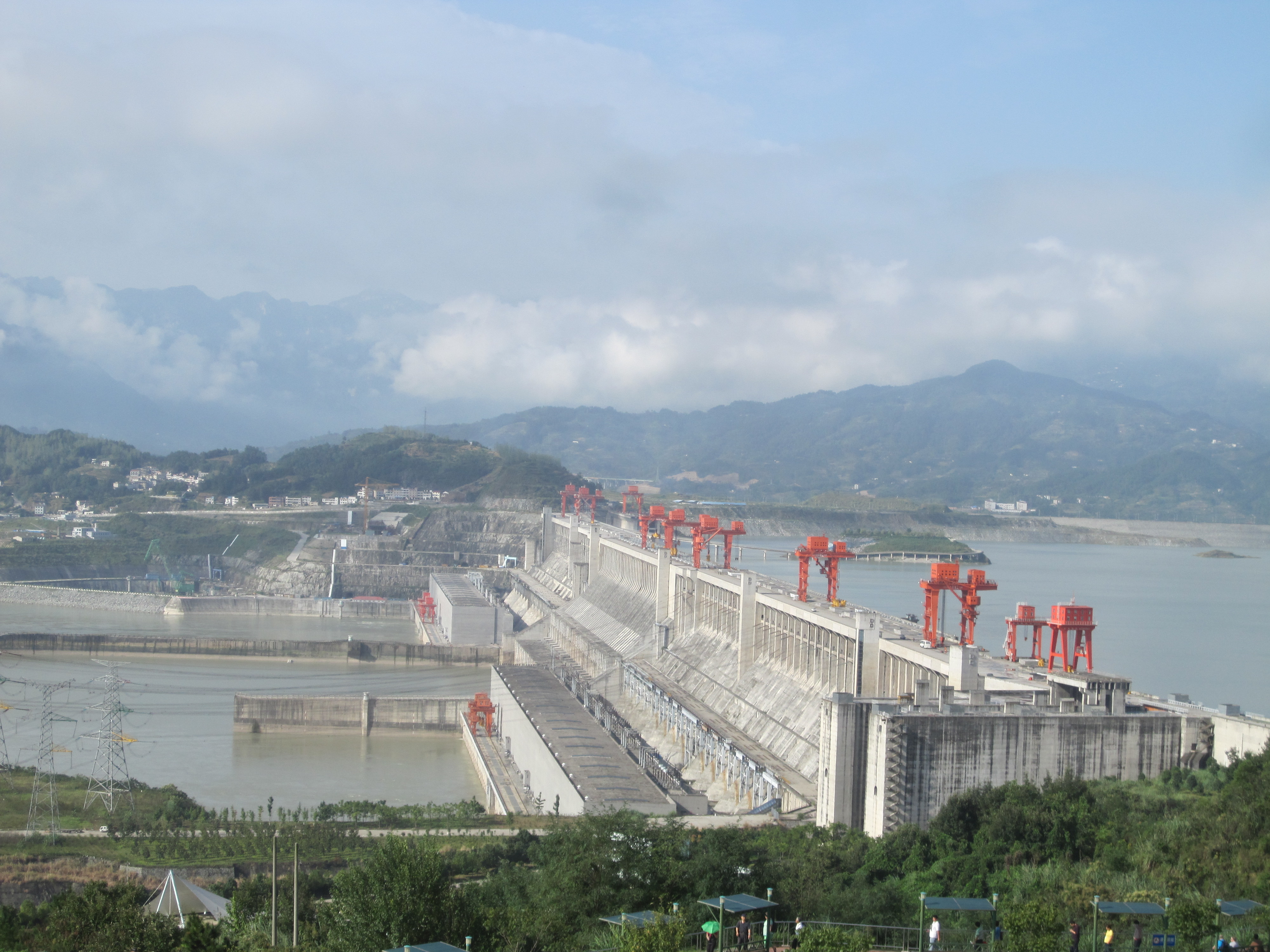
Built on the Yangtze River, the Three Gorges Dam is known as the most powerful hydroelectric power station in the world to date. It spans over 2,300 meters in length and stands 181 meters tall. Completed in 2006 after construction began in 1993, this massive concrete giant redefined the boundaries of what is possible in large-scale hydroengineering.
In addition to generating over 90 billion kilowatt-hours of electricity annually, the dam helps regulate the Yangtze River, infamously known as one of the most flood-prone river systems in the country.
The structure has also significantly improved navigation on the river, increasing capacity from 18 to an estimated 50 million tons per year and reducing transportation costs by about 30%.
2. Baihetan Dam (China) – 16,000 megawatts.
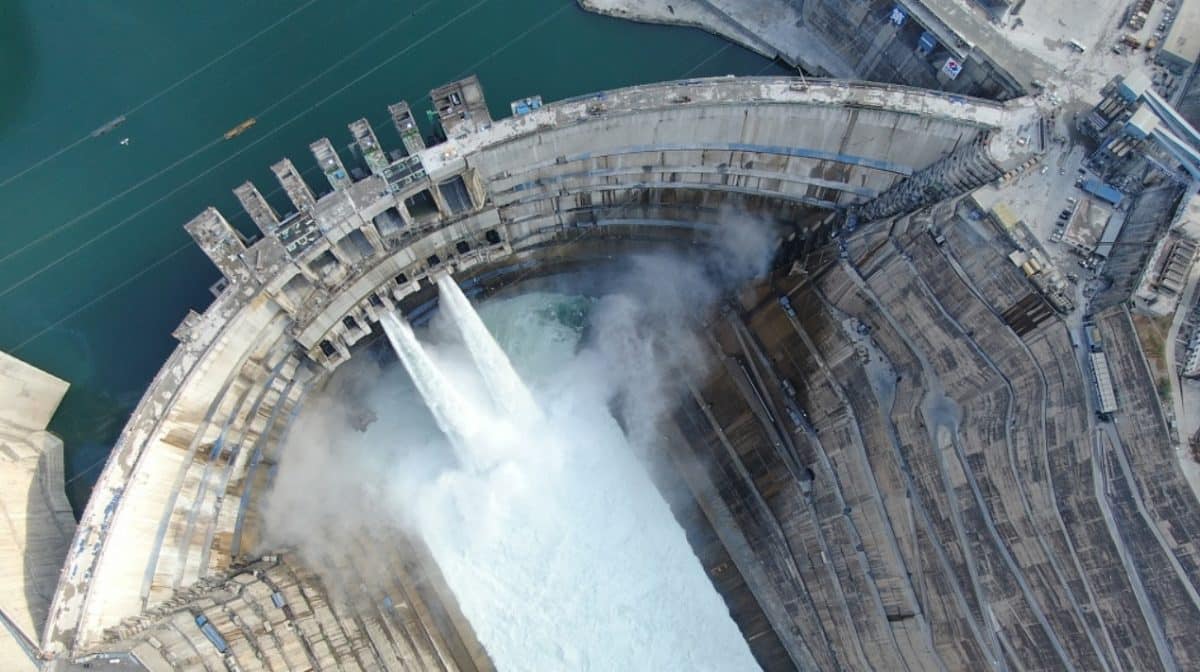
The Baihetan Dam, commissioned in 2022, marks a new milestone in the development of China's hydropower. Located on the Jinsha River, it rises 289 meters and utilizes turbines with a capacity of 1,000 megawatts each — the most powerful hydro units ever created.
The dam's reservoir, with a capacity of over 20 billion cubic meters, ensures stable generation of large amounts of electricity throughout the year.
Producing over 62 billion kilowatt-hours annually, Baihetan significantly reduces China's dependence on coal. Its construction, which took about 13 years, has strengthened the country's long-term energy security at a critical moment in its transition to a low-carbon economy. The station also supplies electricity to western provinces, accelerating industrial growth and improving energy supply in previously underdeveloped regions.
3. Itaipu Dam (Brazil-Paraguay) – 14,000 megawatts.
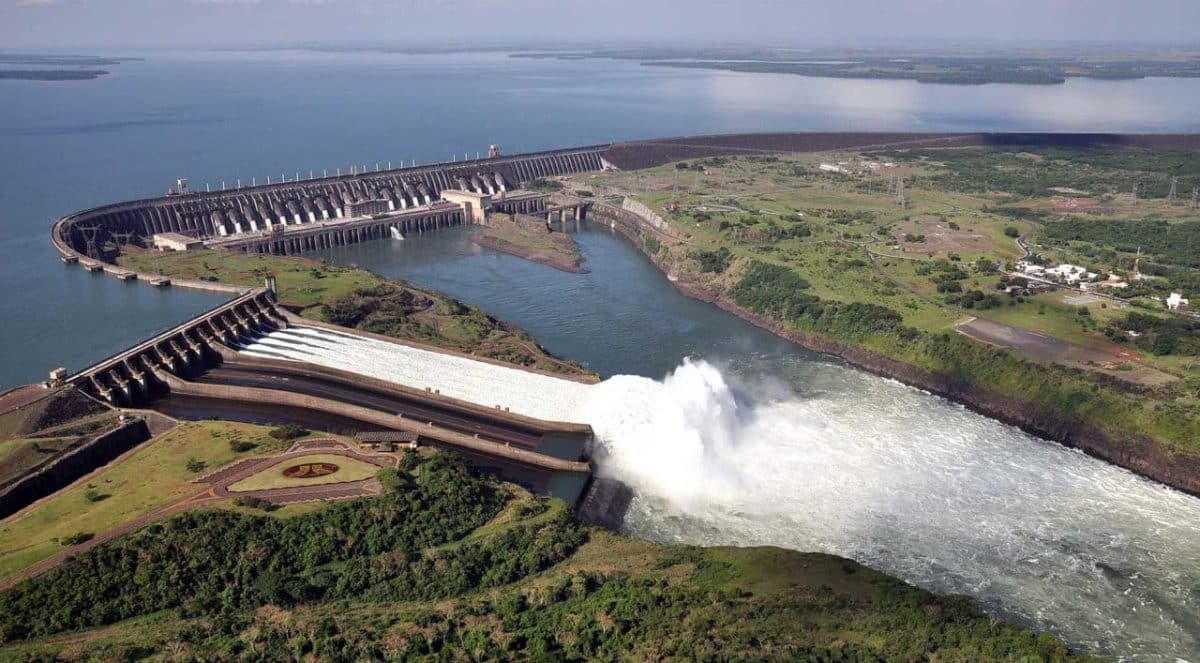
The Itaipu Dam is a symbol of international cooperation between Brazil and Paraguay. Built in 1984 on the Paraná River, it is equipped with 20 high-capacity turbines.
The Itaipu reservoir, covering 1,350 square kilometers, remains vital for the energy systems of both countries. Paraguay receives up to 87% of its electricity from Itaipu, making the dam a cornerstone of its national infrastructure.
4. Xiluodu Dam (China) – 13,860 megawatts.
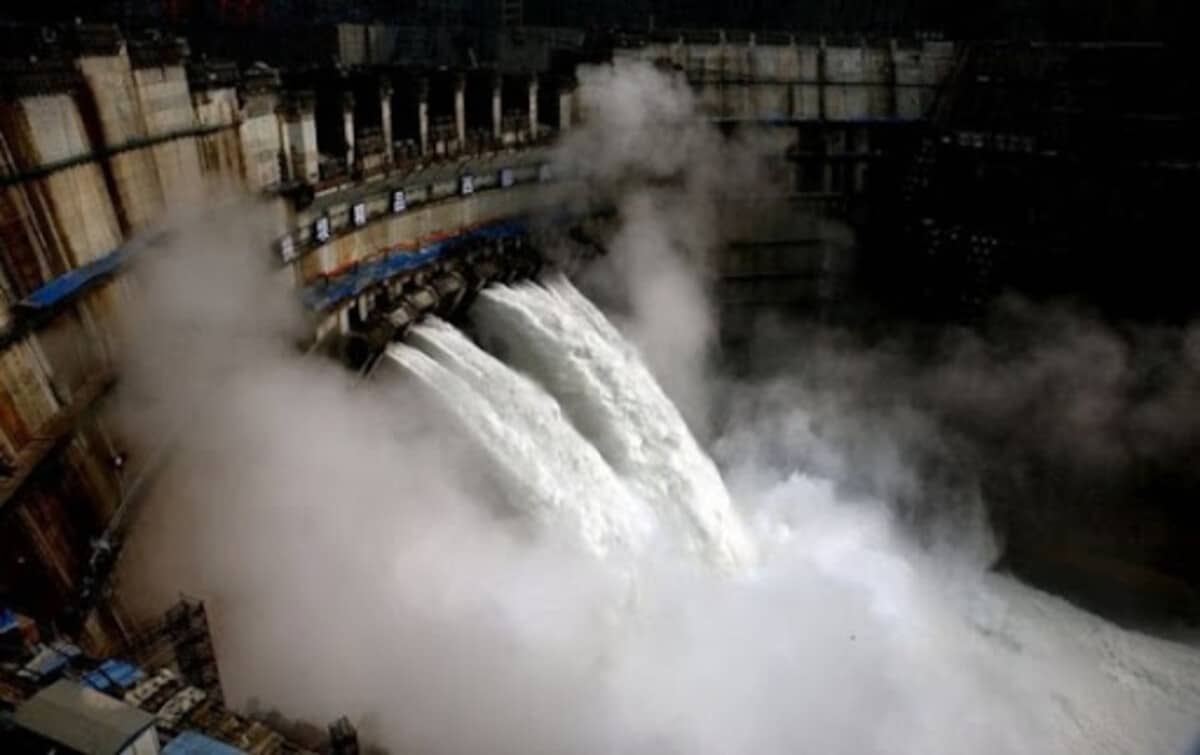
Located on the Jinsha River, the Xiluodu Dam is one of the largest and tallest arch dams in the world. Its construction began in 2005 and was completed in 2013; the structure reaches a height of 285.5 meters, making it one of China's key power stations.
The reservoir, with a capacity of 12.67 billion cubic meters, provides effective flood control and helps reduce sediment accumulation affecting the downstream Three Gorges Dam.
5. Belo Monte Dam (Brazil) – 11,200 megawatts.
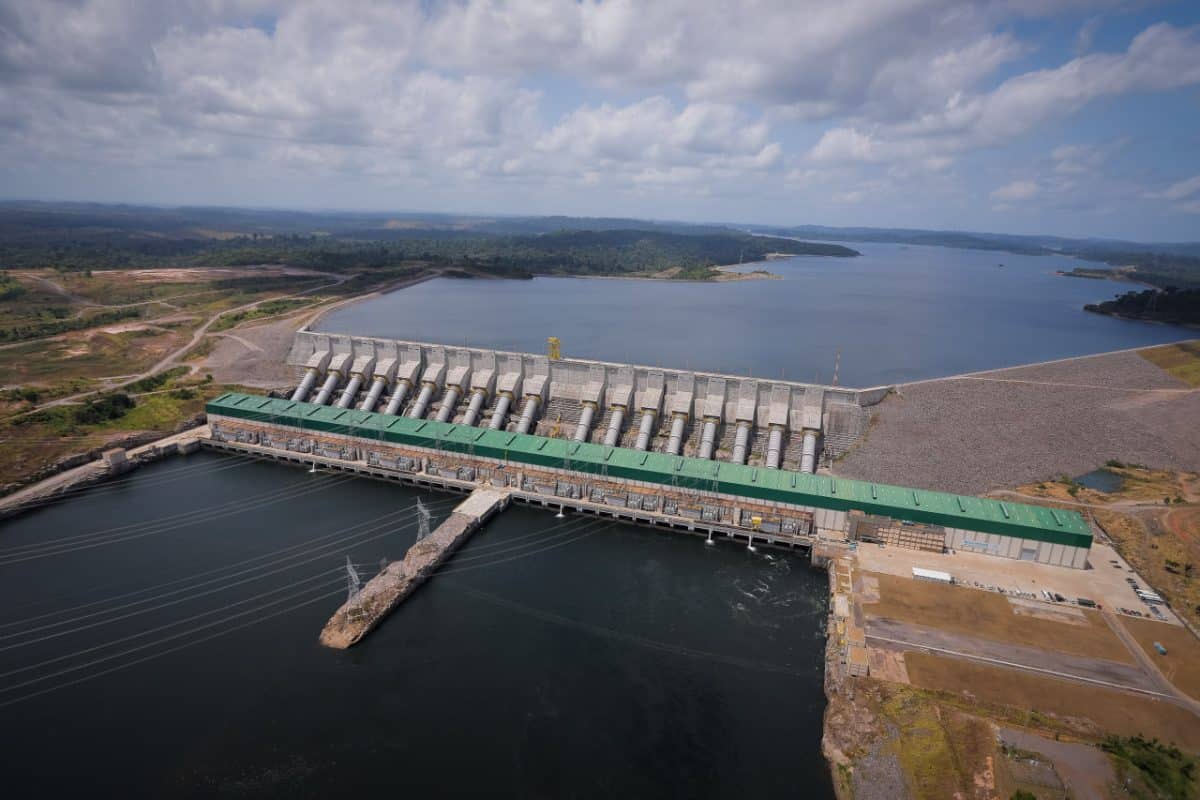
The Belo Monte Dam on the Xingu River in the Brazilian state of Pará utilizes an innovative design with 24 turbine units. Construction began in March 2011 and was completed in 2019.
As Brazil's largest power station, Belo Monte generates enough renewable energy to supply approximately 60 million people, covering about 10% of the country's total demand.
Together, these five dams vividly demonstrate humanity's ability to harness natural water resources on an unprecedented scale, providing renewable energy, vital flood control, and water management infrastructure that serves hundreds of millions of people worldwide.















Leave a comment