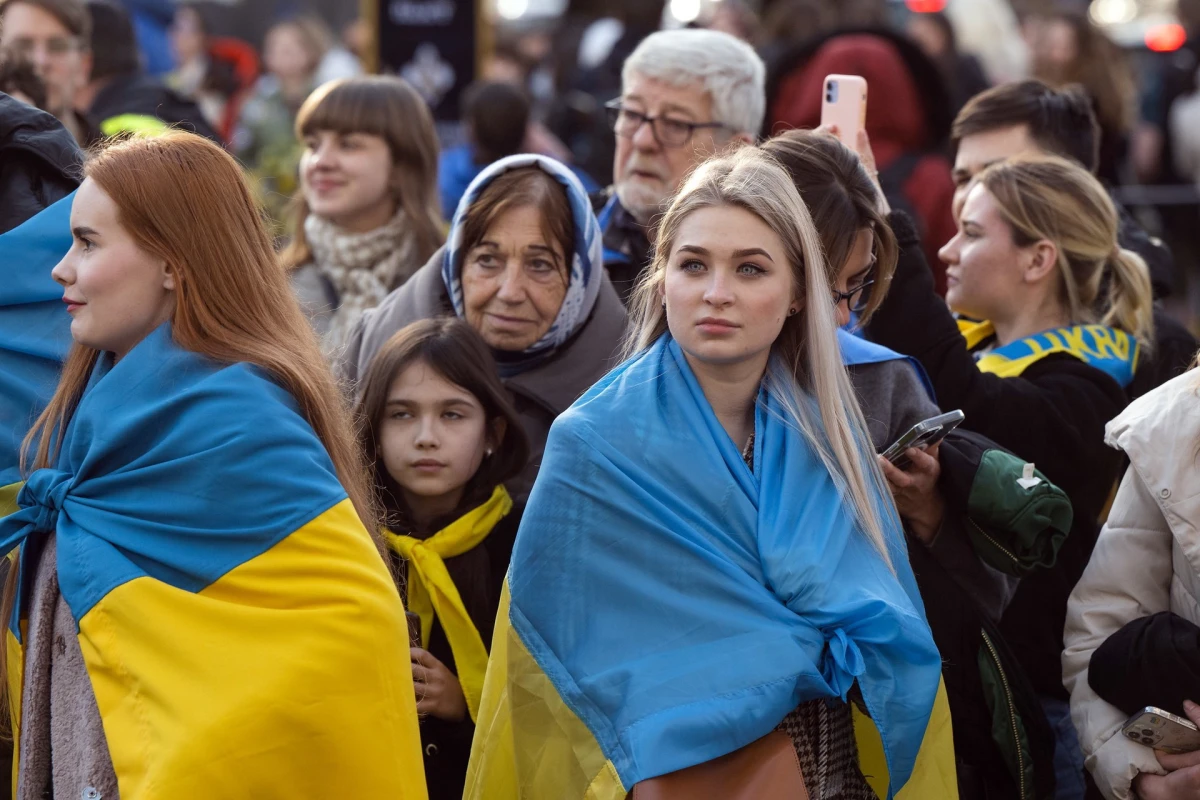
The European Commission has begun preparing proposals regarding the future status of Ukrainian refugees after March 2027, when the temporary protection regime in the EU will expire. Brussels emphasizes that support for Ukraine remains unchanged, although the format of this support may change.
The European Commission is preparing proposals for the further protection of Ukrainian refugees after March 2027. This is when the temporary protection regime, introduced by the European Union shortly after the start of Russia's full-scale invasion of Ukraine, will expire.
Temporary protection was activated in March 2022 and was initially introduced for one year. However, it has since been extended multiple times. The latest decision provides for the mechanism to remain in effect until March 2027.
According to Politico, the future fate of Ukrainian refugees was discussed at a recent meeting of EU interior ministers in Luxembourg.
"Now the Commission will prepare a proposal for the protection of refugees from Ukraine starting in March 2027 (when the current regime expires). The EU Council will then make a decision based on this proposal," said European Commission spokesperson Eleonora di Massa.
The European Commission emphasized that support for Ukraine remains unwavering, and any new initiatives will be aimed at assisting Ukrainian citizens and Ukraine itself.
According to Eurostat, more than 4 million Ukrainian citizens currently hold temporary protection status in European Union countries. The largest number of refugees have been accepted by Germany, Poland, the Czech Republic, and Spain.
At the same time, the EU is already discussing possible courses of action after the current protection regime ends. This could involve either the creation of a new pan-European mechanism or the transfer of Ukrainians to the national migration programs of individual states.
Meanwhile, the European Commission assures that any potential changes will not affect the rights of those who have already obtained temporary protection status. Separate discussions are focused on the conditions for the entry of new applicants after 2027.
Amid the protracted war, some Ukrainians are considering the possibility of returning home, while others continue to build their lives in EU countries. Experts note that decisions are influenced by security prospects in Ukraine, the labor market situation, the level of social support, and the degree of integration in host countries.
A final decision on what the legal status of Ukrainian refugees will be after March 2027 has not yet been made. However, it is already clear that the European Union is preparing for a new phase of migration policy that must take into account both the interests of millions of Ukrainians and the changed realities of the prolonged conflict.