
The pastor slept very little, sometimes even less than 3-4 hours.
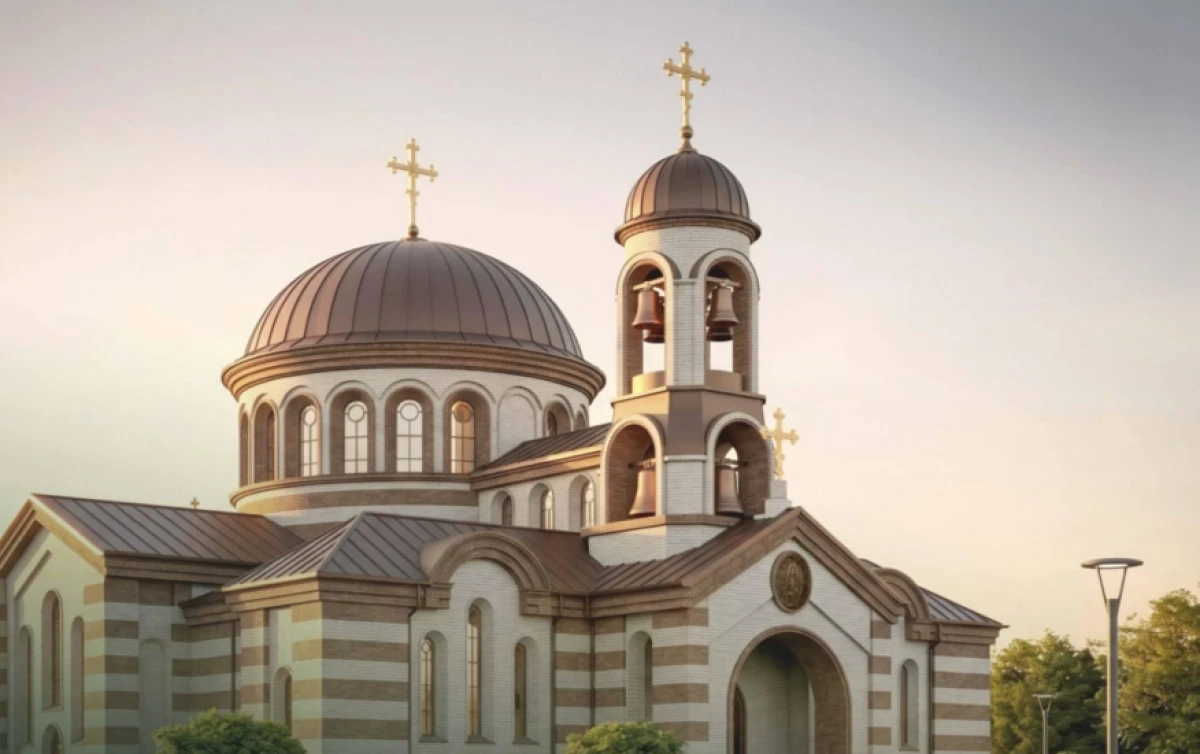
A cornerstone has been laid on the banks of the Karpovka River in St. Petersburg for the future church of the righteous Saint John of Kronstadt.
On the feast day of the righteous Saint John of Kronstadt, a solemn service was held in St. Petersburg, conducted by His Holiness Patriarch Kirill of Moscow and all Rus.
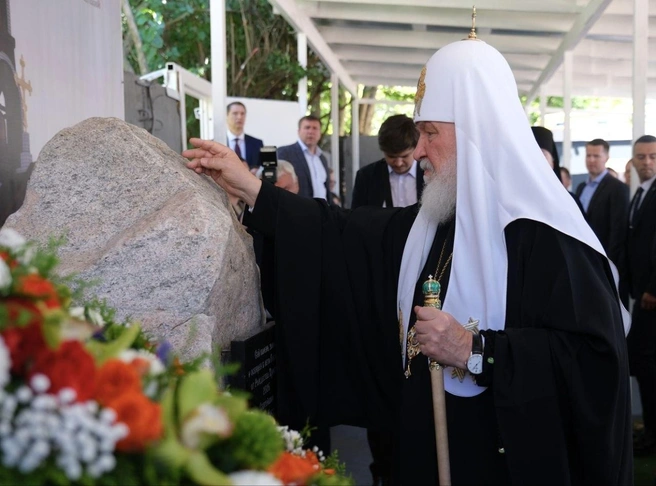
On the same day, the patriarch participated in the ceremony of laying the first stone for the new church of the righteous Saint John of Kronstadt at the John the Baptist Stavropegic Convent.
John of Kronstadt (real name — John Ilyich Sergiev; October 19 (31), 1829, the village of Sura, Pinezhsky District, Arkhangelsk Province — December 20, 1908 (January 2, 1909), Kronstadt, St. Petersburg Province) was a priest of the Russian Orthodox Church, a mitred archpriest; long-time rector of the Andrew Cathedral in Kronstadt; a member of the Holy Governing Synod since 1906 (he avoided participation in meetings); a preacher, spiritual writer, and public-political figure with right-conservative and monarchist views.
"The inspirer of the creation and honorary member" of the Union of the Russian People. Honorary member of the Imperial Orthodox Palestine Society. His name day is celebrated on October 19 (Julian calendar) — the transfer of the relics of John of Rila. He was perceived ambiguously by his contemporaries: deeply revered by Orthodox believers in Russia, primarily by representatives of the "common people," he evoked some distrust in aristocratic and bureaucratic circles.
Lifestyle
He would rise around four in the morning, and after the service at the Kronstadt cathedral, which ended around noon, he would visit local residents and visitors to Kronstadt who had invited him for one reason or another. Usually, these were requests for prayer at the bedside of the sick. He would then head to St. Petersburg. In summer, he traveled by steamboat to Oranienbaum, and in winter, he went by sleigh over the ice. In St. Petersburg, he also visited people who requested his presence, as well as public events and celebrations, such as factory openings. Late in the evening, often after midnight, Father John would return home to Kronstadt. During Great Lent, he canceled his daily trips to St. Petersburg, but after visiting apartments in Kronstadt, he would hear confessions at the Andrew Cathedral.
Since there were many who wished to confess to him, the confessions were very lengthy and often lasted from one or two in the afternoon until two in the morning, and sometimes Father John would hear confessions until the morning service. Exhausted by eleven in the evening, he would interrupt the confessions for half an hour to take a carriage ride in the fresh air to regain his strength, after which he would return to the cathedral and continue hearing confessions. Often during the day, he had no opportunity to properly nourish himself. He had no personal time. He slept very little, sometimes even less than 3-4 hours. He lived in this mode daily for several decades.
Father John of Kronstadt was of average height, with sudden and sharp movements, very vigorous for his age, and looked unusually young for his years, "his face radiated the usual friendly smile."
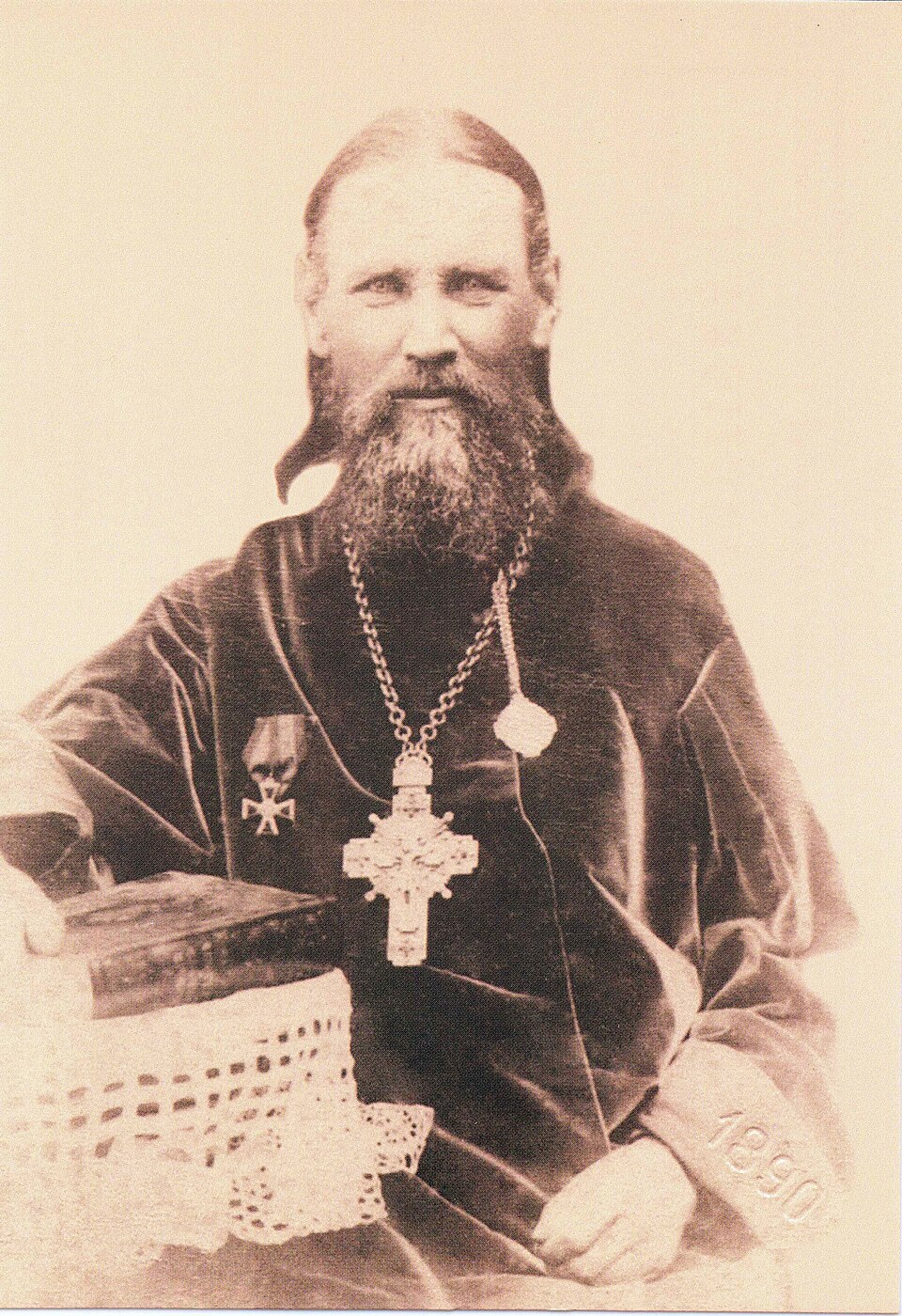
According to his admirers and hagiographers, "the very appearance of Father John was special, somehow charming, involuntarily winning the hearts of all: in his eyes reflected the sky, in his face — compassion for people, in his demeanor — a desire to help everyone."









Leave a comment