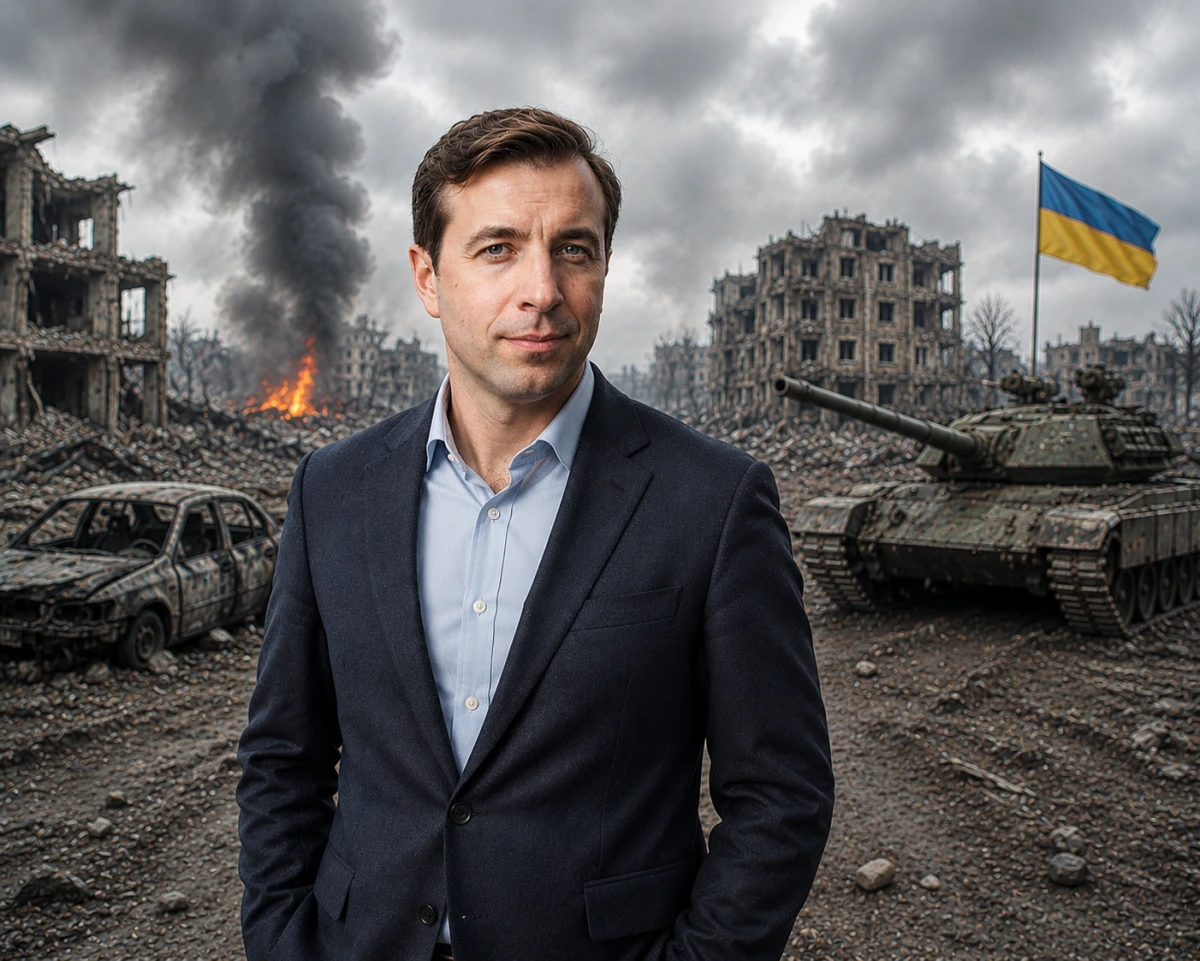
Despite statements about the possible pivotal significance of the coming months, the war in Ukraine is unlikely to end in the summer of 2026. This forecast was voiced by futurist and Doctor of Economic Sciences Andriy Dligach, who analyzed military, economic, and geopolitical factors.
Ukrainian President Volodymyr Zelensky's statement that June and July 2026 could be decisive months has sparked active discussion on social media. Many users saw in these words a hint at a possible end to the war or, at the very least, significant changes on the front.
However, futurist and Doctor of Economic Sciences Andriy Dligach believes it is premature to speak of an imminent end to the war, TSN reports.
According to him, research shows that during periods of serious trials, the resilience of a state is influenced not only by the economy but also by public optimism.
"The war will not end in the summer of 2026, and this should not leave us in a state of confusion. Our research has shown that national optimism helps states navigate through severe crises more effectively than many economic tools," the expert noted.
What is Happening with Russia's Military Potential
Dligach states that the situation on the battlefield remains contradictory.
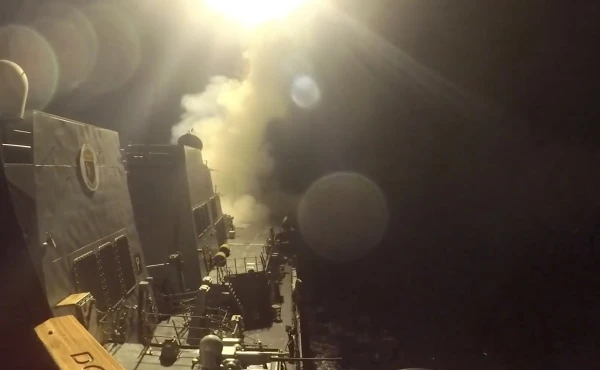
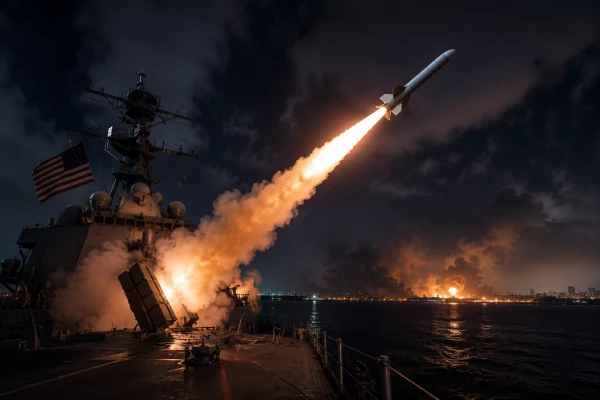
On one hand, Russia continues to maintain its stockpiles of missile weaponry, while the effectiveness of Ukrainian air defense is gradually increasing. This is especially true regarding the interception of various types of missiles.
At the same time, ballistic missiles remain one of the few areas where Russia retains a relative advantage. However, the production of such weapons is costly, and the capacity for scaling up is limited.
The expert also points to Ukraine's strikes on the enemy's logistical infrastructure.
He states that a significant portion of the vehicles used to supply Russian troops in the southern direction has been destroyed. This severely complicates logistics and increases the cost of military operations.
Furthermore, serious problems, according to Dligach, are accumulating in the Russian economy.
He notes that the federal budget deficit continues to grow, and the possibilities for attracting additional financial resources are limited.
Why Moscow May Choose the Path of Escalation
At first glance, it may seem that Russia would benefit from seeking ways to end the war. However, the expert believes that the logic of political decisions does not always align with economic logic.
In his opinion, the Kremlin may choose to escalate the conflict further.
Dligach suggests that Russia may attempt to expand the geography of confrontation, increase pressure on the Baltic states or Poland, or use other forms of hybrid influence.
"Russia is unlikely to agree to a quiet end to the war and the preservation of the status quo. It is more likely that it will seek to shift the confrontation into political, economic, or terrorist dimensions," the expert believes.
At the same time, he considers the scenario of using nuclear weapons to be unlikely.
According to the futurist, such an option does not provide Russia with strategic advantages and carries too high risks for it.
Is a Pause in the War Possible?
Dligach maintains his previous forecast that a temporary pause in active hostilities may occur in the foreseeable future.
However, in his opinion, this will not mean a final peace.
The expert believes that after a possible respite, Russia may attempt to restore its forces and prepare for a new phase of confrontation.
To avoid such a scenario, Ukraine, in Dligach's view, must continue to build its own military potential and weaken the capabilities of the Russian military-industrial complex.
He asserts that the strategic task remains to inflict such losses on the Russian defense industry that cannot be quickly compensated even if active hostilities cease.
Which Scenario Looks Most Likely
According to the futurist, the most realistic option remains the continuation of the war in its current form, although the intensity of certain types of attacks may gradually decrease.
He considers scenarios of a quick peace agreement, a personal meeting between Volodymyr Zelensky and Vladimir Putin, or the freezing of the conflict as unlikely by 2026.
At the same time, the expert allows that in the future, the parties may find themselves in a situation that game theory calls "Nash equilibrium" — a state in which continuing the conflict becomes too costly, and exiting it without concessions proves disadvantageous for each side.
In Andriy Dligach's opinion, the coming months may indeed be important for the development of events, but it is too early to speak of the war ending this summer. He considers the more likely scenario to be the continuation of the confrontation, a possible temporary pause, and further struggle for strategic advantage both on the battlefield and in the economic sphere.