In 2025, one in five detainees in Ukraine on charges of collaborating with Russia turned out to be minors. According to Ukrainian intelligence agencies, teenagers are increasingly being drawn into espionage and sabotage activities through social networks, messengers, and online games.
Minors are increasingly becoming subjects of cases related to collaboration with Russia in Ukraine. According to Ukrainian intelligence agencies, last year teenagers accounted for 21% of all those detained on such charges.
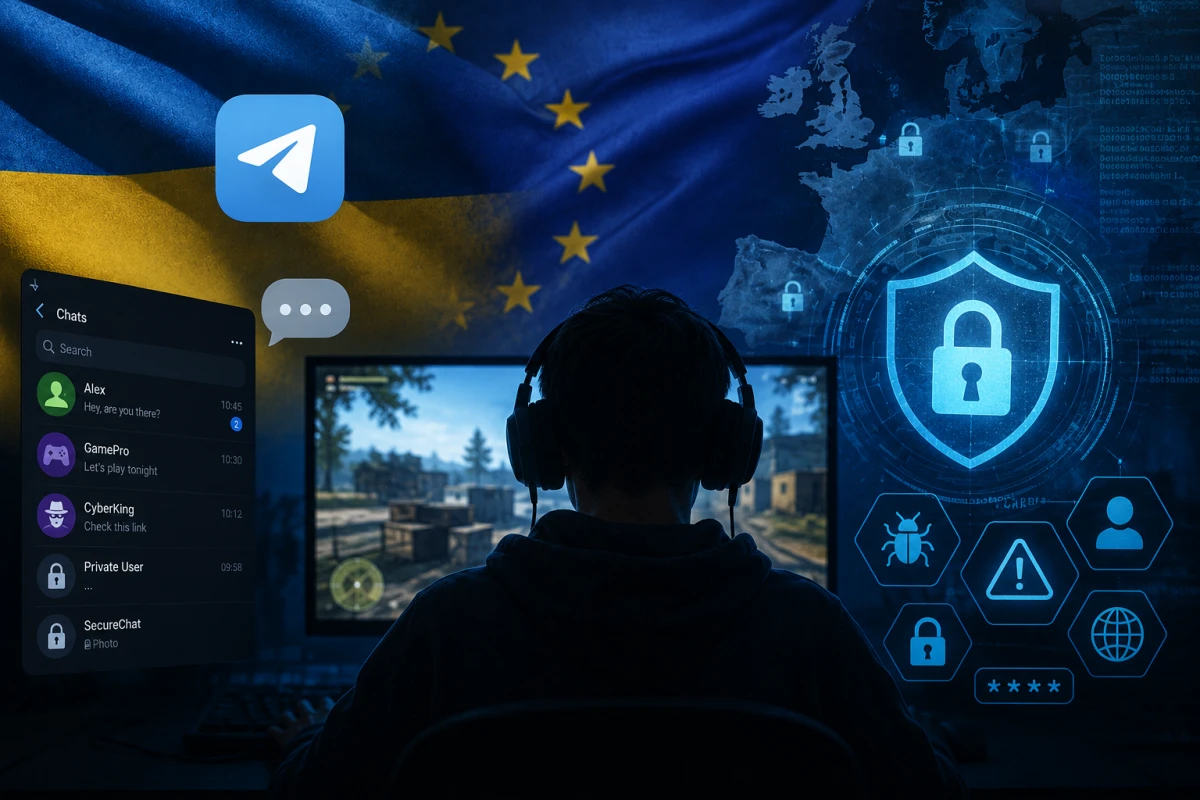
As reported by the Financial Times, the recruitment of young people primarily occurs through popular online platforms, including Telegram, TikTok, Discord, Facebook, and online games. Cryptocurrency is often offered as a reward for completing tasks.
According to Ukrainian intelligence agencies, initially, minors are assigned relatively simple tasks—gathering information, posting flyers, or committing arson. However, over time, the tasks become more serious and may include surveillance of military facilities, transmitting coordinates, or participating in sabotage activities.
The publication cites the example of two groups of teenagers aged 15–16 who were detained in the Kharkiv region. According to the investigation, they photographed positions of the Ukrainian air defense, having received assignments online under the guise of participating in a gaming "quest." Later, this information was allegedly used to strike the city.
According to representatives of Ukrainian intelligence agencies, the youngest child who was attempted to be involved in such activities was only 11 years old.
What is important to understand is that this is not only about Ukraine. According to FT, European intelligence agencies are increasingly recording attempts to involve teenagers in espionage, sabotage, or other illegal activities through digital platforms.
The publication notes that a similar trend is observed not only in Ukraine but also in several countries of the European Union. In particular, law enforcement agencies in Poland, the Baltic states, the Netherlands, and the United Kingdom report similar risks.
Europol also considers the involvement of minors in such operations as one of the new security threats. There is particular concern that recruiters are using the digital environment familiar to young people—social networks, messengers, and gaming platforms.
Against this backdrop, discussions continue in Europe about countering foreign influence operations and strengthening security measures. In Germany, Ireland, and other countries, politicians and intelligence representatives are increasingly raising issues related to the activities of foreign intelligence services and the possible use of criminal structures to achieve political goals.
The Financial Times publication indicates that the problem of involving minors in such activities is ceasing to be a localized phenomenon and is increasingly viewed as a pan-European challenge.