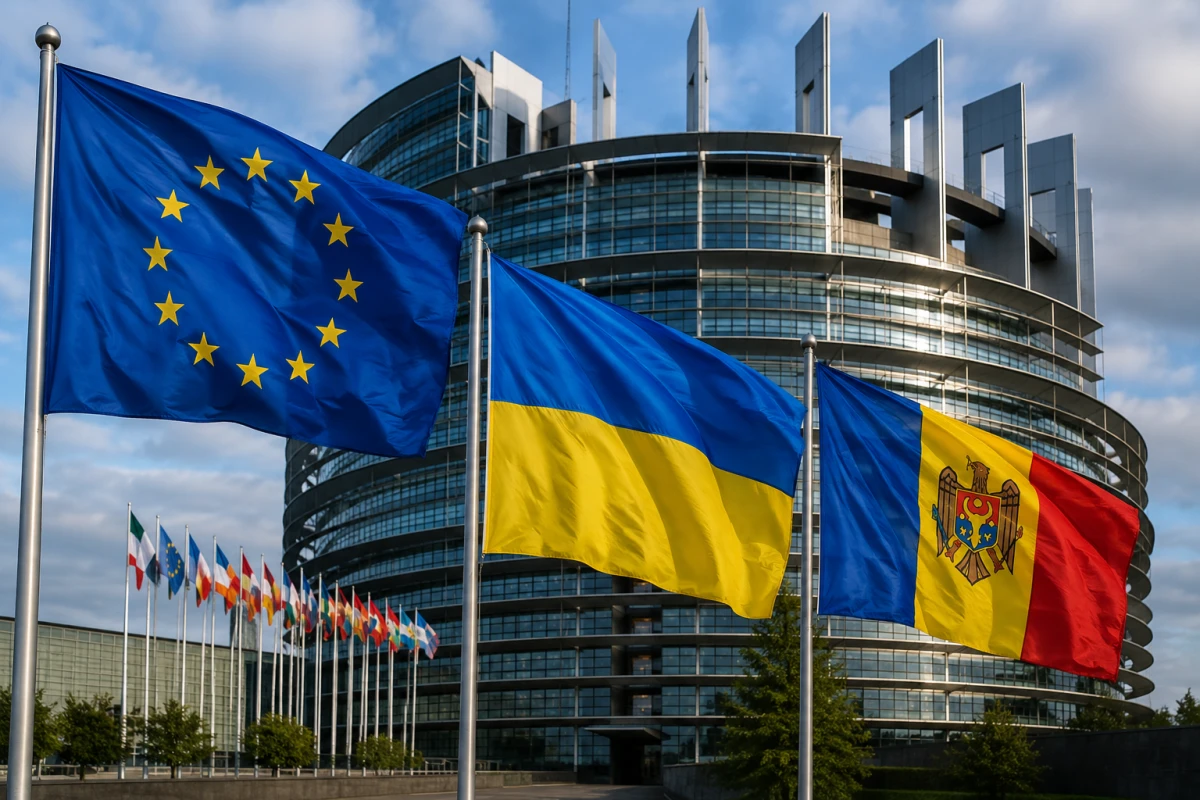
The European Union is ready to begin the first full stage of negotiations for Ukraine and Moldova's accession after Hungary agreed to lift its months-long blockade of the process. In Brussels, this is seen as an important step towards further EU enlargement.
The process of Ukraine and Moldova's accession to the European Union has gained new momentum following Hungary's change of position. The rotating presidency of the EU, Cyprus, announced that member states will be able to begin opening the first negotiation chapter for both candidate countries.
In Brussels, this decision is seen as an important political signal demonstrating the unity of the European Union on the issue of further enlargement.
Although official accession negotiations for Ukraine and Moldova started back in the summer of 2024, their practical progress had long been stalled. The main obstacle was the position of the Hungarian government led by Viktor Orbán, which refused to agree to the opening of specific negotiation chapters.
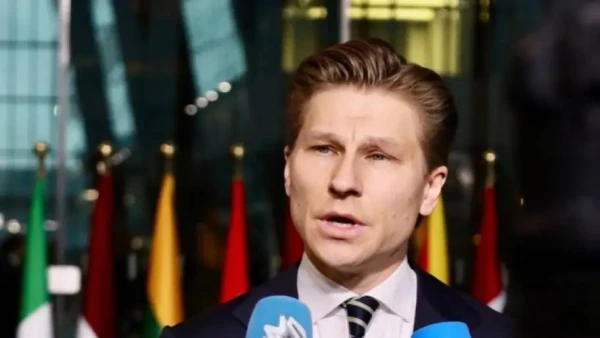
The situation changed after a change of power in Budapest. The new Prime Minister of Hungary, Péter Madár, stated that Budapest is ready to unblock the process after reaching agreements with Kyiv regarding the rights of the Hungarian minority in Ukraine. According to Madár, the Ukrainian side made the necessary changes to the action plan concerning national minorities, which allowed for a compromise.
After this, Hungary signaled to its EU partners that it no longer intends to hinder the opening of the first negotiation chapter.
What does this mean in practice? There is no talk yet of Ukraine or Moldova's imminent accession to the European Union. Membership negotiations consist of 33 separate chapters covering legislation, the economy, the judiciary, anti-corruption efforts, agriculture, and many other areas. The process usually takes many years.
Madár himself emphasized that Hungary does not support expedited accession for Ukraine and believes that meeting all requirements could take 10 to 15 years.
Nevertheless, the European Commission welcomed Budapest's decision. EU Commissioner for Enlargement, Olivér Várhelyi, stated that the progress made opens the way for further advancement of Ukraine and Moldova in the European direction.
For Moldova, the decision is particularly important as its negotiation process was effectively tied to Ukraine's. While Hungary blocked Kyiv, Chisinau's progress was also hindered.
Thus, after several months of uncertainty, the European Union has the opportunity to move from symbolic decisions to a real negotiation process with the two candidate countries.