It cannot be called work, but it is not pure volunteering either.
Many young people want to move to Germany but do not know where to start. The FSJ program is one option that few have heard of. Let’s break down what it is and who can participate.
How a foreigner can legally move to Germany at the age of 16–27
FSJ stands for Freiwilliges Soziales Jahr — voluntary social year. Simply put, it is Germany's version of a 'gap year' between studies and adult life, but with a benefit to society. Participants work in hospitals, nursing homes, schools, or cultural institutions — all within the framework of a state program with official support.
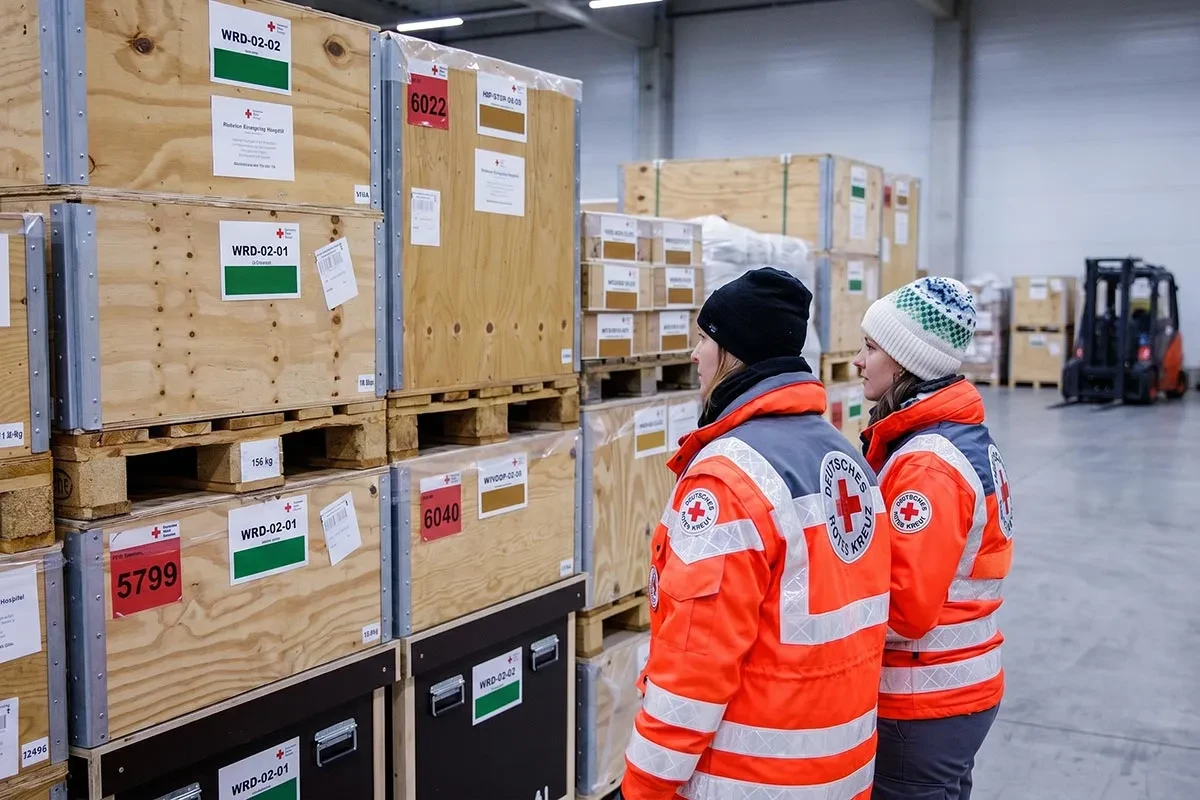
Currently, the program is receiving a lot of attention: the president of the German Red Cross, Hermann Gröhe, is actively advocating for a significant increase in its funding, and the topic has become a focus of national media. Participants work in social organizations for six to 18 months, but most often for exactly one year.
It cannot be called work, but it is not pure volunteering either. Participants receive a small stipend — about 400 euros a month. Many organizations additionally provide housing, meals, and social insurance.
Every year, around 50,000 people go through the program. It has been in existence since 1964 and has long been a proven way for German youth to understand whether a career in medicine, social work, or education is suitable for them — before making a serious choice.
Recently, the president of the German Red Cross, Hermann Gröhe, proposed to significantly raise the stipend — from the current 400 to 990 euros a month. This amount corresponds to the maximum amount of the BAföG student stipend plus the cost of a public transport pass for the entire country.
The logic is simple: social organizations are finding it increasingly difficult to find volunteers, and the current 400 euros makes participation in the program inaccessible for young people from less affluent families. "Not all young people can afford to serve society for pocket money of 400 euros," said Gröhe. For comparison, he cited military service — where they pay 2,600 euros a month.
The starting point is the same for everyone: you need to find a place through an accredited organization — in German, Träger. This organization will conclude a participation agreement with you. The largest of them are the German Red Cross, Caritas, and the Order of Malta. Available positions can be searched on the websites Bundesfreiwilligendienst.de or Arbeitsagentur.de.
EU citizens can apply directly through Träger — a residence permit is not needed. The requirements include basic German: level A2 is usually sufficient, although for working with children or vulnerable adults, B1 may be requested. Please clarify the exact requirements with the specific organization.
<iframe width="560" height="315" src="https://www.youtube.com/embed/pipWkdNQP-c?si=-RfxSm3ZsSBOppuB" title="YouTube video player" frameborder="0" allow="accelerometer; autoplay; clipboard-write; encrypted-media; gyroscope; picture-in-picture; web-share" referrerpolicy="strict-origin-when-cross-origin" allowfullscreen></iframe>