Oil prices fell on Tuesday following Donald Trump's announcement that he is canceling the planned military strike on Iran.
The global benchmark Brent fell by 1.33% to $110.61 per barrel, while futures for American oil WTI (West Texas Intermediate) decreased by 0.91% to $103.43 per barrel as investors processed Donald Trump's latest statements.
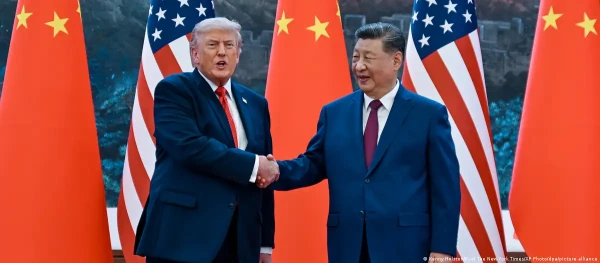
The U.S. President announced that he is postponing the planned strike on Iran scheduled for Tuesday at the request of leaders from Gulf countries amid "serious negotiations" with Tehran, which somewhat eased market participants' concerns about oil supplies.
Trump Cancels Attack on Iran Scheduled for Tuesday
Trump's unexpected statement on social media on Monday followed Iran's announcement that it had responded to a new U.S. proposal aimed at ending the war.
"Oil Stocks Are Rapidly Decreasing"
This update followed a statement from the head of the International Energy Agency (IEA), Fatih Birol, who told reporters on Monday at the G7 finance ministers' meeting in Paris that commercial oil stocks are rapidly decreasing and that with the Strait of Hormuz closed, the world has only a few weeks of oil reserves left.
According to preliminary data from the IEA, global oil stocks fell by 129 million barrels in March and by another 117 million barrels in April following U.S. and Israeli strikes on Iran and subsequent export disruptions from Gulf countries.
The most significant decline was recorded in OECD countries, where onshore stocks decreased by 146 million barrels. Visible stocks in non-OECD economies fell by 24 million barrels.
According to the agency, total losses in crude oil supplies from producers in the Gulf region have already exceeded 1 billion barrels: more than 14 million barrels per day cannot leave the region.
The IEA believes that demand may begin to recover later this year if an agreement is reached for a phased resumption of supplies through the Strait of Hormuz, starting in the third quarter.
"Given that global oil stocks are already being depleted at record rates, further price volatility seems quite likely in the lead-up to the peak summer demand season," the IEA added in its recent report.