
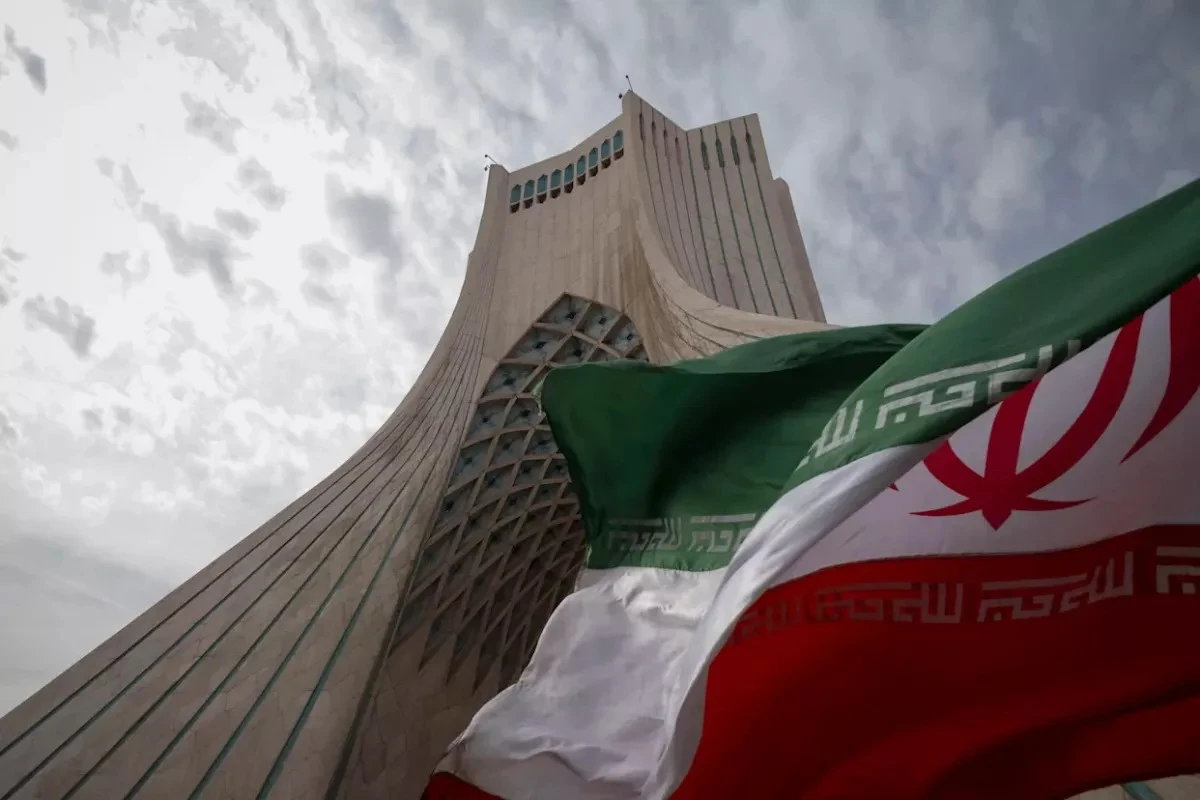
The USA and Iran have set lists of tough demands for each other, without fulfilling which the parties refuse to return to full negotiations. Against the backdrop of an ongoing truce, the situation in the Middle East remains tense.
The USA and Iran have set tough conditions for each other, without which they are not ready to sit down at the negotiating table. Each side demands five specific steps from the other — from the transfer of uranium to the cessation of hostilities. While diplomats are trying to find common ground, Iranian TV hosts are going on air with weapons.
The USA and Iran Have Set Conditions for Each Other
Iran has put forward five conditions without which it will not sit down at the negotiating table. In response, Washington has also named five of its own demands. The Iranian agency Fars reports on the US position.
What the USA demands from Iran:
• do not expect compensation or reimbursement from America;
• transfer 400 kg of Iranian uranium to the USA;
• keep only one nuclear facility operational;
• do not unfreeze Iranian assets — not even by a quarter;
• cease hostilities on all fronts only during the negotiations themselves.
At the same time, as the agency notes, even if Iran fulfills these points, the threat of aggression from the USA and Israel will remain.
Earlier, Tehran named its five conditions for resuming dialogue:
• cessation of war on all fronts, especially in Lebanon;
• lifting anti-Iranian sanctions;
• unfreezing Iranian funds;
• compensation for damage from hostilities;
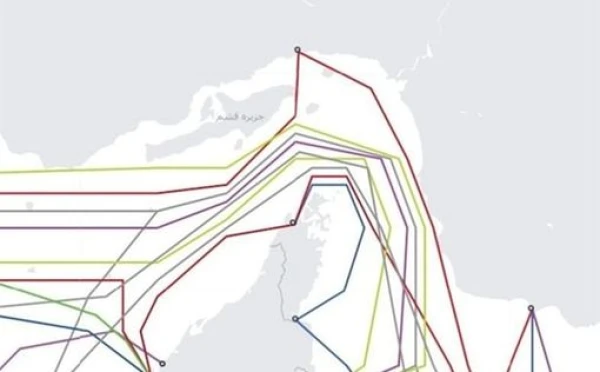
• recognition of Iran's sovereignty over the Strait of Hormuz.
Tehran emphasized that these points are necessary to create minimal trust for returning to negotiations. Without their fulfillment, in Iran's opinion, a new round is impossible.
In early May, Iran sent the USA its 14-point peace plan. It insisted on the cessation of hostilities, guarantees of non-aggression, lifting the maritime blockade, unfreezing assets, and withdrawing American troops. Tehran proposed to resolve key issues within 30 days and focused on "ending the war," rather than extending the truce.
The main disagreements, according to Western press reports, concern the nuclear program: the USA wants Iran to commit in advance regarding its nuclear infrastructure and uranium stocks, while Tehran proposes to discuss this separately — during special 30-day negotiations.
US President Donald Trump has already called Iran's proposals unacceptable. In response, Tehran stated that the reaction of the "so-called President of the USA" is "of no significance" to them.
Currently, there is a truce between the parties, signed in early April and extended by the American leader indefinitely. Despite this, in early May, the sides exchanged strikes.
A Fire Occurred at the Nuclear Power Plant in the Emirates Due to a Drone Strike
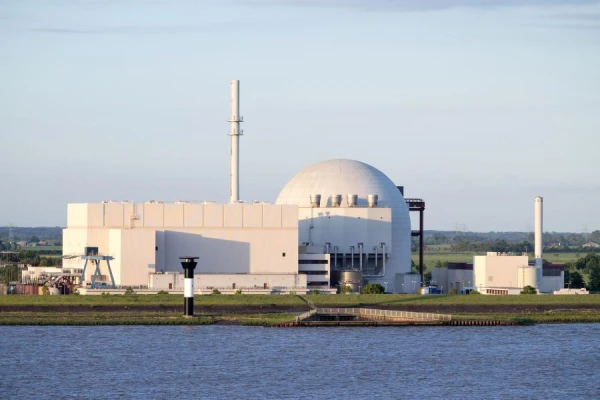
In the west of the United Arab Emirates, near the Barakah nuclear power plant, a fire broke out following a drone attack. Abu Dhabi authorities have already stated that there is no radiation danger.
According to the Abu Dhabi Emergency Center, the fire broke out in a generator located outside the station's outer perimeter. No one was injured. The incident did not affect radiation safety in any way.
Despite the formal truce, relations between Washington and Tehran remain extremely far from resolution. The main sticking point continues to be Iran's nuclear program, and mutual ultimatums only increase the risk of a new escalation in the region.








Leave a comment