The United States has intensified pressure on Lithuania, seeking permission to use the Klaipeda port for the export of Belarusian potash fertilizers, writes DW. This was stated by Lithuania's Foreign Minister Kęstutis Budrys.
The United States is pressuring Lithuania to allow Belarus to use the port of Klaipeda for the export of potash fertilizers that are subject to European Union sanctions. This was stated on Thursday, May 14, by Lithuania's Foreign Minister Kęstutis Budrys, as reported by Reuters.
Budrys said that he had previously denied the existence of such pressure, but now "there has been additional activity from the United States."
At the same time, the Lithuanian diplomat emphasized that Vilnius supports the EU sanctions against Belarusian potash and does not intend to discuss the resumption of its transit through Lithuanian territory until these restrictions are lifted by Brussels.
Lithuanian Sanctions Hit Belarusian Potash the Hardest
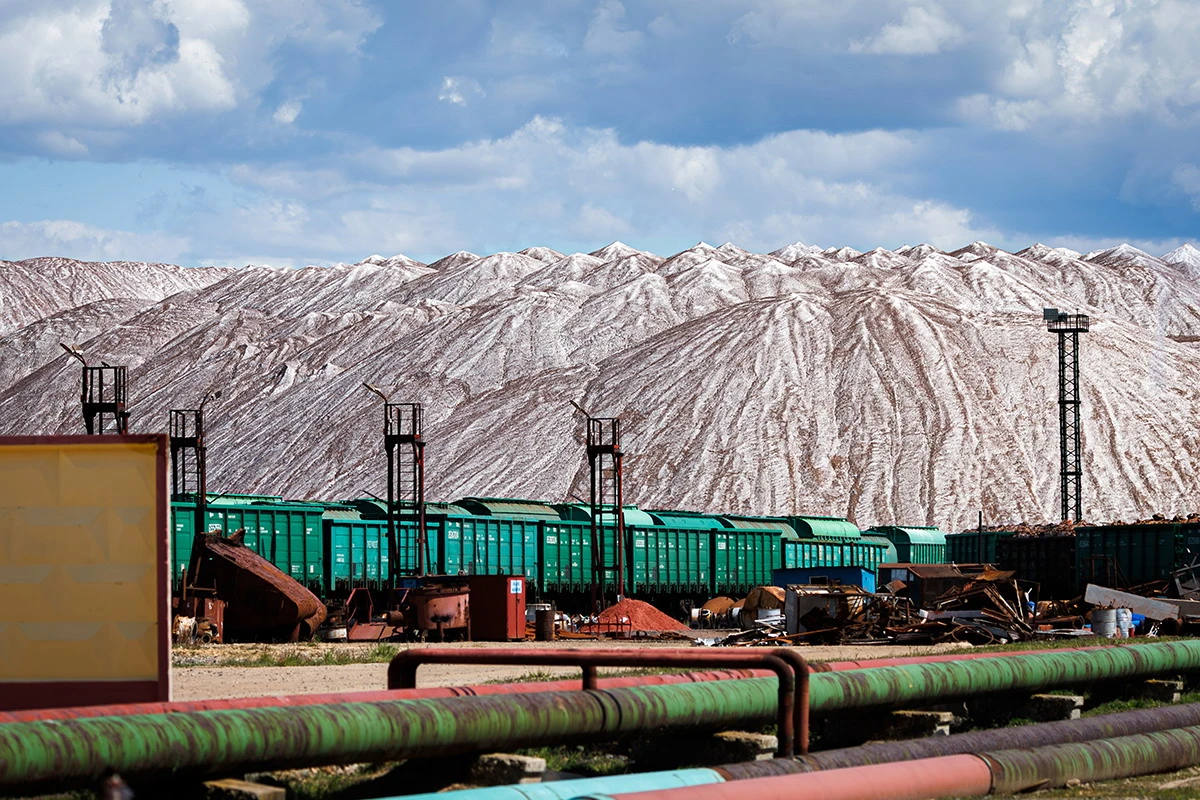
Potash is one of Belarus's most important export goods. A few years ago, the country held leading positions in its supply to the global market. Most of these supplies went through the port of Klaipeda; however, in January 2022, Vilnius terminated the contract for the transportation of Belarusian potash by Lithuanian railways, explaining this by a contradiction to Lithuania's national security interests.
After the start of Russia's full-scale war against Ukraine, the European Union and the United States imposed sanctions against Belarusian potash. However, according to experts, these restrictions have not impacted the export of potash fertilizers from Belarus as severely as the cessation of transit through the Klaipeda port.
The United States Lifted Sanctions on Belarusian Potash in December
In December 2025, the Donald Trump administration lifted Washington's sanctions on Belarusian potash in exchange for the release of 123 political prisoners by Alexander Lukashenko's regime. Economists estimate that the lifting of U.S. restrictions could allow the company "Belaruskali" to earn between $100 million and $500 million per year.
In the editorial's opinion, the situation surrounding Belarusian potash demonstrates how closely intertwined the economy, sanctions policy, and geopolitics are today. For Lithuania, the issue of transit through Klaipeda remains not only commercial but also political, while the United States appears to be increasingly seeking ways to ease certain restrictions for its own strategic interests.