The PACE delegation following its visit to Yerevan reported on the hybrid methods used by Russia to shape public opinion and maintain geopolitical influence in Armenia ahead of the parliamentary elections in June.
The freedom of the parliamentary elections scheduled for June in Armenia is under threat, warned the Council of Europe. Foreign interference in the electoral campaign is taking on an "increasingly complex and systematic nature" and affects the political and informational environment of Armenia, stated the delegation of the Parliamentary Assembly of the Council of Europe (PACE) following its visit to Yerevan on May 11-12.
According to their information, interference in the upcoming elections is not limited to disinformation methods and includes illegal political financing, cyberattacks, economic coercion, and direct attempts to manipulate the electoral process.
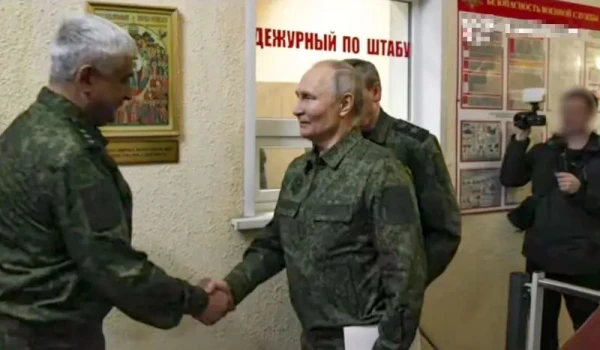
The PACE delegation reported, among other things, on the hybrid methods used by Russia to shape favorable public opinion and maintain its geopolitical influence in Armenia. In particular, they pointed to direct appeals from Russian President Vladimir Putin to Armenian Prime Minister Nikol Pashinyan urging him to facilitate the voting of the Armenian diaspora in Russia.
Pressure on Human Rights Defenders and Journalists
In addition, European lawmakers expressed concern over the targeted discrediting of human rights defenders, journalists, and civil society representatives as "foreign agents," as well as the growing legal pressure on them, including lawsuits.
They also noted the "unprecedented interference" of the Armenian Apostolic Church, which opposes the government's policies in Yerevan and advocates for closer ties with Russia.
Armenia should strengthen measures to combat foreign influence
"The delegation welcomes Armenia's legal and regulatory framework to counter undue influence. However, existing mechanisms need to be strengthened to combat veiled, coordinated, and transnational threats," the statement noted. At the same time, it is necessary to enhance protective measures against foreign interference and ensure equal conditions for all candidates.
Among other things, "there is an urgent need to strengthen institutional capacity, enhance inter-agency coordination, and increase transparency in political campaign financing."
It was further reported that the Council of Europe will send an election observation mission along with observers from the Office for Democratic Institutions and Human Rights of the OSCE (ODIHR), the Parliamentary Assembly of the OSCE, and the European Parliament.
Pashinyan Fights for a Third Term
The parliamentary elections in Armenia will take place on June 7. Prime Minister Nikol Pashinyan, who has been leading the government in Yerevan since 2018, is fighting for a third term.
In recent years, Armenia has been making efforts aimed at closer ties with the European Union and freeing itself from Russian influence and military presence. In early May, a summit was held in Yerevan between the EU and Armenia, where the parties agreed on a closer partnership.