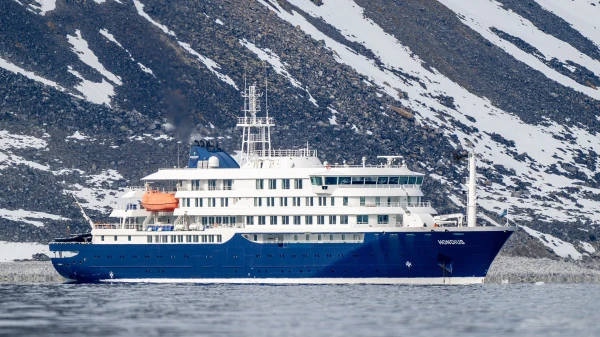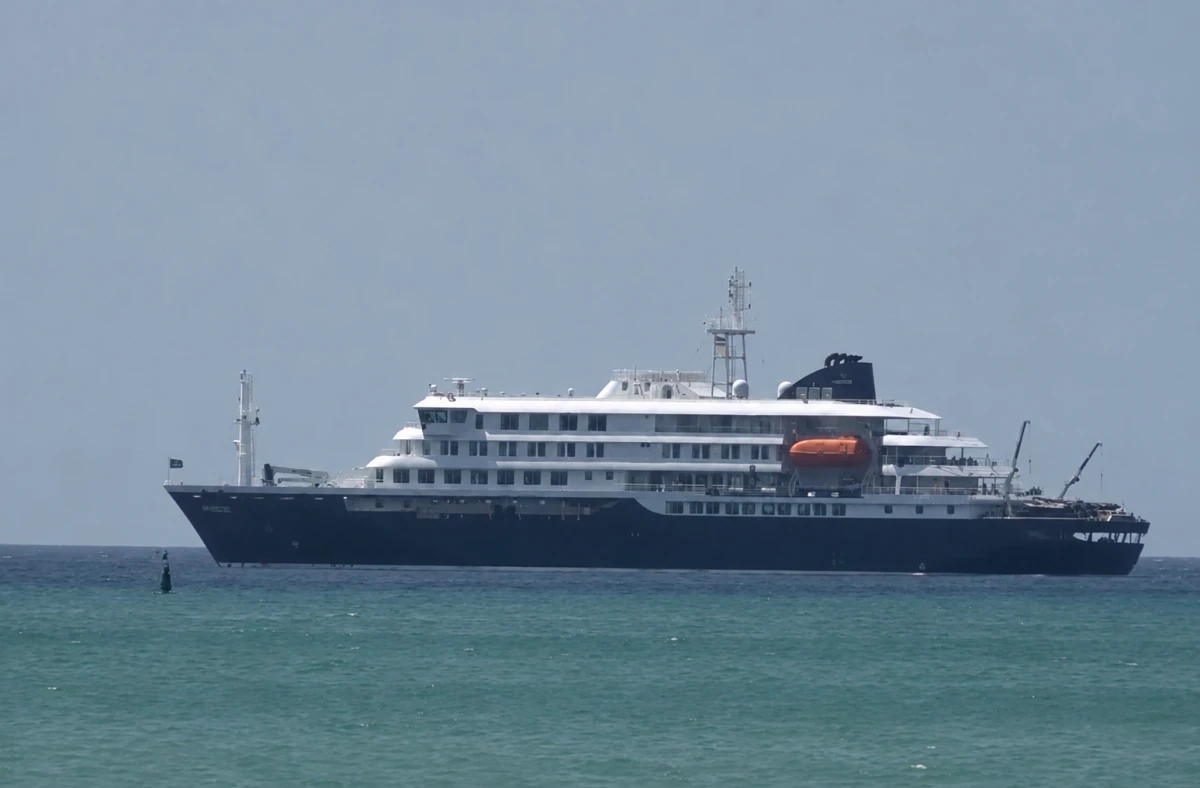
After the hantavirus outbreak on the cruise ship "MV Hondius," authorities in more than ten countries began extensive tracking of passengers and their contacts. Some individuals have already traveled around the world before the illness was reported.
International health services are trying to contain the spread of hantavirus following an outbreak on the cruise ship "MV Hondius."
Currently, several groups of people are under observation: passengers who remained on board the ship, tourists who previously disembarked on Saint Helena Island, and passengers from two flights that had infected individuals on board.
According to the World Health Organization, there are already eight cases linked to the ship, five of which have been laboratory confirmed. Three people have died.
The most challenging issue for epidemiologists is that some passengers freely traveled across various countries for more than two weeks before the outbreak was officially reported.
One of the main clusters involves about 30 passengers who disembarked the ship on Saint Helena Island in the South Atlantic between April 21 and April 24.
The WHO has notified twelve countries whose citizens left the ship. Each country is now independently tracking the contacts of its citizens.
The first confirmed case outside the ship has already been registered in Switzerland: an infected man felt unwell in Zurich after returning and was hospitalized.
Additional concern has been raised by two flights associated with an infected passenger from the Netherlands, who later died in Johannesburg.
One of the Airlink flights between Saint Helena Island and Johannesburg had 88 people on board. South Africa, France, Singapore, and other countries are currently identifying and checking passengers from this flight.
Another incident is related to a KLM flight from Johannesburg to Amsterdam. A woman managed to board the plane but was removed before takeoff due to feeling unwell. Nevertheless, she spent about 45 minutes in the cabin before dying in the hospital.
As a result, authorities in various countries are now monitoring passengers who were seated next to her on the plane.
Meanwhile, the ship itself is heading to Tenerife. About 150 people remaining on board are under medical supervision: isolation measures are in place, and disembarkation will occur according to a special scheme with minimal contact with the local population.
Spanish passengers are planned to be quarantined for up to 45 days.
It is important to understand: this is the Andes variant of hantavirus — a rare strain that can be transmitted from person to person. Most other hantaviruses spread only through contact with infected rodents.
Currently, specialists believe that the initial infection occurred before boarding the ship, likely during the tourists' stay in South America.
Despite the concern, experts urge not to compare the situation with the COVID-19 pandemic. Hantavirus spreads significantly less efficiently, and secondary transmission chains are rare.
According to the WHO, the overall risk to public health is currently assessed as low.
However, doctors warn that new cases may still emerge: the incubation period for the virus can reach six weeks.
<iframe width="560" height="315" src="https://www.youtube.com/embed/QtDlA9FGR_o?si=g1y0KUCd4u9FCxTR" title="YouTube video player" frameborder="0" allow="accelerometer; autoplay; clipboard-write; encrypted-media; gyroscope; picture-in-picture; web-share" referrerpolicy="strict-origin-when-cross-origin" allowfullscreen></iframe>