
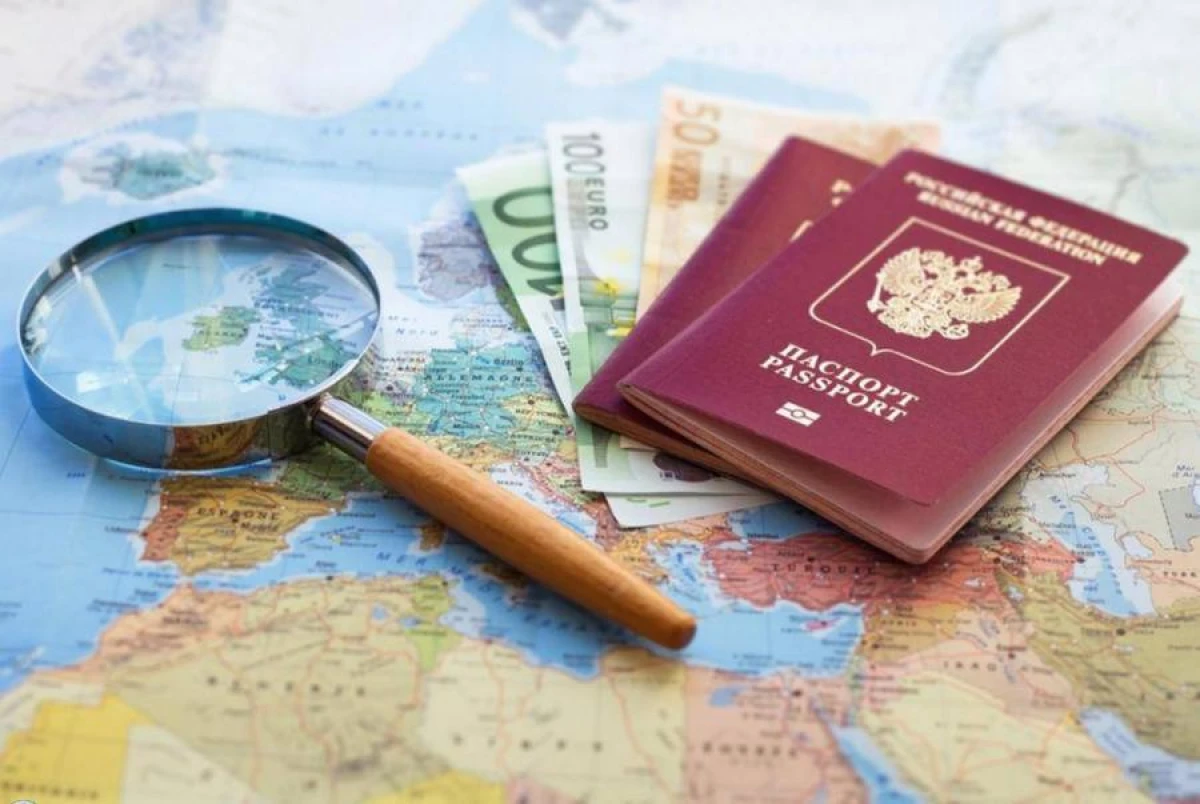
Visa statistics have reignited the debate in the EU: some countries continue to accept Russian tourists, while others demand stricter policies.
In 2025, European Union countries issued more than 620,000 Schengen visas to Russian citizens — an increase of 10.2% compared to the previous year. This data is provided by the "Schengen Barometer," referenced by Euractiv and "Ukrainian Truth."
The number of applications also rose: Russians submitted over 670,000 applications — approximately 8% more than in 2024. Most of the visas — about 77% — were tourist visas. This is followed by trips to relatives and friends, as well as business trips.
The growth occurs against the backdrop of the ongoing war between Russia and Ukraine and EU sanctions, which intensify political tension within the union. A geographical divide has effectively formed: nearly three-quarters of applications are processed in France, Italy, and Spain, while the Baltic states, Poland, and Northern Europe oppose tourist trips for Russians.
France issued the highest number of visas — and it is there that the fastest growth was recorded, more than 23% over the year.
The context is economic and social. A significant number of Russian citizens reside in France, especially on the Côte d'Azur, where Russians traditionally own real estate. However, some of these assets have been frozen under EU sanctions.
In Italy, the issue of visas has also taken on a political tone — particularly amid disputes surrounding Russia's participation in the Venice Biennale.
The differences in approaches highlight the contradiction between the EU's overall rhetoric about pressuring the Kremlin and the interests of individual countries focused on tourism and investment.
The situation has caused tension at the level of EU institutions. In early 2026, data on visas for Russians temporarily disappeared from the updated version of the "Schengen Barometer" and was returned only after demands from eight countries to explain the reasons.
According to diplomats, some states opposed the publication of this statistics, with France being particularly dissatisfied. The European Commission did not directly confirm any pressure but stated that it presented an updated report to the countries in April.
Meanwhile, new restrictions are being discussed in the EU — including a possible entry ban for Russian citizens with combat experience in the war against Ukraine. The initiative may be presented as early as June.
Ultimately, the increase in visa issuance shows that the EU's unified policy regarding Russians remains a compromise between security and economic interests.











Leave a comment