California has announced the "Stop the Hitchhiker" competition with a prize pool of up to $200,000. Authorities are looking for a way to protect the water supply from invasive mussels.
The states have announced a large-scale hunt for microscopic invasive mussels that threaten to destroy California's water infrastructure, reports bb.lv citing EcoNews.
As water managers note, the situation is critical: small mollusks, which are almost impossible to see with the naked eye, are infiltrating pipes and pumps, which could lead to the collapse of energy systems and water supply.
To address the problem, the U.S. Bureau of Reclamation has launched a special prize challenge called "Stop the Hitchhiker." According to agency representatives, "the top team can earn up to $200,000 at all stages."
The main danger lies in the fact that mussels move in hidden water remnants inside boats. Specialists are particularly concerned about the ballast tanks of vessels, where water remains even when the boat appears dry.
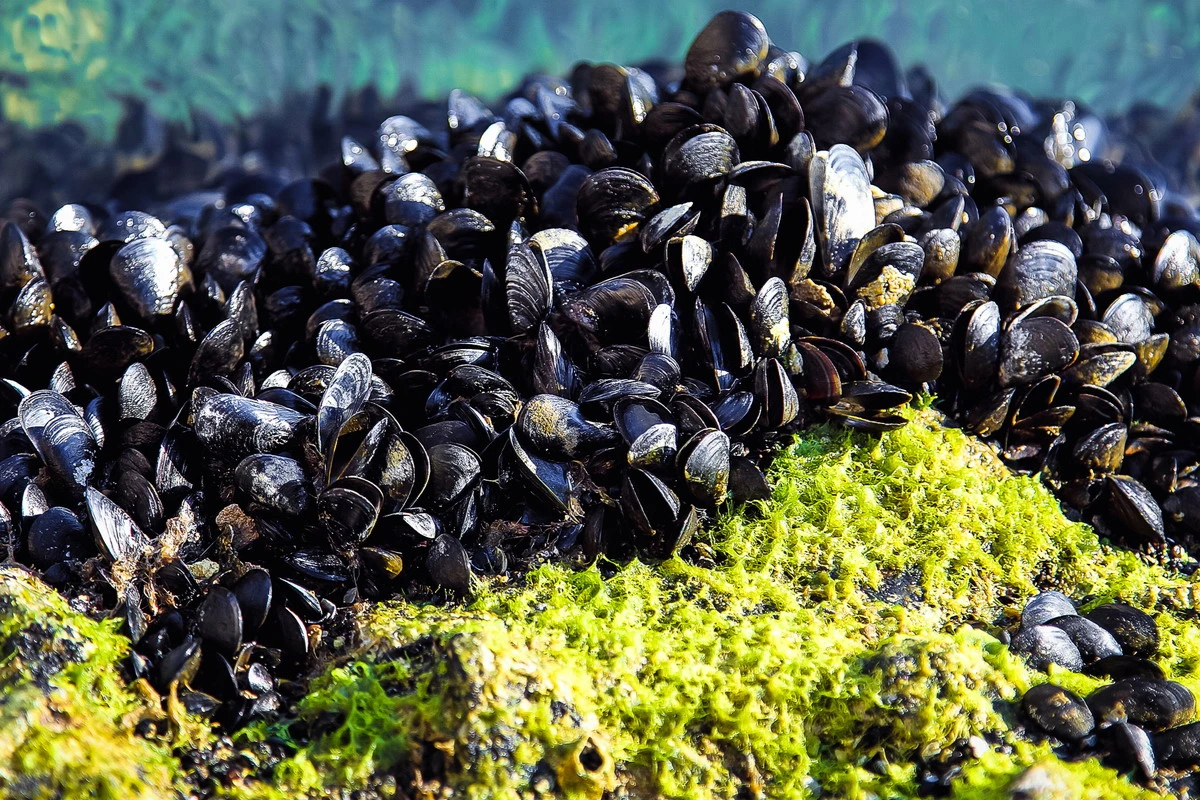
This involves zebra, quagga, and golden mussels. These mollusks form such dense clusters that they resemble a "living ball of sand" inside equipment.
According to experts' estimates, these small pests already cost the state a staggering 40 billion hryvnias (over $1 billion) annually. If they are not stopped now, people may be left without electricity, and farmers may be without water for irrigation.
Invasive species specialist West Bishop states bluntly: these mussels are invaders that have no place here. They pose a real threat to our drinking water and crops. In turn, government representative Michael Burke assures that officials are "banging their heads against the walls" to prevent the golden mussel from taking over the region.
The competition for the best solution will last until the end of May 2026. While scientists search for a way out, boat owners are urged to thoroughly clean and dry their equipment.
According to bb.lv, microscopic mussels are turning into a serious threat to water supply and energy, causing multi-billion dollar damage. Authorities are betting on innovation and attracting specialists from around the world to solve the problem. While there is no universal solution yet, prevention and control remain key — otherwise, the consequences could affect entire regions.