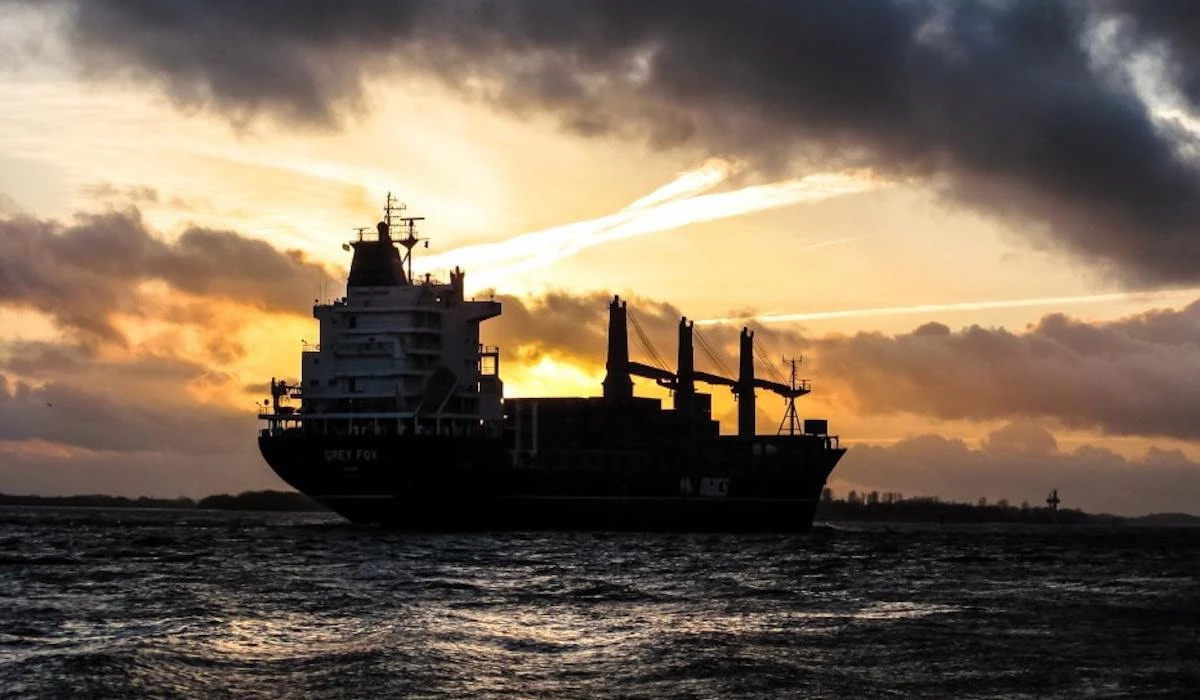
A significant accumulation of tankers carrying Iranian oil has been observed in the area of the strategic port of Chabahar, located outside the Persian Gulf but in close proximity to the American maritime blockade. This situation indicates ongoing challenges in the region and Iran's attempts to circumvent restrictions.
Satellite images and analysis conducted by United Against Nuclear Iran and Windward have revealed a troubling picture. According to Bloomberg, at the end of last week, between six and eight supertankers, as well as several smaller vessels, were drifting in the waters of the Gulf of Oman, near the port of Chabahar.
This same area recently became the site of an incident where, according to the U.S. Navy, two very large crude carriers (VLCCs) were intercepted and redirected. The accumulation of vessels near Chabahar clearly demonstrates that Iran continues to ship oil despite all obstacles.
However, the American blockade severely complicates the delivery of this raw material to end buyers, creating a tense situation in the region.
The movement of vessels through the strategically important Strait of Hormuz is currently almost completely halted. This creates serious problems for Tehran.
Soon, Iran may have to begin to shut down oil wells as the country faces a severe shortage of storage capacity for the extracted raw materials.
Oil in 'Floating Storage'
According to Vortexa Ltd., a colossal 155 million barrels of Iranian oil are currently en route or already placed in floating storage around the world. The United States is steadily increasing pressure on Tehran.
They are conducting thorough inspections of tankers in the Indian Ocean and imposing strict sanctions on major Chinese refiners who have been caught purchasing Iranian crude.
Return of Old Vessels
It remains unclear how many more free tankers are available to Iran for loading new batches of oil. However, it seems that the country is actively bringing even outdated vessels back into operation. For example, vessel tracking data showed that a 30-year-old VLCC tanker began signaling again in the Persian Gulf last week. This vessel, capable of carrying up to 2 million barrels of oil, last delivered a cargo three years ago.
The tanker Nasha, another example, last communicated just four days ago. It was heading west towards Khark Island, which is Iran's main export terminal.