
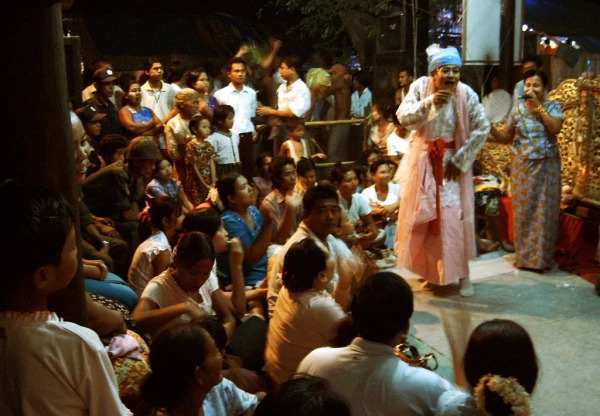
The former British colony of Burma has had a difficult journey.
Myanmar's parliament convened for the first time in five years following the 2021 coup, marking one of the final stages of a nominal return to democracy. Meanwhile, influential military leaders maintain tight control over the country's politics.
The new parliament was convened after staggered elections dominated by the military-backed Union Solidarity and Development Party (USDP). The elections were marked by low turnout and a lack of viable opposition. USDP chairman and retired Brigadier General Khin Yi was elected speaker of the lower house of parliament, which analysts believe allows the military to advance its agenda.
Since 2021, Myanmar has been experiencing a civil war and a humanitarian crisis affecting millions of residents, following the coup against Nobel laureate Aung San Suu Kyi's government as she was preparing for a second term after a landslide victory.
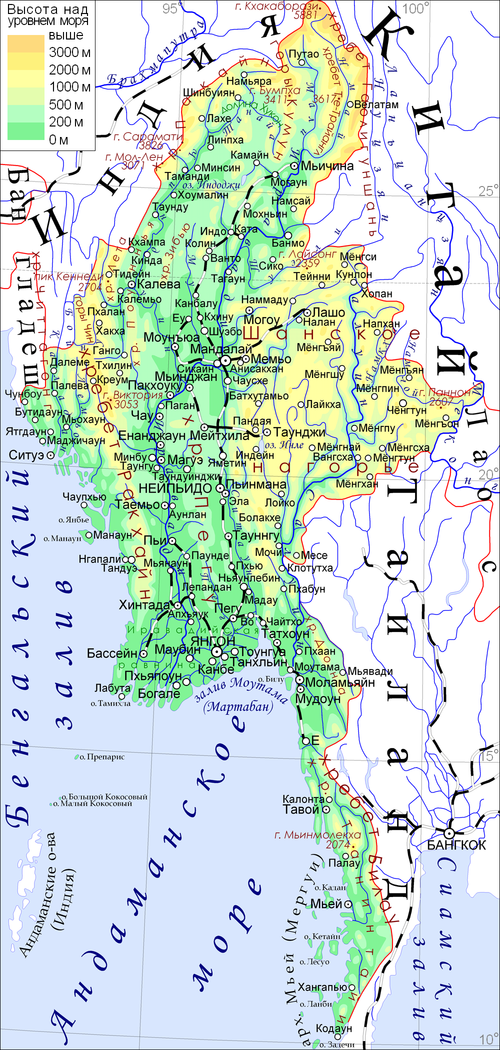
Myanmar's population is approximately 54–56 million, with the country characterized by a young citizenry (median age around 28–30 years). Life in the country predominantly takes place in rural areas (over 65% of the population), with agriculture as the backbone of the economy and, in recent years, active urbanization. The country is facing economic difficulties and political instability.








Leave a comment