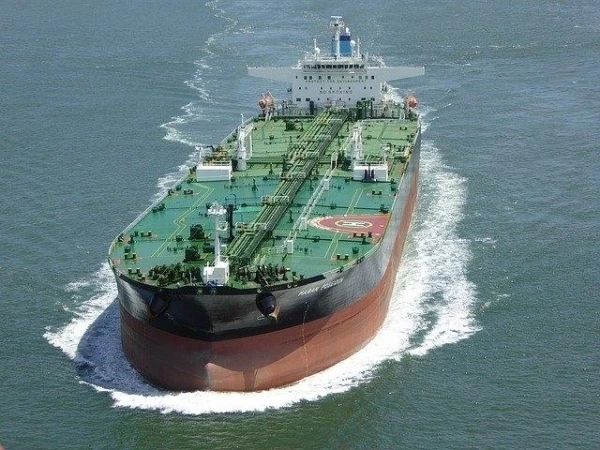
The U.S. has allowed the sale of Russian oil, which was already loaded onto tankers by March 12, until April 11. This measure, taken amid rising fuel prices, was described by the U.S. Treasury as "narrowly specialized" and "short-term."
The U.S. has lifted sanctions on the sale of Russian oil and oil products loaded onto vessels by March 12 until April 11. The license allowing such transactions was published on Thursday, March 12, on the country's Treasury Department website.
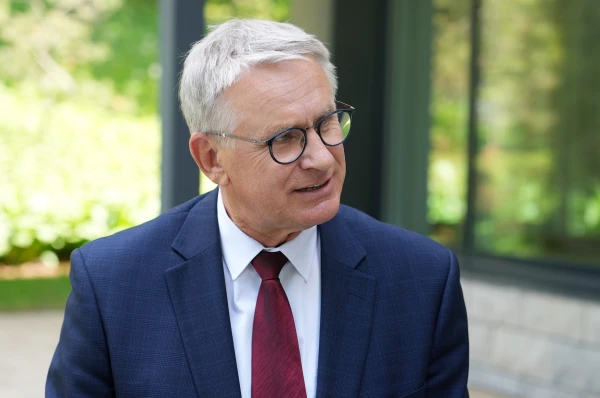
According to the head of the department, Scott Bessent, President Donald Trump made this decision to "ensure stability in global energy markets and <...> maintain low prices" amid the war between the U.S. and Israel against Iran. In his post on social media platform X, the minister noted that this "narrowly specialized, short-term measure" would not bring "significant financial benefits to the Russian government, which receives most of its revenue from energy sources through taxes levied at the extraction point." Bessent described the rise in oil prices as a "short-term and temporary disruption," which in the long term would "bring enormous benefits" to the U.S.
According to Fox News, as of March 12, there are about 124 million barrels of Russian-origin oil on tankers at 30 different locations around the world. Considering the daily fuel losses in the blocked Hormuz Strait, this is enough for 5-6 days of supply, the channel claims.
Earlier, the U.S. Allowed India to Purchase Russian Oil for a Month
Earlier, on March 6, Bessent stated that Washington had allowed India to purchase Russian oil on tankers at sea within 30 days. On March 10, Trump hinted at a possible temporary easing of sanctions against Russia during a press conference. "We will temporarily waive oil-related sanctions to lower prices. We will suspend sanctions against some countries. And, perhaps, we won't have to restore them later if we have a peaceful situation," the U.S. president said at that time.
However, on March 11, the G7 countries announced that they agreed not to lift sanctions on Russian oil amid the war with Iran. The following day, U.S. Energy Secretary Chris Wright stated that no easing of sanctions against Russia was planned.
However, the rise in prices amid the war led to the U.S. having to release oil from its strategic reserve. On March 12, the U.S. Department of Energy announced that the country would provide 172 million barrels of oil. This step fulfills a commitment to the International Energy Agency, which includes 32 countries, including Germany. According to the organization's plan, all participating countries must collectively release 400 million barrels of oil.