In 2026, the 75th anniversary of the 1951 Refugee Convention will be celebrated.
The new head of the UN High Commissioner for Refugees (UNHCR), Barham Salih, presented the vision of the organization’s mission aimed at bridging the gap between emergency humanitarian aid and long-term solutions.
Speaking at his first briefing since taking office earlier this year, Barham Salih, as reported by the UN press service, outlined an ambitious reform agenda and emphasized the need for a renewed international consensus on protection, finding solutions, and fair distribution of responsibility.
"Humanitarian aid saves lives, and it must continue to be provided wherever there are needs," Salih said, "but when emergency response tools turn into long-term measures and entire generations become dependent, we do not create stability. Success should be measured by whether people are ultimately able to rebuild their lives."
According to the High Commissioner, the protection of refugees remains one of the fundamental principles of the existing international system. He reminded that in 2026, the 75th anniversary of the 1951 Refugee Convention will be celebrated, and emphasized that states' commitments to uphold it are "more important than ever."
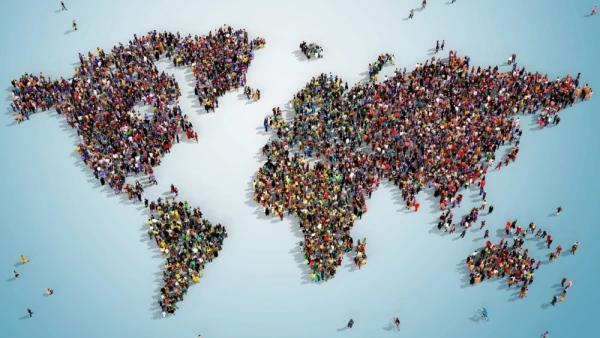
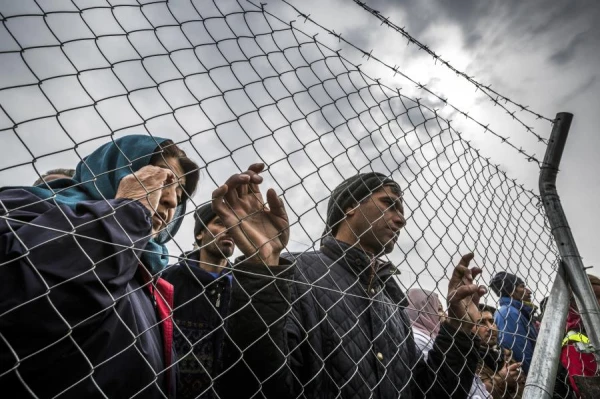
Today, there are nearly 117 million forcibly displaced people in the world, including 42.5 million refugees. Most of them live for years or decades in uncertainty, without real prospects. In some cases, they are safe but remain excluded from national social systems and are forced to rely on humanitarian aid. According to Salih, this situation should not be considered inevitable.
The High Commissioner outlined a strategic goal – to significantly reduce the number of refugees in protracted displacement and dependent on humanitarian support over the next decade. To achieve this, he noted, it is necessary to promote voluntary return, local integration, and resettlement; to more closely link humanitarian actions with development and peacebuilding programs; to expand opportunities for self-sufficiency; and to strengthen the inclusion of refugees in national systems.
Salih spoke about his initial trips to displacement areas. In Kenya, he saw the benefits of policies that allow refugees to work, study, and integrate into society. In Chad, he witnessed the scale of the needs of people continuing to flee from conflict in Sudan and the limited resources available. In Turkey and Jordan, the main task is to create conditions for the safe and voluntary return of Syrians to their homeland. These examples, he emphasized, demonstrate the dual responsibility of UNHCR: to save lives today and to prevent displacement from becoming "an endless dead end" tomorrow.