
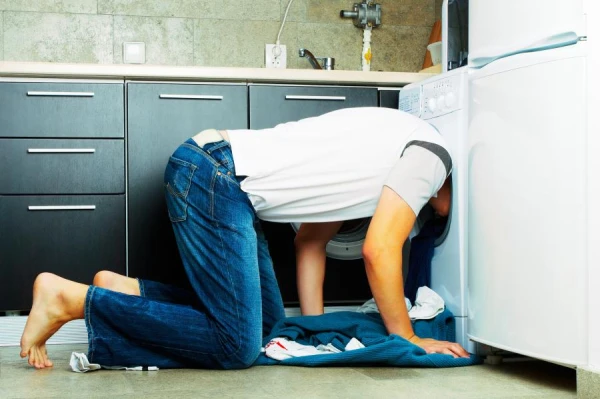
This summer, a directive on the right to repair will come into force in the European Union (EU), placing greater responsibility on manufacturers than before to ensure the reparability of their products.
The aim of the new directive is to expand consumer options for repairing devices and other equipment while increasing manufacturers' responsibility for the reparability of their products.
The new directive stipulates that:
manufacturers will be required to ensure the availability of spare parts, diagnostic tools, and service information necessary for repairs; it will encourage longer device lifespans and better reparability; the goal is to reduce the volume of electronic waste, which amounts to millions of tons per year in Europe.
Why is this directive important?
Sustainability and ecology: a longer lifespan for devices means less waste and lower resource consumption. Strengthening consumer rights: people will be able to repair devices without unnecessary obstacles or excessively high prices. Manufacturer accountability: companies will be motivated to create higher quality and more easily repairable products. As part of the European Green Deal policy, this practice is seen as an important step in combating overconsumption and environmental pollution.
What will consumers gain?
Wider access to spare parts and repair information; the ability to repair devices at independent service centers or on their own; potentially lower repair costs. Even after the warranty expires, repairing a device will become a more realistic and accessible alternative to buying new.
Which devices will this affect?
The directive will mainly apply to:
household appliances — washing machines, refrigerators, dishwashers; electronics — televisions, computers, etc.; different technological devices for which repair options are currently limited.
What do appliance repair technicians say?
The doors of Centralservice, which has been operating in Pärnu for several decades and specializes in repairing household appliances and electronics, open every few minutes. According to technician Marta Randme, who has 30 years of experience, people are increasingly trying to repair their household appliances. "Most often, I repair coffee machines and dishwashers. Also televisions that fall and break," Randme said.
Randme is an old-school person who enjoys fixing things. Young people are reluctant to enter this field, and the essence of repair has changed over time.
"Technology is becoming increasingly complex. Essentially, there is almost nothing to repair. Mostly it's just replacing some module or block — that's no longer interesting. The older and simpler the device, the more possibilities there are to fix it. With devices that have software, it becomes complicated," Randme explains.
In his opinion, the lifespan of modern household appliances is getting shorter, and this is done deliberately to encourage people to consume more actively.
"Things are made to last through the warranty period, if you're lucky. With the current level of technology, much higher quality devices could be produced," the technician emphasized.
The feasibility of repairs often depends on the price, but, as it turns out, price is not always the deciding factor. Emotional value and practical necessity are also important. "Sometimes I have to say: 'Listen, this thing is so old — are you kidding? For that money, you could buy a new one.' If the cost of repair exceeds half the cost of the device, we always consult with the client, discuss, weigh options. And sometimes a person is so attached to their item that they choose to repair it," Randme shares.
Technician Avo Oolberg has been repairing household appliances in Paide for over 35 years. He notes that people now have more appliances than they did several decades ago, and there are plenty of devices to repair. "Most often, washing machines and dishwashers are brought in. Refrigerators are brought in significantly less often," says Avo Oolberg, a board member of Oolberg ja Ko. In his opinion, this is because refrigerators often use parts that cannot be replaced.
Oolberg also emphasized that any household appliance requires maintenance; however, it is often misused or operated without proper care. "Very often, the mistake is made already at the installation stage. If this is corrected, old appliances can serve for many more years," he explained.













Leave a comment