
The archipelago is being developed without control and waste is dumped directly on the beaches.
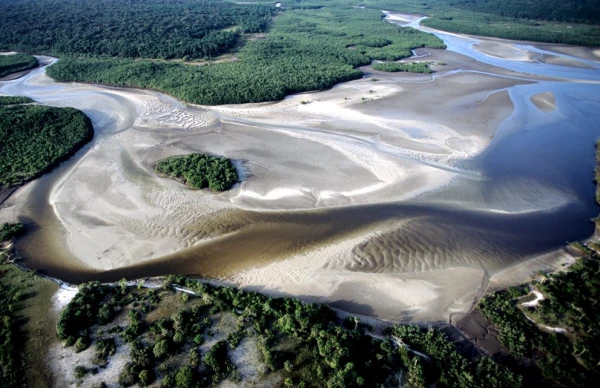
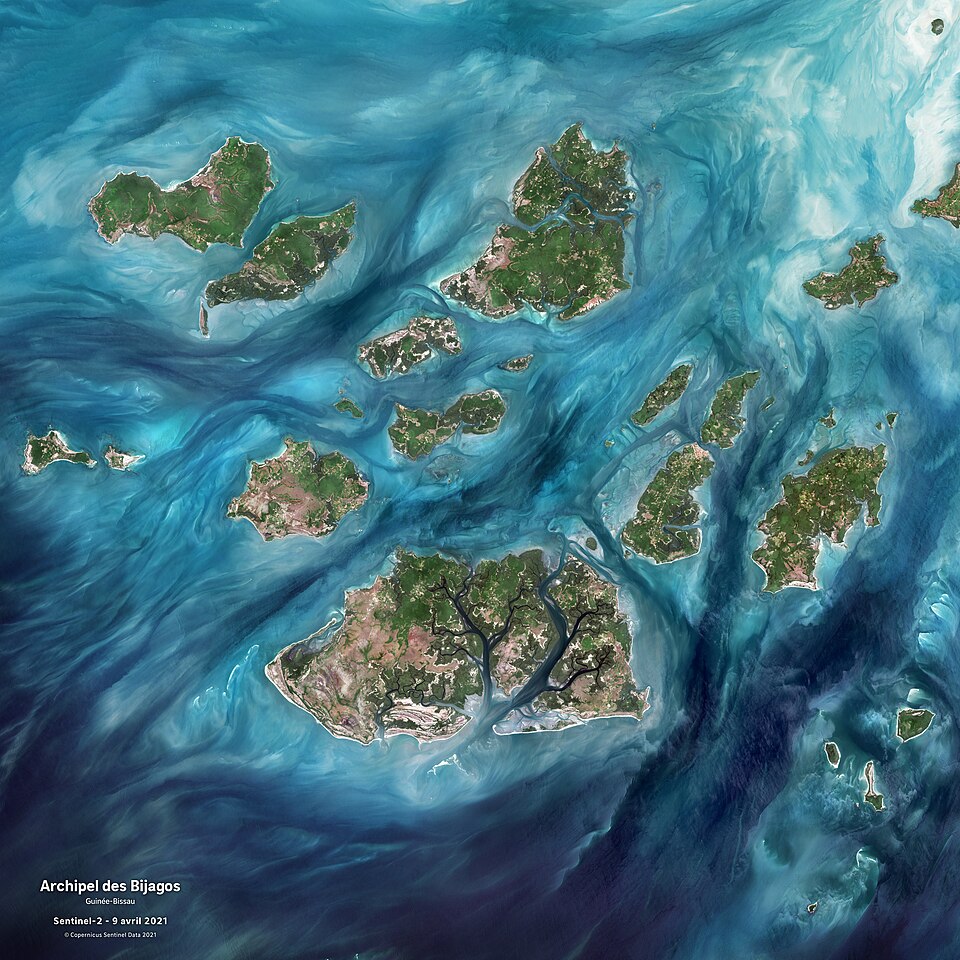
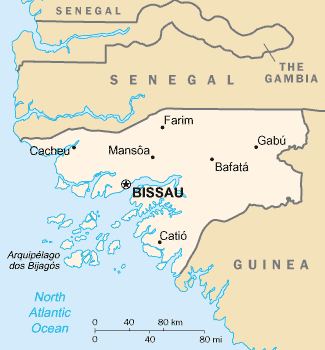
Off the coast of tropical Guinea-Bissau, the sea is slowly swallowing the Bijagos archipelago, a UNESCO World Heritage site. It is home to sea turtles, hippopotamuses, sharks, manatees, and nearly 850,000 migratory birds. The archipelago features several iconic sites, and local residents engage in traditional fishing. About 25,000 people depend on this industry.
The Bijagos consists of 88 islands covering an area of over 10,000 square meters. People permanently inhabit twenty of them.
"Every year we lose up to two meters of beach," noted Antonio Onoria Joao, assistant for administrative matters at the Institute of Biodiversity and Protected Marine Areas of Guinea-Bissau (IBAP).
Joao was speaking about the island of Bubac. This island is one of the most populated in the archipelago, with nearly 5,000 residents.
"Fifty years ago, the beach was very wide," he said, walking along the narrow strip of remaining shore. "Today the water has taken everything, and it continues to advance."
Adriano Carlos Suarez has been managing a coastal tourist camp since 2020. To protect the area from the onslaught of waves, he built a high 10-meter barrier made of tires. However, part of the building has still been damaged. A giant quebracho tree, which serves as a dam, may soon fall.
The Intergovernmental Panel on Climate Change (IPCC) has long warned that global warming is raising sea levels, threatening coastal residents, increasing the risk of biodiversity loss, and leading to the extinction of some species.
A government report titled "Guinea-Bissau's Strategic Plan for 2025" also contains alarming information: the coastline is retreating by up to 7 meters per year. This leads to the destruction of mangrove forests, endangering both people and animals.
According to Joao, the human factor also plays a role here: islands are being developed without control, and waste is dumped directly on the beaches. This destroys natural defenses—the roots of mangroves and sandy barriers that absorb wave energy. Without them, the shore erodes much faster.
IBAP identifies problem areas, plants trees, and conducts outreach with residents. But the threat does not go away. A representative of an NGO, who wished to remain anonymous, lamented the lack of assistance. "We receive support from some international organizations, but it is not enough," he said.
He urged the government to invest more funds into the islands to give them a chance for survival.











Leave a comment