
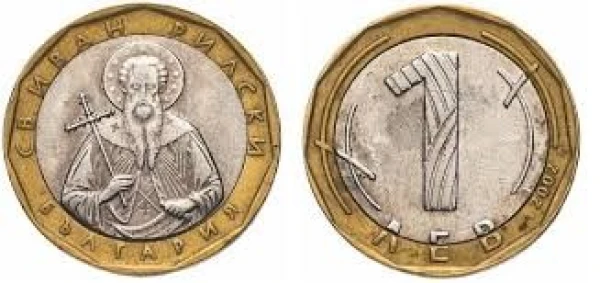
On New Year's Day, Bulgaria will officially complete its integration into the EU by adopting the single European currency. The country, with a population of nearly 6.5 million, bids farewell to the Bulgarian lev and becomes the 21st member of the eurozone.
For many, this event is among the greatest achievements of the country since Bulgaria transitioned from a Soviet economy to a free market in 1989.
Neylin Petrov, a resident of Sofia, admits: "I am definitely happy. Bulgaria is part of the European continent and a full member of the European Union; it takes its place among other developed and democratic European countries. I am convinced that the transition to the euro will contribute to the long-term prosperity of our country - in the interest of future generations."
Bulgaria is one of the poorest countries in the EU, and according to Transparency International, it is also one of the most corrupt in the bloc.
On December 11, Prime Minister Rosen Zhelyazkov resigned amid mass protests, where participants demanded the dissolution of the cabinet, an intensified fight against corruption, and early parliamentary elections. Against the backdrop of the crisis, Bulgarians were left without an agreed budget for the next year.
The European Commission stated that this does not change plans for Sofia's admission, which has met the necessary requirements for membership in the eurozone. Among them are the inflation rate, exchange rate stability, and budget deficit.
Bulgaria's entry into the eurozone also implies membership in the Governing Council of the European Central Bank, which sets interest rates.



Leave a comment