
The project has also become a symbol of the normalization of relations between the two countries following the scandal of 2024.
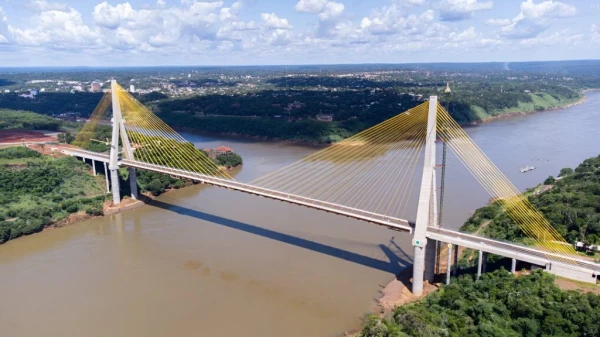
The integration bridge between Brazil and Paraguay has officially opened for vehicular traffic, reports MercoPress. The ceremony was attended by Brazilian President Luiz Inácio Lula da Silva. Paraguayan President Santiago Peña held a separate event on the Paraguayan side of the bridge, which connects Foz do Iguaçu and Presidente Franco.
The opening of the bridge concluded a 33-year history of diplomatic negotiations and ended a three-year period of inactivity: the structure was essentially ready back in 2022 but was never utilized. The new crossing is located just seven kilometers from the Friendship Bridge, the main and heavily congested artery between Foz do Iguaçu and Ciudad del Este. Approximately 100,000 people and up to 45,000 vehicles cross the border daily via this route.
The 760-meter-long bridge was fully constructed by the end of 2023. However, the lack of access roads and customs infrastructure made it impossible to put into operation, despite significant investments of about 345 million USD. Part of the funding was provided by the Itaipu hydroelectric power plant, which is owned by Brazil and Paraguay. All bureaucratic infrastructure issues were ultimately resolved only by the end of 2025.
Currently, only empty trucks and tourist buses are allowed to use the bridge. Full freight traffic is expected no earlier than late 2026 to early 2027, after the customs terminals and accompanying infrastructure are put into operation.
The project has also become a symbol of the normalization of relations between the two countries following the scandal of 2024. In April, news emerged of an intelligence operation affecting Paraguayan institutions in the context of negotiations over Itaipu energy. This triggered a diplomatic crisis. Lula's administration placed the blame for the incident on the previous government, but the conflict was formally resolved only in November during high-level negotiations.
The authorities of Brazil and Paraguay hope that the new bridge will simplify trade not only between the two countries but also with neighboring Argentina, as well as reduce the burden on the 60-year-old route, which has long become a "bottleneck" for regional exports. Both sides also have additional hopes for revenue from the joint operation of Itaipu, even despite ongoing disputes over electricity tariffs.











Leave a comment