
Georgia maintains trade and economic ties with Russia and adheres to a pragmatic policy.
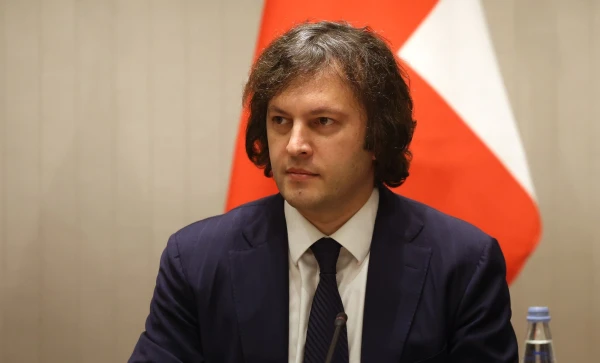
The Georgian authorities' attitude towards Russia remains clear, with defined red lines, while maintaining a pragmatic policy that supports trade and economic ties, stated Prime Minister Irakli Kobakhidze to the Rustavi 2 television company.
Kobakhidze added that despite the lack of diplomatic relations, Georgia maintains trade and economic ties with Russia and adheres to a pragmatic policy, with its main task being the search for a peaceful resolution to the conflict.
Diplomatic relations between the countries were severed by Georgia after Russia recognized the sovereignty of Abkhazia and South Ossetia in August 2008. Tbilisi considers these territories to be occupied.
On December 9, Abkhazia reported the imminent completion of the construction of a cargo customs terminal on the border with Georgia for the transit route with Russia. However, Georgia made it clear that the route would only operate if Georgian legislation is adhered to.
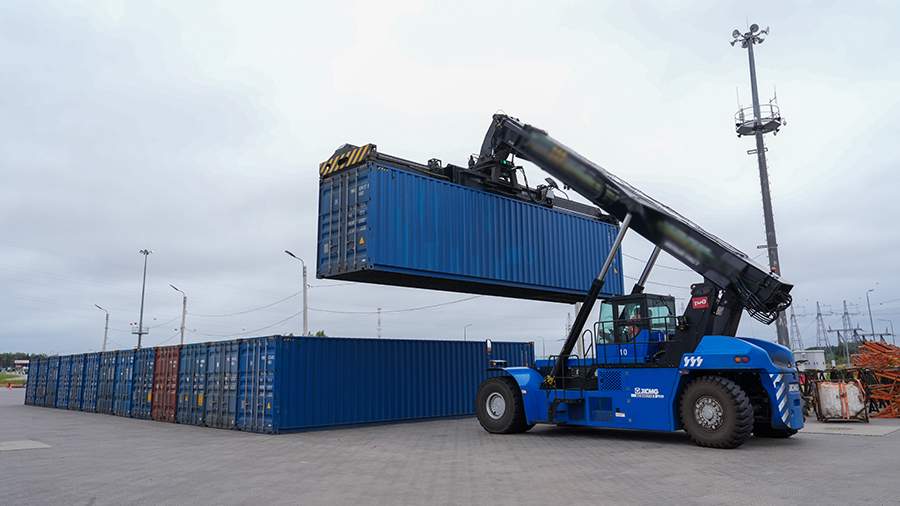
The proposed transport corridor will allow transit from Turkey, Iran, India, and Azerbaijan to the southern regions of the Russian Federation through the territories of Georgia and Abkhazia. In response to a journalist's question about the transit of goods through Abkhazia, Georgian Prime Minister Irakli Kobakhidze called the information about Tbilisi's participation in the project a "speculation." "We do not recognize any so-called state border with Abkhazia, this is a complete lie, and based on this, there can be no talk of this from our side," Mr. Kobakhidze stated firmly. "We will not allow any vehicles to pass through the Inguri," warned the head of the Georgian government.
At the same time, he did allow for the possibility of using the transit route, but only based on the Russian-Georgian agreement of November 9, 2011, "On the Mechanism of Customs Administration and Monitoring of Trade in Goods." This document was signed by Russia and Georgia with the participation of the United States during the complex negotiations to lift the Georgian side's objections to Russia's accession to the WTO. The main contradictions concerned the status of Abkhazia and South Ossetia — former Georgian autonomies, the independence of which had been recognized by Moscow following the "five-day war" of 2008.
To overcome the "discrepancies," the administration of then-President Barack Obama proposed a compromise solution, approved by both Tbilisi and Moscow: for trade and transit between Georgia and Russia in accordance with WTO rules, "extraterritorial trade corridors" would be created through the territories of Abkhazia and South Ossetia. In the case of Abkhazia, one end of the "corridor" connected to a monitoring point in the Zugdidi district of Georgia, while the other connected to a similar point near Sochi. Monitoring the movement of goods was proposed to be entrusted to the Swiss company SGS. For this purpose, it was planned to equip each vehicle entering the corridor with chips. The participation of the Abkhaz side in this process was not provided for.
Despite the signing of the document, Georgian experts considered it "stillborn" from the very beginning.





Leave a comment