

Startups and small businesses have proven to be the most vulnerable to the new requirement.
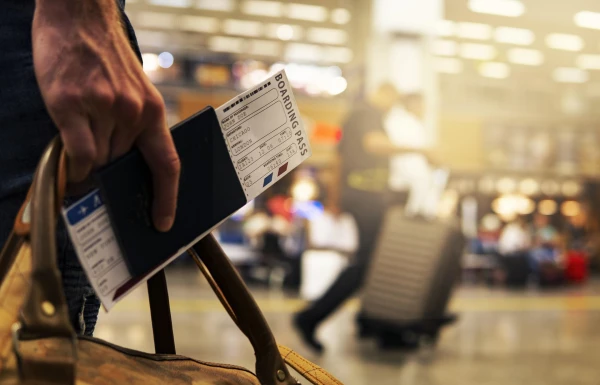
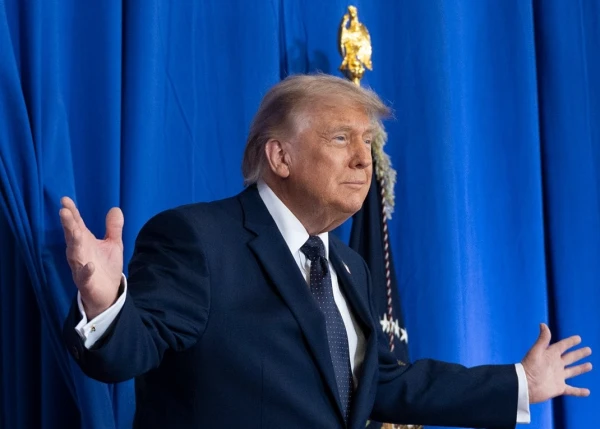
Obtaining an American H-1B work visa, which qualified employees used to travel to the country, was already a quest: it was drawn in lotteries among applicants and issued in extremely limited quantities. And since the end of September, when Donald Trump's decree mandated that employers in the U.S. pay $100,000 for each of their foreign employees working under this visa, it has become practically inaccessible.
The restriction is in effect for 12 months and provides exceptions based on national interests as determined by the Department of Homeland Security (DHS).
Unlike the increases in government fees for visas by the U.S. Citizenship and Immigration Services (USCIS), where attorneys and other parties have the right to comment on the proposed changes and attempt to contest them, and where it takes three to six months from proposal to implementation, this decision took effect almost immediately.
It is also important to understand that since this is not a new USCIS fee, the payment of $100,000 is not legalized within the immigration system and has been introduced bypassing standard procedures. This creates legal and economic risks for employers. Meanwhile, USCIS had recently raised the registration fee for participating in the H-1B lottery to $215. This has caused some confusion and led to lawsuits regarding the decree.
The text of the presidential decree instructs the U.S. Department of Homeland Security to suspend the consideration of petitions without confirmation of the payment of $100,000 for applicants outside the U.S.
The H-1B is the primary work visa in the U.S. for professionals with higher education in the fields of technology, engineering, medicine, finance, and science. It allows American companies to hire employees when there are no suitable candidates in the domestic market. This visa is issued for a maximum of three years with the possibility of extension up to six and can be the first step toward obtaining a green card (usually under categories EB-2 or EB-3).
The main advantages of this visa are legality, predictability, and open prospects for career growth within the U.S. Additionally, the recipient of such a visa is usually not required to independently gather numerous documents proving their value to the American economy and society — only the employer's intent to hire them and compliance with a specific specialty are needed.
On the downside, there has been a strictly limited quota and lottery in place for four years: 85,000 visas are available annually, including 20,000 for holders of master's degrees and higher. Now, another powerful barrier has emerged in the form of the mandatory payment of $100,000, which makes hiring under H-1B practically inaccessible for startups and small businesses — and not very attractive even for large companies, as they also do not like to throw money around.
Startups and small businesses, especially in the fields of technology, engineering, and biomedicine, have proven to be the most vulnerable to the new requirement.
Considering that Trump's decree caught many by surprise, as well as the established practice in the U.S. of attempting to contest any — including presidential — decisions in court, affected groups have already begun filing lawsuits against the decree.












Leave a comment