Growing from food scraps is an interesting way to get a second harvest.
Green Onions
This is the most common plant that can be grown for greens. If the lower white part of the green onion is left, you can get new shoots again. Place the bunch in a glass of water so that the liquid reaches the middle of the bulb. Change the water every other day, and soon the onion will sprout roots, and in two weeks you can cut the first harvest.
Leeks
This variety of onion is grown in the same way as green onions. Place the bulbs in water, change the liquid, and wait for the roots. Leeks can be planted in a container with soil or left in a glass.
Lettuce
Romaine lettuce is usually sold with roots in small cups. Carefully remove the plant and transfer it to a container with water. When the leaves start to grow, transplant it into a container with soil and don't spend a lot of money on greens.
White Cabbage
It is difficult to sprout a whole head, but the stump can be sprouted quite easily. The principle is the same: place it in a glass of water, change the liquid, and watch to ensure the cabbage doesn't start to rot. Once roots appear, transplant it into a container with soil.
Ginger
This plant is popular in the cold season when support for the immune system is needed. Grated and dried root is used to make ginger tea with beneficial additives — honey, cinnamon, mint, lemon. The good news is that this healthy root vegetable can be grown at home. Plant a piece in water, and soon shoots will appear. Transfer it to a pot with soil and place it on a south-facing windowsill. After a while, you can dig up the root, cut it, and return it to the soil.
Carrots
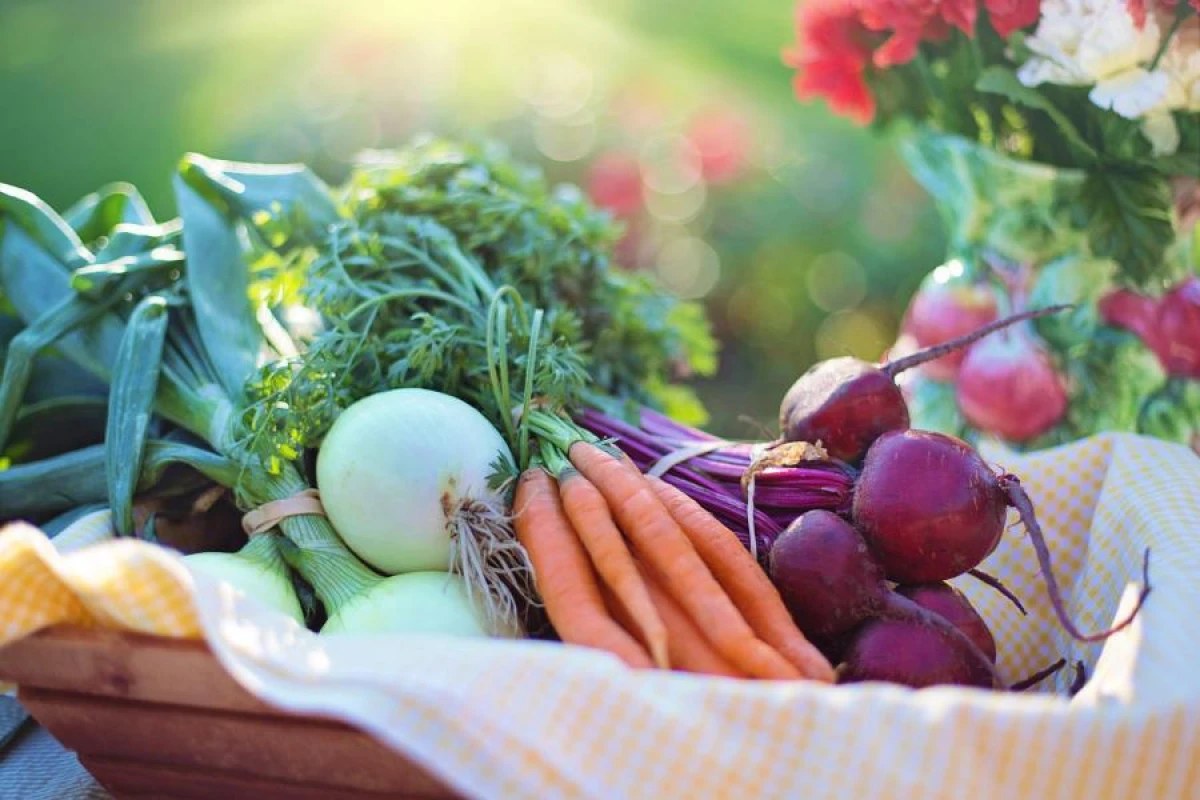
Young carrot tops are added to salads, soups, okroshka, and meat dishes. The greens are healthy and tasty. After cleaning, do not throw away the tops; place them in a lid with water. The root itself will not grow, but the greens will sprout. By the way, fresh tops can also be obtained from beets or radishes in the same way. You can use not only water for sprouting but also damp sand.
Chinese Cabbage
Cut off the bottom part of the Chinese cabbage (about 5 centimeters). Place it in a glass, put it in a cool place, and change the water every 2-3 days. The stump will give roots, and in two weeks, new leaves will appear from the top. Pick the large ones, leaving the small ones to grow.
Celery
Cut off the rosette at the bottom of the stem and place it in a moist environment. After 7 days, young leaves will appear — it's time to transplant into a pot with nutrient substrate. With sufficient light, it will develop very quickly, and you won't have to run to the store for supplements.
Pineapple
Pineapple is not a vegetable, but it made our selection for a reason: the fruit can be grown from the crown. Do not throw away the top part with the leaves; dry it for a few days and plant it in well-drained soil. It grows slowly but tolerates drought well. The first fruits will appear in two years. By the way, it blooms beautifully and can be grown not only for food but also for decorative purposes.