
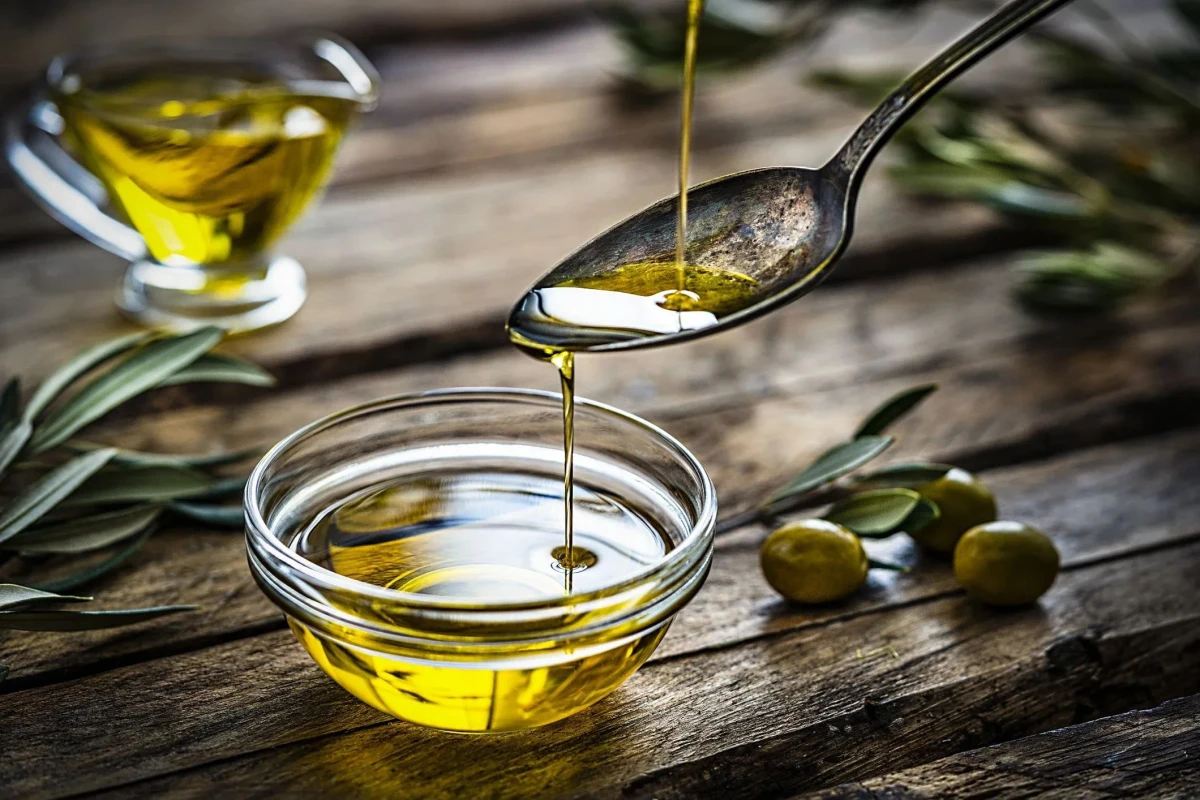
Olive oil has long been considered one of the symbols of healthy eating. However, there are many myths surrounding this product—from ways to check its quality to the question of whether it can be used for frying. We explore what to pay attention to when buying and why heating can change the beneficial properties of the oil.
Olive oil has long ceased to be an exotic product. It is added to salads, used for preparing Mediterranean dishes, and valued for its high content of healthy fats. However, the popularity of the product has led to the emergence of many counterfeit and low-quality alternatives.
According to nutritionist and dietitian Elena Zhelyanina, the first thing to pay attention to when purchasing is the Extra Virgin label. This oil is obtained through the first cold pressing without heating and chemical processing. It retains the maximum amount of antioxidants and beneficial fatty acids.
Another important indicator is acidity. For high-quality Extra Virgin oil, it should not exceed 0.8%. The lower this figure, the better the quality of the raw materials and the production technology.
Experts also recommend paying attention to the origin of the product. Reliable manufacturers usually specify the exact region where the olives are grown, rather than using vague phrases like "EU countries" or "a blend of oils of various origins."
Why Packaging Matters
High-quality olive oil is most often sold in dark glass bottles or tin containers. Light accelerates oxidation processes and contributes to the breakdown of beneficial substances.
If the oil is stored in a clear plastic bottle, this may indicate a lower level of protection for the product. Under the influence of light and oxygen, the oil loses its taste, aroma, and antioxidants more quickly.
Additionally, prolonged storage in heat can negatively affect the quality of the product due to the plastic. That is why experts recommend choosing oil in dark glass containers.
The quality can also be determined by taste. Real Extra Virgin oil usually has a slight bitterness and a characteristic sensation of mild burning or tingling in the throat. These signs are associated with a high content of polyphenols—natural antioxidants.
What Happens When Heated
Olive oil is rich in monounsaturated fatty acids and antioxidants; however, many of these substances are sensitive to high temperatures.
During heating, some beneficial compounds begin to break down. This is especially true for polyphenols, which are considered one of the main reasons for the health benefits of olive oil.
Moreover, prolonged exposure to high temperatures intensifies the oxidation processes of fats. As a result, compounds are formed that no longer possess the beneficial properties of the original product.
The so-called smoke point plays an important role—the temperature at which the oil begins to smoke and change its structure. For Extra Virgin oil, this figure is lower than for refined oils.
That is why in Mediterranean countries, olive oil is more often used for dressing salads, preparing sauces, and adding to already cooked dishes.
The Dangers of Reheating
Experts advise paying special attention to the repeated use of oil for frying.
With repeated heating, the amount of oxidation products and trans-isomers of fatty acids increases. These are associated with an increased burden on the cardiovascular system and disruptions in fat metabolism.
Regular consumption of heavily fried foods may contribute to the development of atherosclerosis, high blood pressure, insulin resistance, metabolic syndrome, and other chronic diseases.
How to Use Oil for Maximum Benefit
To preserve the beneficial properties of the product, experts recommend adding olive oil to already cooked dishes. It pairs well with vegetables, herbs, fish, cheeses, and whole grain products.
At the same time, it is important to remember that even healthy oil remains a high-calorie product. One teaspoon contains about 40–45 kilocalories, so excessive consumption can increase the overall caloric content of the diet.
Oil should be stored in a cool, dark place, away from sunlight and heat sources.
The benefits of olive oil depend not only on its quality but also on how it is used. When choosing, it is essential to pay attention to the labeling, packaging, and origin of the product, and to preserve the maximum amount of beneficial substances, it is better to use it in cold dishes or add it after cooking.










Leave a comment