
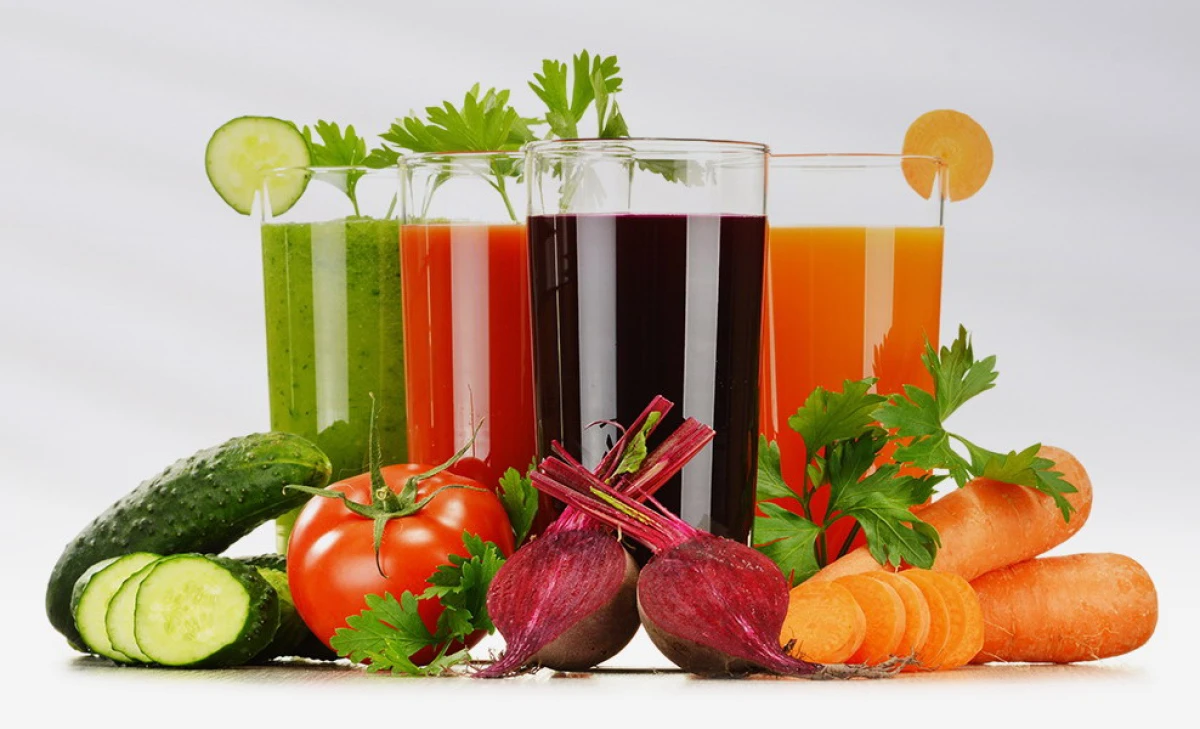
British researchers have found that regular consumption of beet juice can positively affect the condition of the cardiovascular system.
To maintain heart and vascular health, expensive medications are not necessary. Sometimes, it is enough to reconsider your daily diet. According to scientists from the University of Exeter, noticeable changes in vascular function and blood pressure readings were observed just 14 days after the start of the experiment.
Thanks to its high content of natural nitrates, this drink demonstrates a powerful healing effect. The juice helps the blood vessels relax, which is a key factor in normalizing blood pressure readings.
Natural doping for blood vessels: how vegetable therapy works
As noted by the publication abcZdrowie.pl, positive shifts in the body become noticeable after just 14 days of regular consumption of the product. During the scientific experiment, specialists closely monitored the body's response of representatives from various age groups to dietary changes.
Volunteers consumed natural beet juice twice a day for two weeks, and during the control phase, they drank a placebo (a drink completely devoid of nitrates). The most striking results were recorded in elderly patients.
According to Professor Anni Vanhahtalo, as people age, the human body loses its ability to synthesize sufficient amounts of nitric oxide. This leads to a loss of elasticity in the arteries and, consequently, provokes dangerous spikes in blood pressure, threatening heart attacks or strokes. Fresh beets effectively address this issue by restoring the necessary tone to the blood vessels.
Surprisingly, but a fact: the heart drink changes the oral flora
A British study revealed another unique mechanism of action: the healing drink radically reformats the bacterial environment of the oral cavity.
Consuming the juice significantly suppresses the activity of Prevotella-type bacteria, which often trigger dangerous inflammatory processes in the body. At the same time, the number of beneficial microorganisms has rapidly increased. Project co-author, Professor Andy Jones, emphasized that a nitrate-rich diet protects the heart in a comprehensive manner. It not only mechanically dilates blood vessels but also improves the microbiome, which automatically blocks systemic inflammation and normalizes blood pressure in elderly individuals. Interestingly, the microbiota of younger participants also changed, but it had little effect on their blood pressure readings.
Can beet juice be replaced?
The specific, earthy taste of raw beets is not liked by everyone, but that is not a reason to abandon effective prevention.
Professor Vanhahtalo reassures: support for the cardiovascular system can also come from other plant sources that contain a similar amount of necessary nitrates. If you do not like beets, feel free to add to your daily diet:
- crunchy celery or aromatic fennel;
- fresh spinach leaves and spicy arugula;
- curly kale.
The main condition is to ensure regular consumption of these vegetables and greens to maintain a stable production of protective compounds in the body.
Ordinary vegetables from the garden have proven to be a powerful and safe weapon against age-related hypertension. Just 14 days of proper nutrition help cleanse the microbiome of harmful bacteria, tame internal inflammatory processes, and lower blood pressure, which is very important for the blood vessels.
Experts remind us: caring for the heart does not always require expensive medications or complex procedures. Sometimes effective solutions can be found among the most accessible products. Beets, spinach, arugula, and other vegetables can provide natural support for the blood vessels and help maintain health for many years.













Leave a comment