
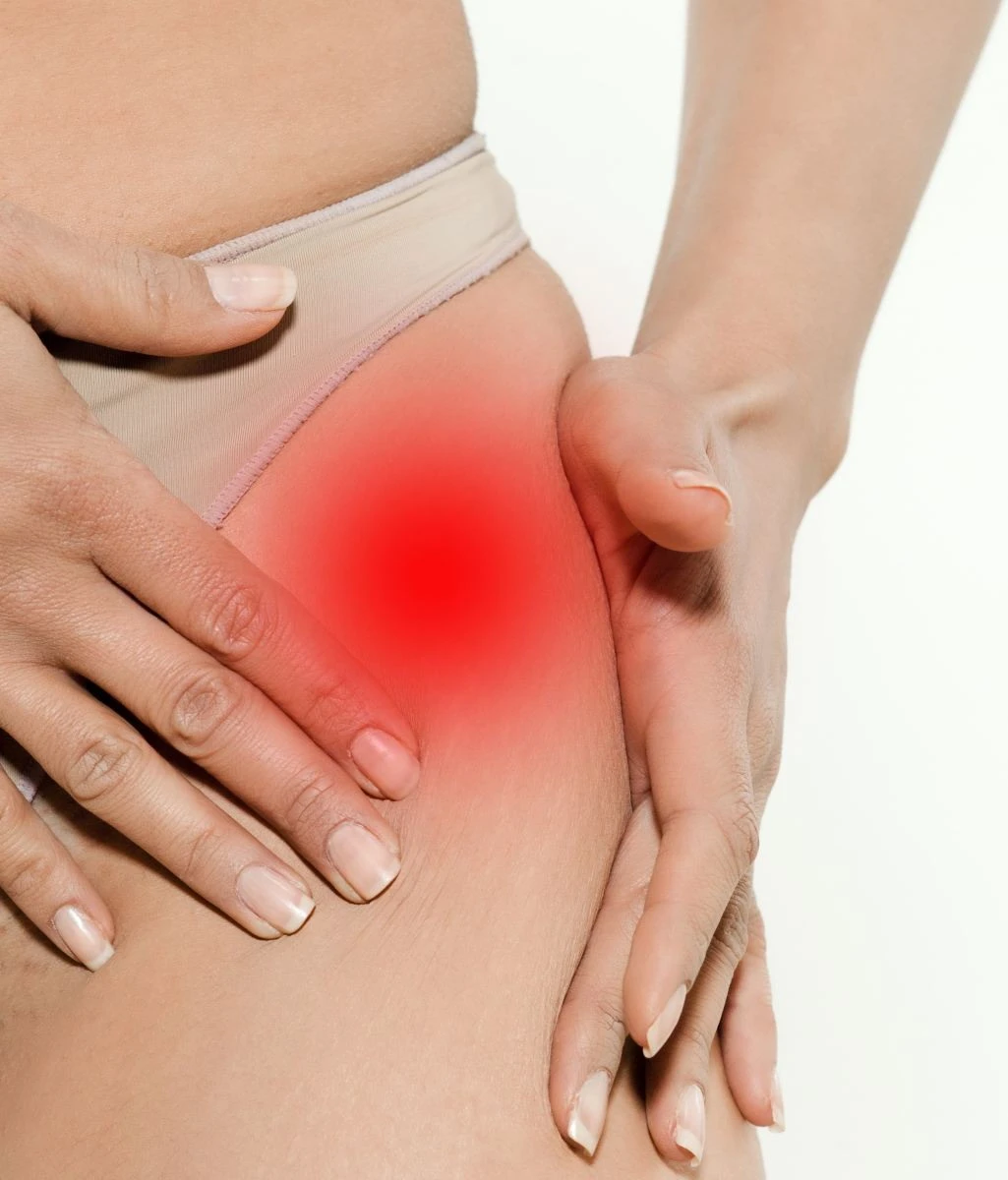
A dull pain in the hip that radiates to the groin, buttock, or worsens with walking is not always related to fatigue or age. According to orthopedic traumatologist Yuri Shimon, such symptoms may indicate serious diseases of the hip joint that, without timely treatment, can lead to its destruction and even the need for endoprosthetics.
Hip pain can be dangerous: what symptoms indicate joint destruction
If you experience a dull or aching pain in your hip that radiates to your groin or buttocks, do not dismiss it as just fatigue, physical exertion, or age. Often, this is how serious diseases of the hip joint signal themselves. Orthopedic traumatologist Yuri Shimon explained what pathologies discomfort in this area may warn about and how to recognize the danger.
Timely visits can save you from surgery. Most pathologies of the hip joint can be successfully treated without surgery in the early stages (using therapeutic exercises, physiotherapy, and medications). However, ignoring symptoms leads to irreversible cartilage destruction and endoprosthetics (joint replacement).
Why Should Hip Pain Not Be Ignored?
The hip joint is one of the largest and most loaded joints in the human body. It allows us to walk, bend, sit, and climb stairs, bearing colossal loads daily.
Additionally, large blood vessels and important nerve endings run through this area. Ignoring chronic pain in the hip area (especially if it does not go away for several days or worsens with movement) is absolutely unacceptable. This can lead to the development of irreversible pathological changes and even disability.
What Can Cause Hip Joint Pain: Main Reasons
The causes of discomfort can vary — from simple muscle strain to chronic degenerative processes.
The most common causes of joint pain include:
-
Traumatic injuries: bruises, ligament strains, dislocations, as well as dangerous fractures (including femoral neck fractures).
-
Inflammatory processes: inflammation of the joint itself, tendons, or joint capsule (arthritis, bursitis, tendinitis).
-
Degenerative and age-related changes: coxarthrosis (destruction of cartilage tissue).
-
Vascular disorders: avascular necrosis (disruption of blood supply to the femoral head).
-
Congenital pathologies: hip dysplasia.
Other factors: oncological tumors, as well as hormonal changes (pregnancy or menopause).
Note! Sometimes the cause is not in the hip at all. Similar "radiating" pain accompanies spinal diseases (lumbar osteochondrosis, intervertebral hernias, scoliosis), compression or damage to the sciatic nerve (sciatica), and can also worsen with diabetes or excess weight.
Symptoms: How to "Recognize" a Joint Problem?
The following symptoms usually indicate that the problem is indeed within the joint:
-
Pain in the hip or groin that is constant and does not go away for more than 3–5 days;
-
Significant discomfort at night (difficulty finding a comfortable sleeping position);
-
Characteristic crunching, clicking, or grinding in the hip during movement;
-
Increased pain when walking, getting up from a chair, or climbing stairs;
-
Morning stiffness (you need to "warm up" after waking up);
-
Appearance of a limp or noticeable change in gait.
If the pain shoots sharply down the leg or into the buttock — this more often indicates compression of nerve roots in the spine.
Red Flags: When to Urgently See a Doctor?
Urgently make an appointment with an orthopedic traumatologist or surgeon if you notice at least one of these symptoms:
-
You cannot put weight on your leg due to severe pain.
-
Severe pain bothers you even at complete rest (lying down).
-
The area of the joint is visibly swollen, red, or warm to the touch.
-
The leg is unnaturally twisted inward/outward or appears shorter than the other.
What to Do BEFORE Seeing a Doctor (First Aid):
-
Maximize unloading of the leg, use a cane or crutch if necessary;
-
Avoid sharp turns of the torso and deep squats;
-
Do not heat the joint (heating pads and hot baths can increase inflammation);
-
Do not overuse strong painkillers — this may obscure the clinical picture during examination.
Diagnosis: How is an Accurate Diagnosis Made?
During the initial consultation, the orthopedic doctor conducts an examination, palpation, and checks the range of motion of the leg. Instrumental studies are prescribed for accurate diagnosis:
-
X-ray (basic method for detecting fractures and arthrosis);
-
MRI or CT (for detailed assessment of cartilage, soft tissues, and blood vessels);
-
Blood tests (to rule out rheumatological and inflammatory processes).
Modern Methods for Treating Hip Pain
The treatment plan is tailored individually and depends on the cause of the pathology.
Conservative therapy includes:
-
Medication (anti-inflammatory and analgesic drugs, chondroprotectors);
-
A course of therapeutic exercises (physical therapy) under the supervision of a rehabilitation specialist;
-
Physiotherapy procedures and therapeutic massage;
-
Local injection therapy (introduction of hyaluronic acid or PRP therapy directly into the joint).
Important: In complex cases — for example, with severe joint destruction or fractures — surgery or joint replacement with an artificial one may be required.
Experts remind: hip pain is not a symptom that should be endured for weeks. The sooner the cause of discomfort is identified, the higher the chances of preserving the joint and avoiding serious complications. Timely consultation with a doctor allows treatment to begin at a stage when the problem can still be resolved without surgery.














Leave a comment