Fatal cases linked to hantavirus have been reported aboard the cruise liner MV Hondius in the Atlantic. The World Health Organization confirmed: the infection is dangerous, but the risk of its spread among the general public remains low.
What Happened on the Liner
In early May, three people died on a vessel traveling between Argentina and Africa, including a married couple from the Netherlands. Three more passengers were hospitalized. The illness in all cases began as a typical viral infection, but then the condition sharply worsened — the patients developed kidney failure.
The WHO confirmed that the cause was hantavirus — a group of infections transmitted by rodents.
What Experts Say
Biologist Ancha Baranova noted that the specific type of virus is not officially specified, but it is likely the so-called "Seoul" strain.
According to her, it is considered relatively less aggressive compared to other variants, but it can still lead to fatal outcomes in about 1–2% of cases. Additionally, some of those who recover may experience long-term kidney problems.
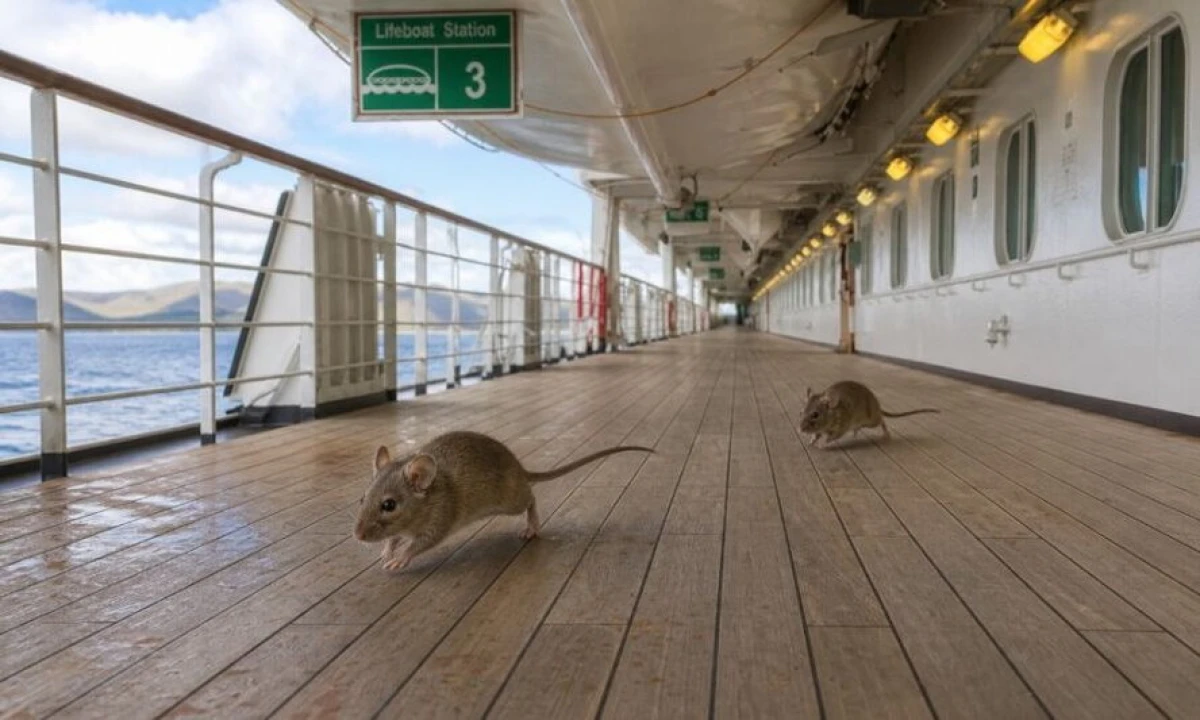
Particular concern is raised by the fact that the carriers of this virus are common gray rats, which are widespread around the world, including Europe and the USA.
WHO Position
Hans Kluge, head of the WHO European Regional Office, emphasized that hantavirus infections are rare and are most often associated with contact with infected rodents.
He also noted:
-
transmission of the virus from person to person is extremely rare;
-
the risk to the general public remains low;
-
there is no reason for panic or travel restrictions.
Why the Virus Is Dangerous
Hantaviruses can cause severe diseases, including:
-
hemorrhagic fever with renal syndrome;
-
cardiopulmonary syndrome.
Infection primarily occurs through inhalation of particles found in dust contaminated with rodent droppings. The risk is particularly high in enclosed spaces.
Currently, there is no vaccine against hantavirus.
Who Is at Risk
According to infectious disease specialist Elena Paretskaya, those most often infected are:
-
middle-aged men;
-
hunters and camping enthusiasts;
-
summer residents opening long-abandoned homes.
Doctors recommend following basic preventive measures: thoroughly washing hands, avoiding contact with rodents, and being cautious when cleaning dusty areas.
The situation on the cruise liner serves as a reminder that even rare infections can pose a serious threat, writes bb.lv. At the same time, the WHO emphasizes that there is no mass danger. The main protection against hantavirus today is vigilance, hygiene, and minimizing contact with potential sources of infection.