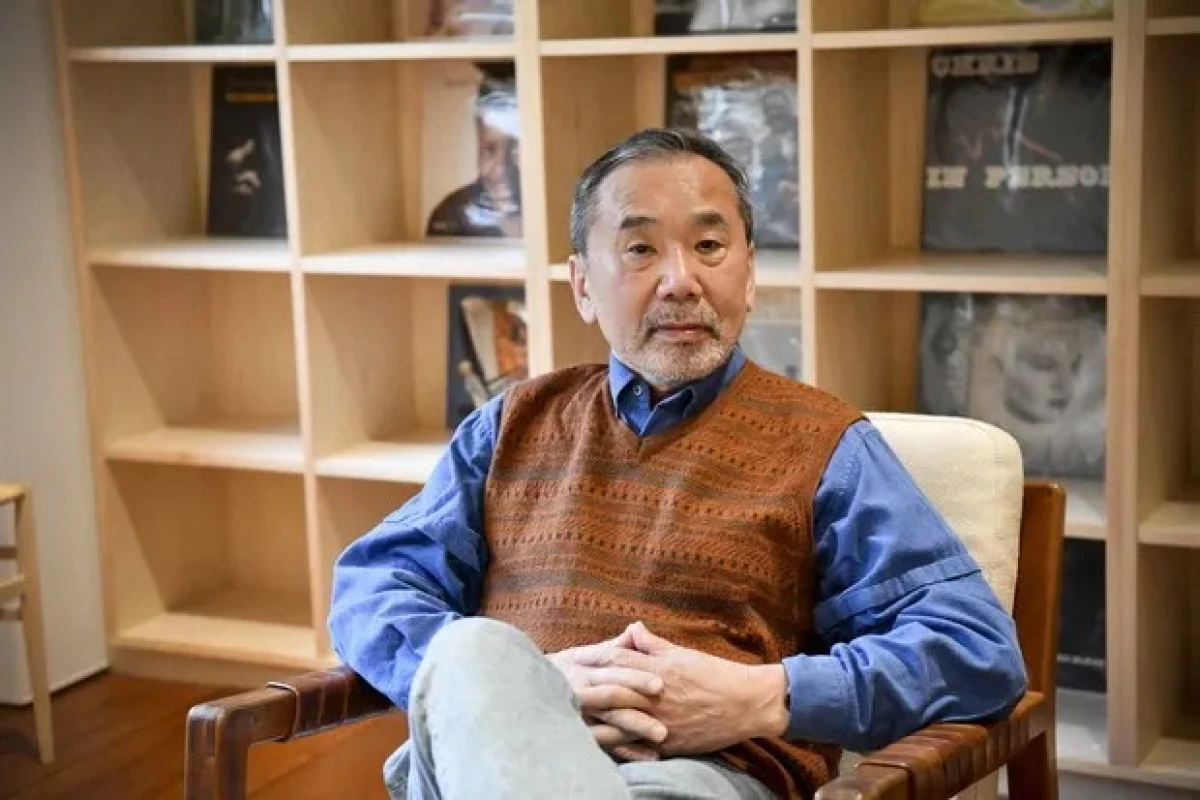
A home is not just a place, but a reflection of one’s inner state. And sometimes it is the guests who show how protected this space is. Haruki Murakami's quote reminds us: it’s not the formalities that matter, but respect for others' boundaries.
There are people who make a home feel warmer: it’s easy, calm, and cozy with them. And then there are those who leave behind fatigue or an inner discomfort that is hard to explain. In such moments, the home becomes a mirror of how the presence of others affects us.
Haruki Murakami clearly articulated the rule: “When you enter, wipe your feet; when you leave, close the door behind you.” This is not just politeness, but about boundaries and respect for others' space.
A home is an extension of one’s inner world, a place where a person remains true to themselves. Therefore, not everyone should easily enter this space. Everyone has a different ability to sense others' boundaries, and sometimes just one visit is enough to understand this.
Who Is Better Not to Invite
-
Those who do not sense boundaries — they behave as if everything around them belongs to them, disregarding the host's rhythm. After them, there is a feeling that the space is “blurred.”
-
Those who bring tension — the conversation may be normal, but there remains a sense of fatigue inside.
-
Those who cannot endure silence — they create constant noise, leaving a feeling of overload.
-
Those who do not respect space — carelessness and indifference to details are felt more strongly than words.
-
Those who leave you “picking yourself apart” — they leave doubts, anxiety, and inner disorder.
Over time, it becomes clear: it’s not only important how the meeting goes, but also what remains after it. A home is sensitive to people, and it’s better to rely on your own feelings.
Not every person is suitable for close space — and that’s okay. It’s important to notice not the words, but the feelings after communication. If fatigue or tension remains after a guest, that is already a signal, as bb.lv reports. A home should restore, not take away resources. And sometimes the best way to maintain harmony is to be more selective about whom to let in.