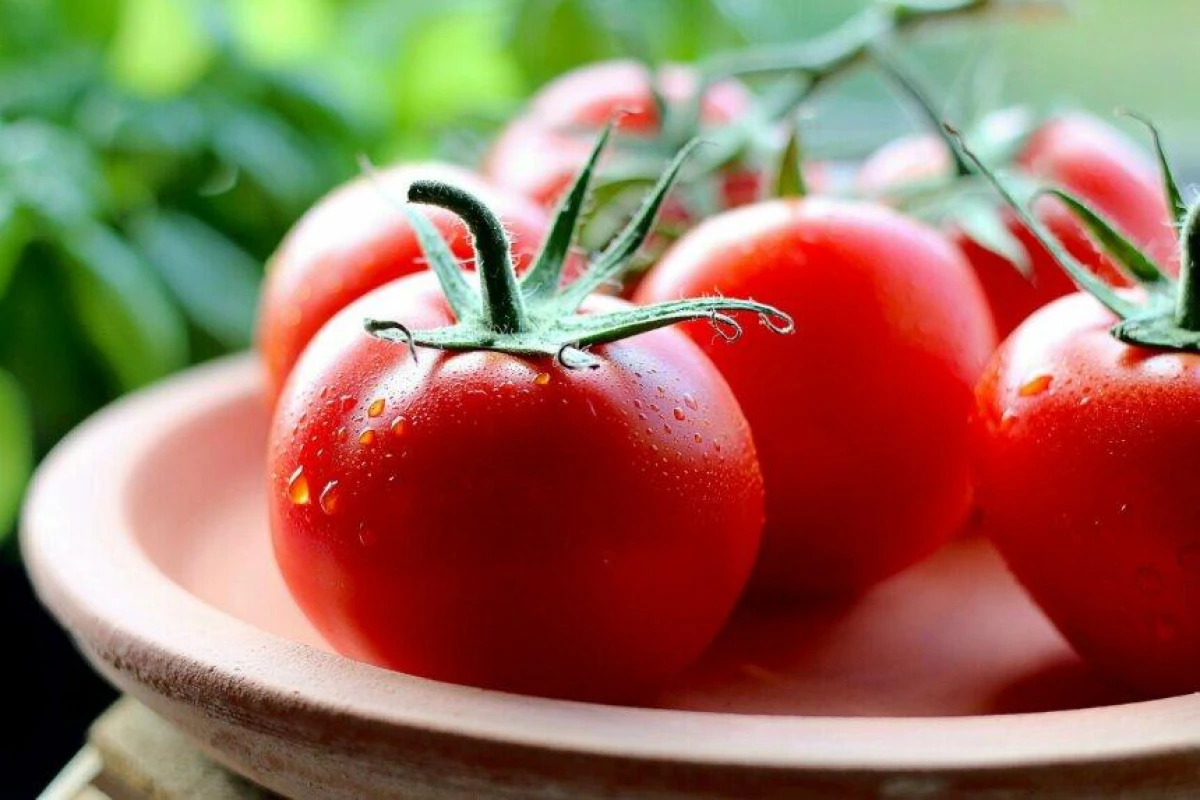
Tomatoes are traditionally considered a healthy product due to their high content of vitamins, antioxidants, and fiber. However, specialists warn that under certain bodily conditions, their consumption may cause undesirable reactions and even exacerbate chronic diseases.
Histamine Reaction and Skin Manifestations
Experts note that tomatoes can provoke the release of histamine — a substance involved in immune reactions. In sensitive individuals, this may manifest as skin redness, itching, rashes, or nasal congestion. Such reactions are not always classical allergies, but they can significantly worsen well-being.
Impact on the Stomach and Acidity
Tomatoes contain organic acids, including malic and citric acids, which can exacerbate symptoms of gastritis, heartburn, and gastroesophageal reflux. This is especially true for concentrated products — sauces, pastes, and ketchup.
Possible Connection to Joint Pain
Tomatoes belong to the nightshade family and contain biologically active substances, including alkaloids. In some individuals with heightened sensitivity, this may trigger increased inflammatory processes and discomfort in the joints, although such reactions are rare.
Risks for the Skin and Individual Intolerance
For some people, regular consumption of tomatoes may intensify inflammatory processes in the skin and provoke rashes. The reasons can vary — from histamine reactions to individual sensitivity to the acids in the product.
Kidney Stones and Oxalates
Tomatoes contain oxalates — substances that under certain conditions can contribute to the formation of kidney stones. For healthy individuals, this is not critical; however, for those predisposed to urolithiasis, it is recommended to monitor the amount of tomatoes in the diet.
Benefits Remain, but Moderation is Important
Despite possible limitations, tomatoes remain a valuable source of antioxidants, including lycopene, which is linked to cardiovascular protection and a reduced risk of several diseases. Specialists emphasize that most negative effects are related either to individual sensitivity or excessive consumption.
...Thus, tomatoes are not inherently dangerous, but when chronic diseases or specific reactions of the body are present, their consumption should be adjusted according to a doctor's recommendations.