
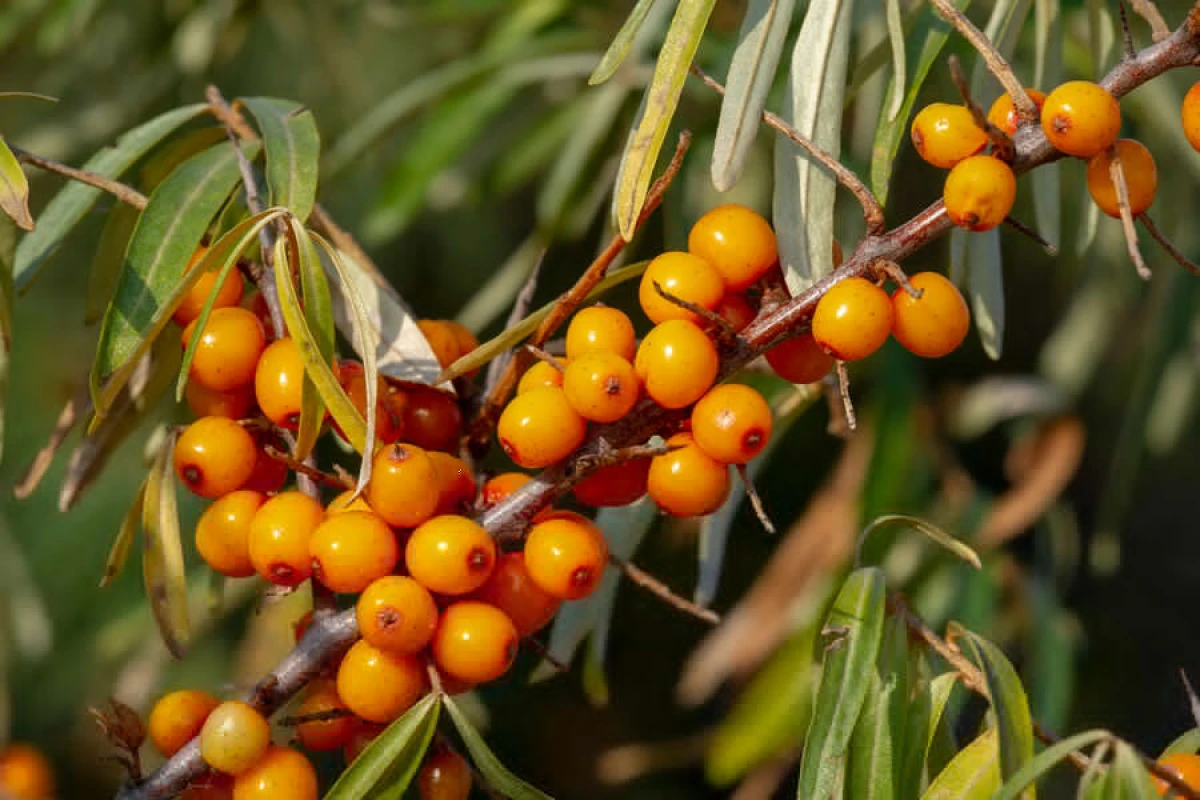
The journal Food & Function reports: the unique combination of sea buckthorn and fructooligosaccharides effectively lowers blood sugar and improves lipid metabolism.
Revolutionary Discovery
Chinese scientists have made an important discovery, establishing that a unique combination of fructooligosaccharides and sea buckthorn can significantly lower blood sugar levels. This remarkable finding also demonstrates improvements in lipid metabolism. The results of their thorough research were published in the prestigious journal Food & Function (F&F).
Animal Study
The experiment was conducted on rats suffering from type 2 diabetes. This condition is characterized by the body's ineffective use of insulin, leading to dangerously high blood glucose levels and subsequent damage to organs and tissues.
Impressive Results
After regular intake of the special supplement, the test animals showed a noticeable reduction in fasting blood sugar levels. Additionally, their blood saw a significant decrease in triglyceride concentration and so-called "bad" cholesterol (low-density lipoproteins), which are closely linked to the risk of cardiovascular diseases.
Secret of Effectiveness: Prebiotics and Sea Buckthorn
The scientists explain that fructooligosaccharides act as prebiotics, meaning they are not digested in the stomach but serve as valuable "food" for beneficial gut bacteria. Sea buckthorn, in turn, is rich in numerous biologically active compounds, including vitamins, powerful antioxidants, and essential fatty acids.
Impact on Microbiota and Metabolism
The researchers emphasize: "The effect is associated with several mechanisms. Firstly, the composition of the gut microbiota—the collection of microorganisms living in the intestines—was altered." They added that "the number of beneficial bacteria, such as Bifidobacterium and Akkermansia, which are linked to normal metabolism, increased, while the number of bacteria promoting inflammation decreased."
Additional Benefits
The supplement also demonstrated the ability to normalize bile acid metabolism. These substances, produced by the liver, play a key role not only in fat digestion but also in the fine regulation of blood sugar and lipid levels. Moreover, the animals showed a noticeable reduction in signs of inflammation, which often accompanies metabolic disorders and significantly exacerbates the course of diabetes.
Prospects for Humans
The authors of the study emphasize that this is still an experiment conducted on animals. Nevertheless, the obtained data convincingly indicate the enormous potential of combining prebiotics and plant components. This could become a powerful foundation for the prevention and additional correction of diabetes in the future.













Leave a comment