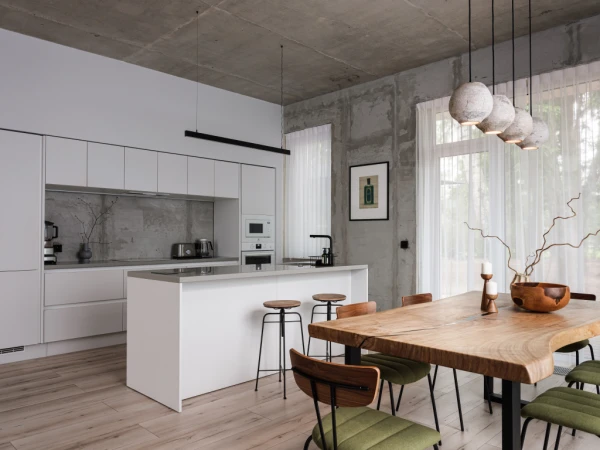
Comfort in the kitchen is formed not only by design but also through thoughtful organization of space. Experts note: most mistakes are made at the planning stage, when priority is given to appearance rather than convenience. As a result, even a beautiful kitchen can turn out to be inconvenient in everyday life.
The Kitchen Should Adapt to Habits, Not Standards
One of the most common mistakes remains the focus on standard solutions. However, universal kitchens do not exist: the layout must take into account the lifestyle of a specific person. Where do you cook most often, how do you store food, how much time do you spend at the stove — all these factors directly affect convenience. Ignoring your own habits leads to even a new kitchen quickly becoming irritating.
The Logic of the Work Zone is the Foundation of Comfort
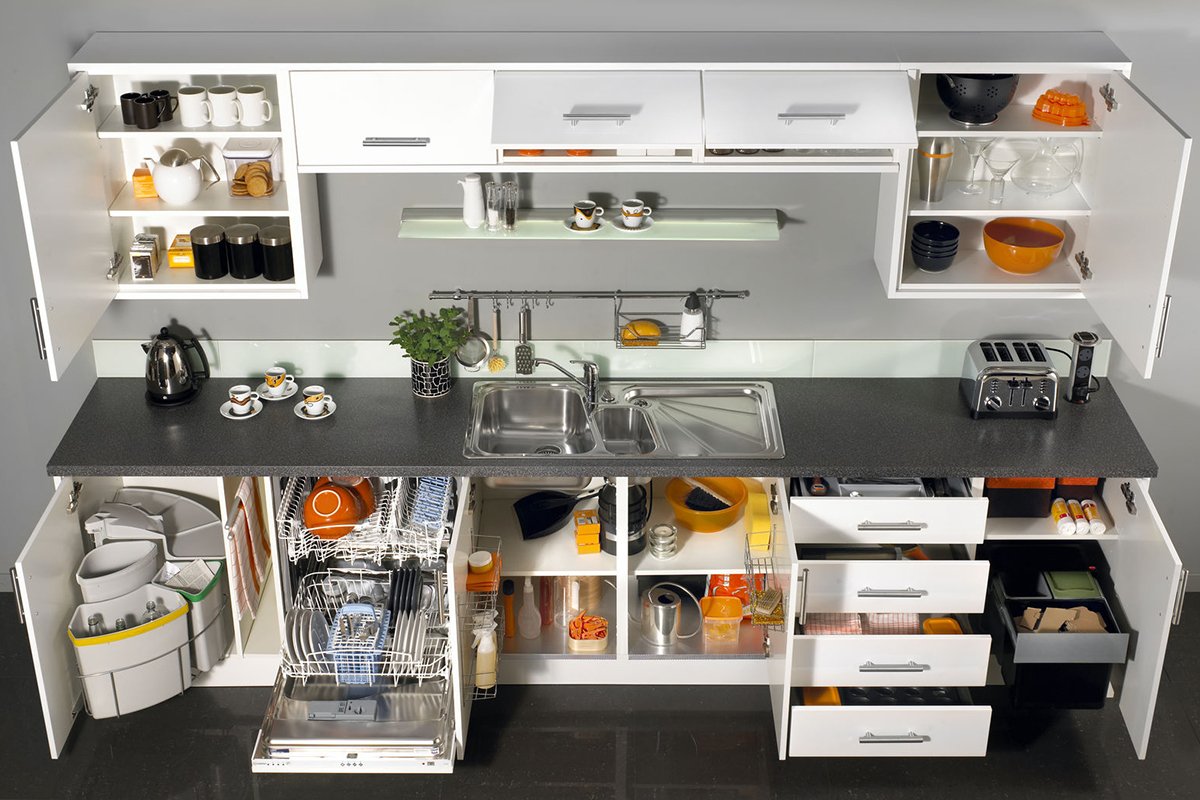
The classic rule of the "work triangle" — refrigerator, sink, and stove — remains relevant. It is important to be able to move comfortably between these zones while maintaining enough space for cooking. It is equally important to consider the distances between furniture and walkways: the kitchen should remain convenient even with drawers and doors open.
Countertop Height Affects Health
An incorrectly chosen height for the work surface creates constant strain on the back. There are no universal standards — the optimal height depends on a person's height. If this aspect is not taken into account in advance, discomfort will be felt daily.
Hidden Storage Areas Solve the Space Shortage Problem
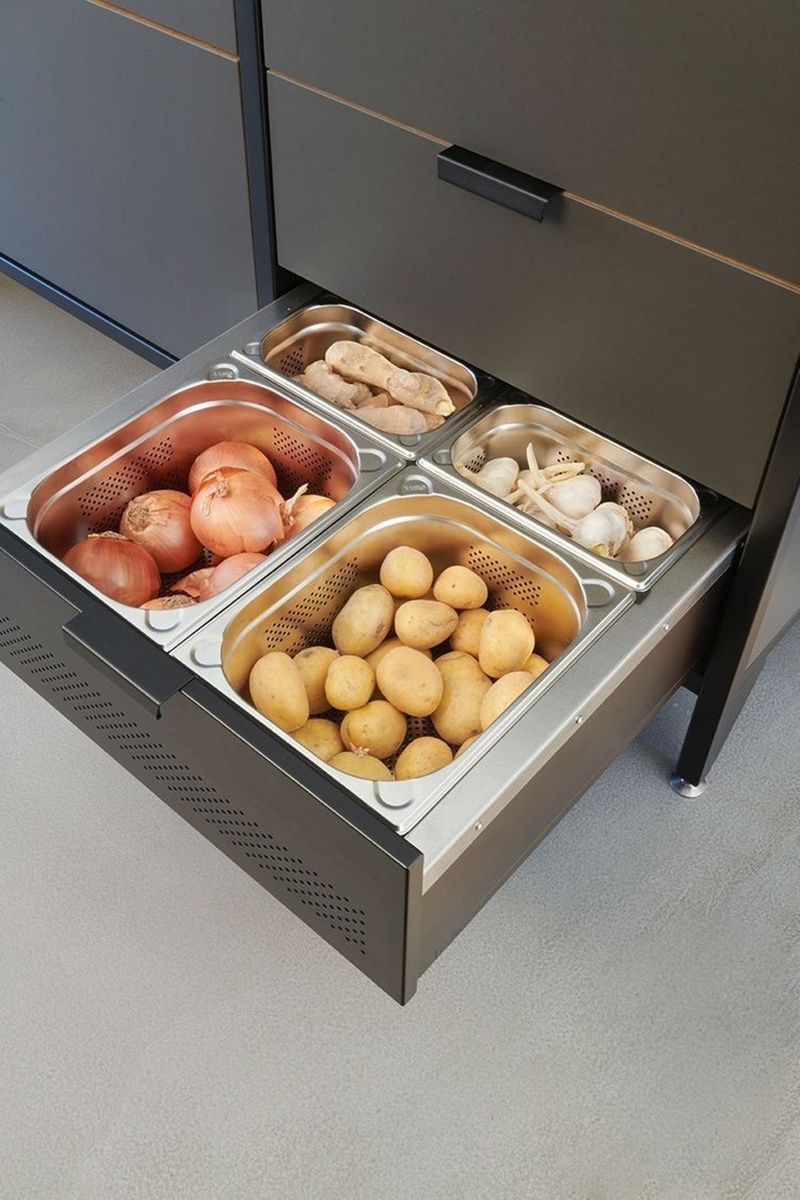
Even in spacious kitchens, there is often a lack of storage space — and the reason lies in unused areas. For example, the space under lower cabinets can be turned into pull-out drawers, and upper cabinets can be extended to the ceiling. This increases usable volume and eliminates visual clutter. Pull-out systems are also more convenient than classic shelves: they allow you to see the contents at a glance and save time.
Corners Are Not a Problem, But a Resource
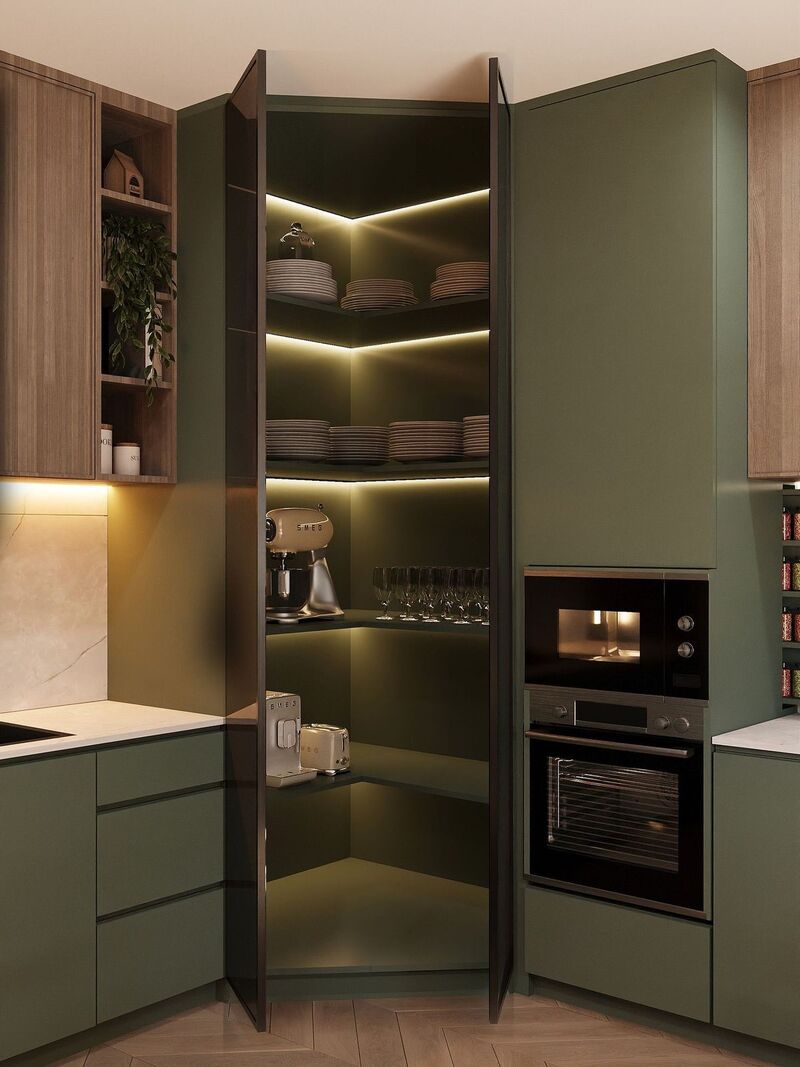
Corner cabinets often remain a "blind spot" where items get lost. However, with proper organization, they can be transformed into a full-fledged storage space. Deep cabinets with easy access or built-in storage systems allow for maximum efficient use of space and can even replace a separate pantry.
Sink Size Matters
A sink that is too compact creates constant inconveniences: from splashes to difficulties washing large dishes. A more practical solution is a single spacious bowl that easily accommodates pots and trays. An additional drying area also helps to free up the work surface.
Lighting Should Be Multi-Layered
One chandelier cannot provide comfortable working conditions in the kitchen. While cooking, a person creates shadows, which makes the work area insufficiently lit. The optimal solution is under-cabinet lighting — it evenly illuminates the countertop and makes the cooking process safer.
A Clean Countertop is a Matter of Organization
Small appliances quickly clutter the workspace. At the same time, many devices are not used daily. Pull-out platforms inside cabinets allow you to hide appliances while maintaining quick access to them. This makes the kitchen visually neater and more convenient to use.
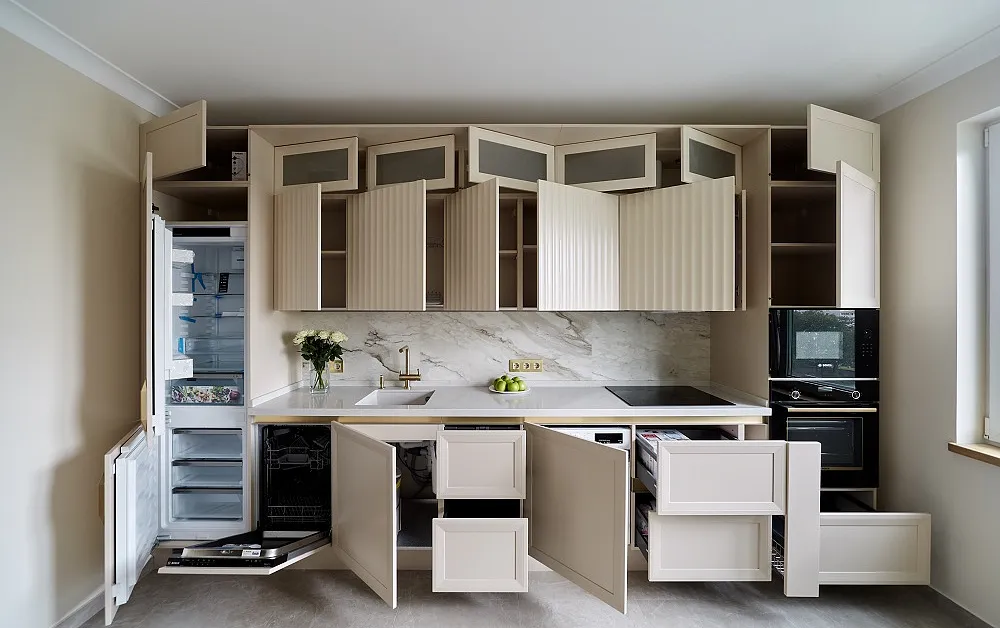
Even the Area Under the Sink Can Be Convenient
The space under the sink is often used chaotically. However, modern solutions allow for maximum effective organization. Pull-out structures that mimic the shape of the sink help neatly arrange household chemicals and accessories, eliminating unnecessary clutter.
...A functional kitchen is the result of a thoughtful approach to details. Convenience is formed not by expensive materials, but by the smart organization of space. The sooner household habits and usage scenarios are taken into account, the more comfortable the kitchen will be in everyday life.