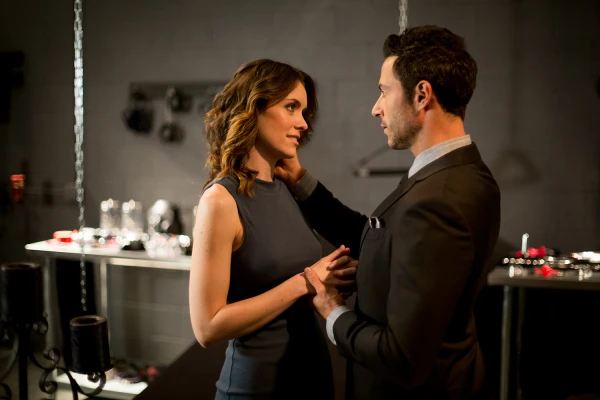
We are used to perceiving cinematic stories as a benchmark of romance, where passion justifies any actions, and the complex character of the hero is merely a reason for rescue. However, behind beautiful plots often lie behavior patterns that lead to painful and destructive relationships in real life.
Why Movies Distort the Concept of Love
On screen, suffering appears deep and alluring. The viewer begins to believe that coldness is mystery, control is care, and emotional instability is a sign of strong feelings.
According to psychologist Elena Zapolskaya, such scenarios shape expectations in which love becomes not an equal partnership but an attempt to "save" a partner.
"Twilight": Control Disguised as Care
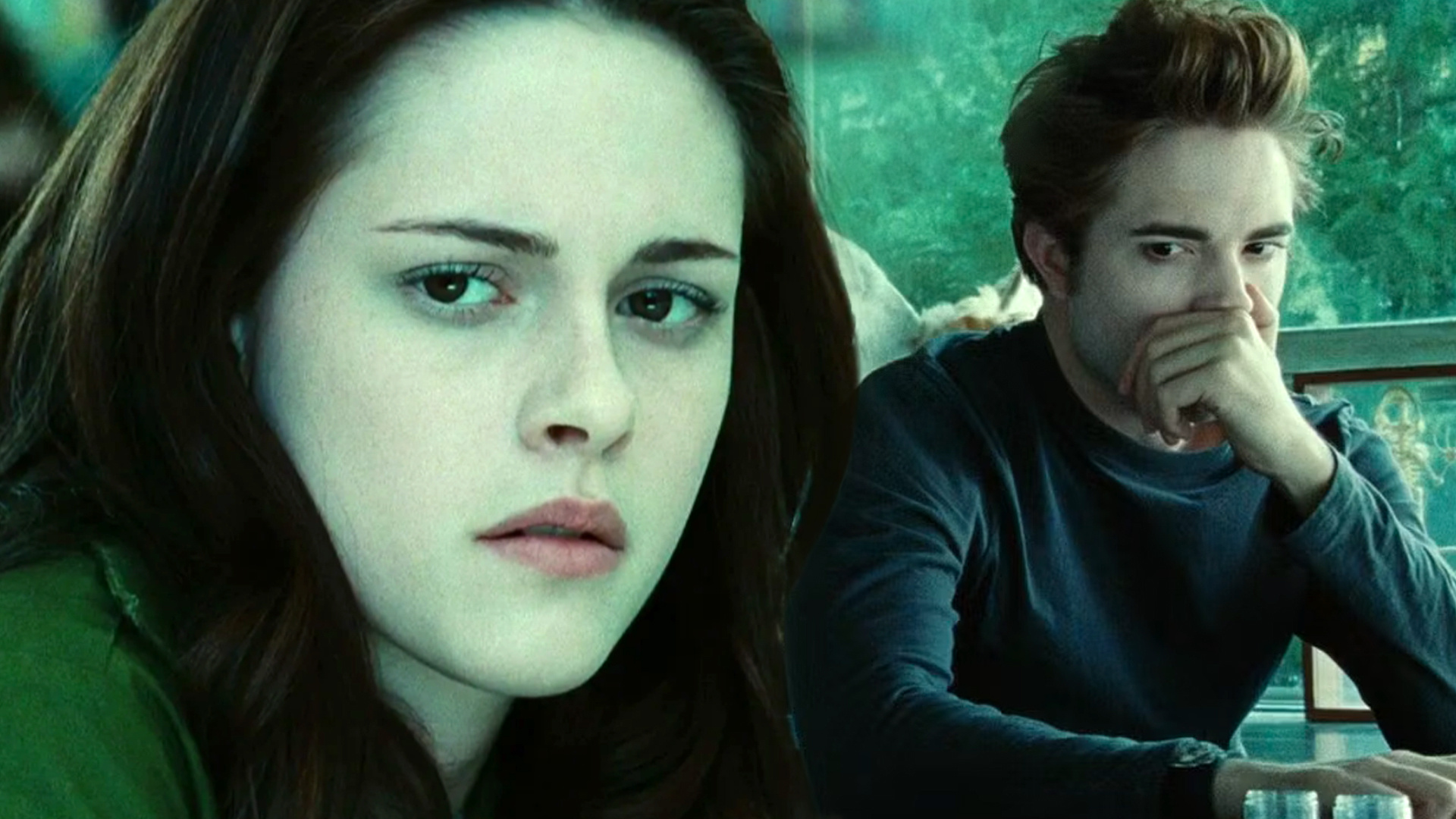
The movie Twilight depicts a relationship where constant surveillance and restrictions are perceived as expressions of love.
The hero controls every action of his partner, intrudes into her personal space, and limits her communication with others. In reality, such behavior patterns lead to isolation and loss of independence.
"Blue Valentine": The Illusion of "I Can Change Him"

In the film Blue Valentine, a scenario is shown where love is perceived as a tool for changing a partner.
The heroine sees not a real person but his "potential," hoping that feelings will help him become different. This leads to disappointment and emotional burnout.
"9½ Weeks": Dependency Instead of Love
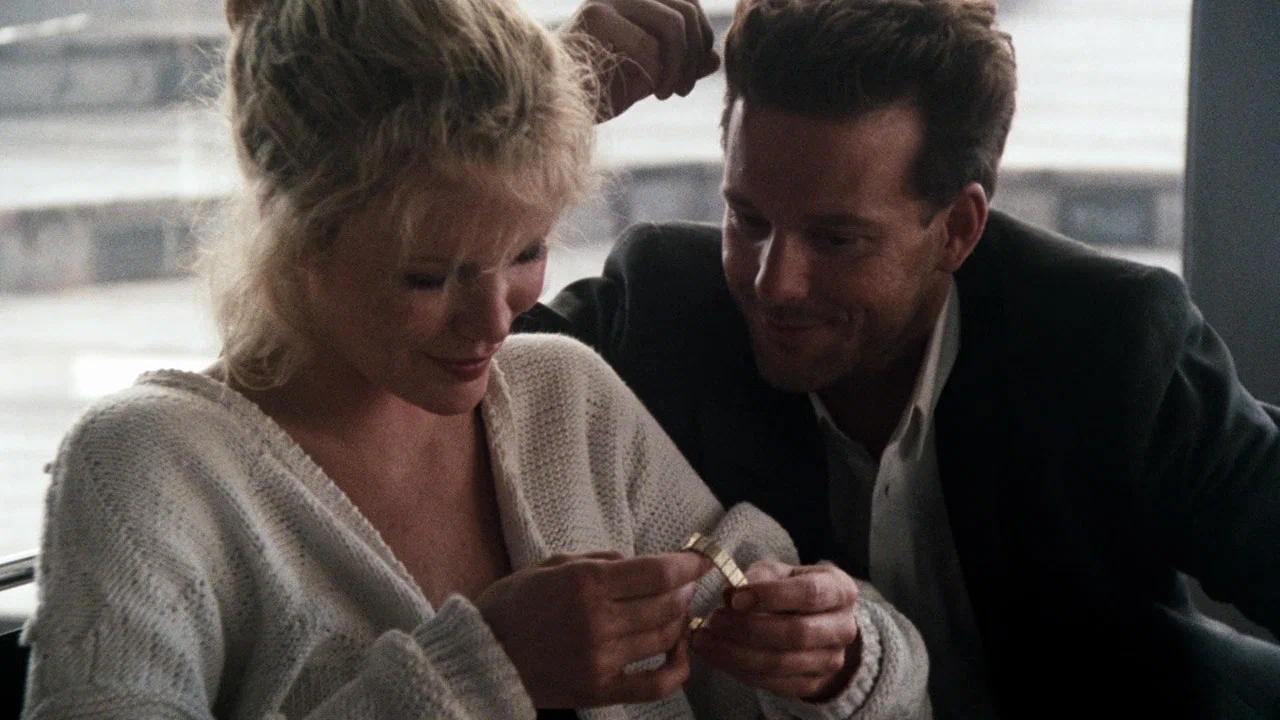
In the film 9½ Weeks, intense relationships are presented as a strong passion.
However, this hides the loss of personal boundaries and emotional dependency, where anxiety is masked as "chemistry."
"A Star Is Born": The Rescuer Syndrome

The plot of the film A Star Is Born demonstrates a relationship in which one partner takes on the role of the rescuer.
Love turns into the obligation to "fix" the other, which ultimately leads to emotional exhaustion.
"Fifty Shades of Grey": Trauma as Justification

In Fifty Shades of Grey, the hero's emotional coldness is explained by his past.
This creates a dangerous illusion that patience and care can "heal" a person, despite boundary violations and pressure.
Why It’s Important to See the Difference
Movies can inspire, but they do not always reflect healthy relationship models. True intimacy is built on respect, trust, and personal boundaries, not on control, dependency, or attempts to "save" a partner.