
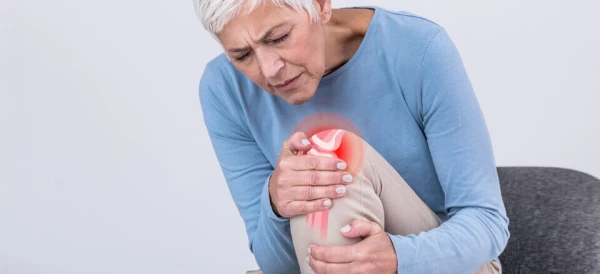
During menopause, many women begin to notice joint pain, stiffness, and reduced mobility. These symptoms can intensify over time and significantly affect quality of life. Specialists explain that the cause often lies not only in age but also in complex changes in the body.
Why Joint Pain Occurs
Menopause is accompanied by significant hormonal changes, primarily a decrease in estrogen levels. These hormones play an important role in maintaining the health of bones, joints, and connective tissues.
When their levels drop, tissue repair processes slow down, while destruction, on the contrary, accelerates. As a result, joints become more vulnerable, leading to discomfort and pain.
However, as specialists note, the issue is not limited to physiology. Pain can be associated with a whole range of factors—from the state of the nervous system to the level of physical activity.
Not Just Hormones: The Role of Stress and Lifestyle
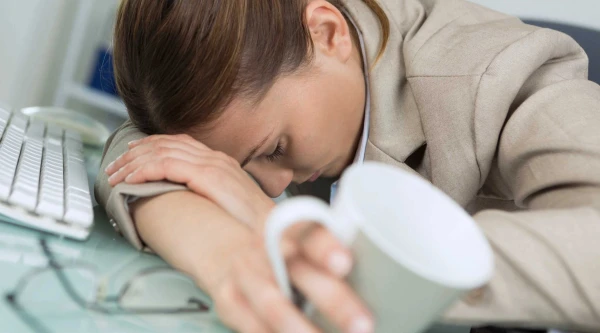
Modern research shows that the intensity of pain is influenced not only by hormonal changes but also by psychological state. Chronic stress, anxiety, insomnia, and emotional exhaustion enhance the perception of pain. The higher the internal tension, the sharper the body reacts to any signals from it. If a woman lives in a state of fatigue and overload for a long time, this can manifest not only in her emotional state but also on a physical level—through muscle spasms, stiffness, and aches in the joints.
How the Problem Manifests
Joint pain during menopause can vary in nature. Most often, women report:
-
morning stiffness
-
a feeling of heaviness and aches
-
reduced mobility
-
discomfort during exertion
Sometimes the symptoms are intermittent and worsen during periods of fatigue or stress.
Additional Risk Factors
In addition to hormonal changes and stress, other factors also affect joint health:
-
sedentary lifestyle
-
excess weight, increasing the load on the joints
-
genetic predisposition
-
accompanying diseases of the musculoskeletal system
All of this can intensify pain syndrome and accelerate the development of degenerative processes.
What Helps Alleviate the Condition
Experts emphasize that the approach should be comprehensive. First and foremost, it is important to restore basic things—sleep patterns, activity levels, and nutrition. Regular movement improves blood circulation and nutrition of the joints, as well as helps maintain muscle tone. Weight control also plays an important role: reducing the load on the joints directly affects pain reduction. In some cases, a doctor may recommend hormone therapy aimed at compensating for estrogen deficiency, as well as additional treatment methods depending on the state of the body.
When It Is Important to See a Doctor
If the pain becomes regular, intensifies, or limits mobility, it is important not to delay a visit to a specialist. Timely diagnosis allows for the exclusion of serious diseases and the selection of appropriate treatment. Ignoring symptoms can lead to deterioration and the development of complications.
...Joint pain during menopause is a common but not inevitable phenomenon. It is associated not only with hormonal changes but also with lifestyle, stress levels, and the overall condition of the body. A comprehensive approach—from adjusting habits to medical support—helps reduce the severity of symptoms and maintain activity for many years.









Leave a comment