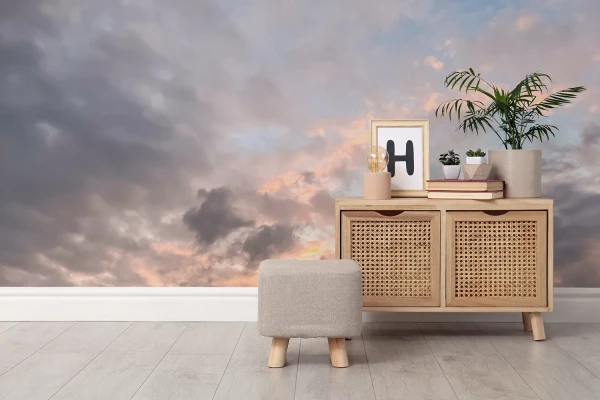
In 2026, interior design undergoes a noticeable shift: strict minimalism gives way to more complex, tactile, and individual solutions. Wallpaper once again becomes a key element in decorating space — not a background, but a full-fledged accent that shapes the mood and style of the interior.
Modern designers are increasingly abandoning sterile and uniform surfaces in favor of materials with pronounced texture and depth. According to experts, walls are no longer a neutral element — they are becoming an active part of the interior, influencing the perception of space.
One of the key directions is biophilic design, focused on natural materials and the feeling of a "living" space. Trendy wallpapers made from unusual components — for example, based on mycelium or recycled algae, as well as coverings using cork, veneer, and clay. Such solutions create a sense of naturalness and visual warmth.
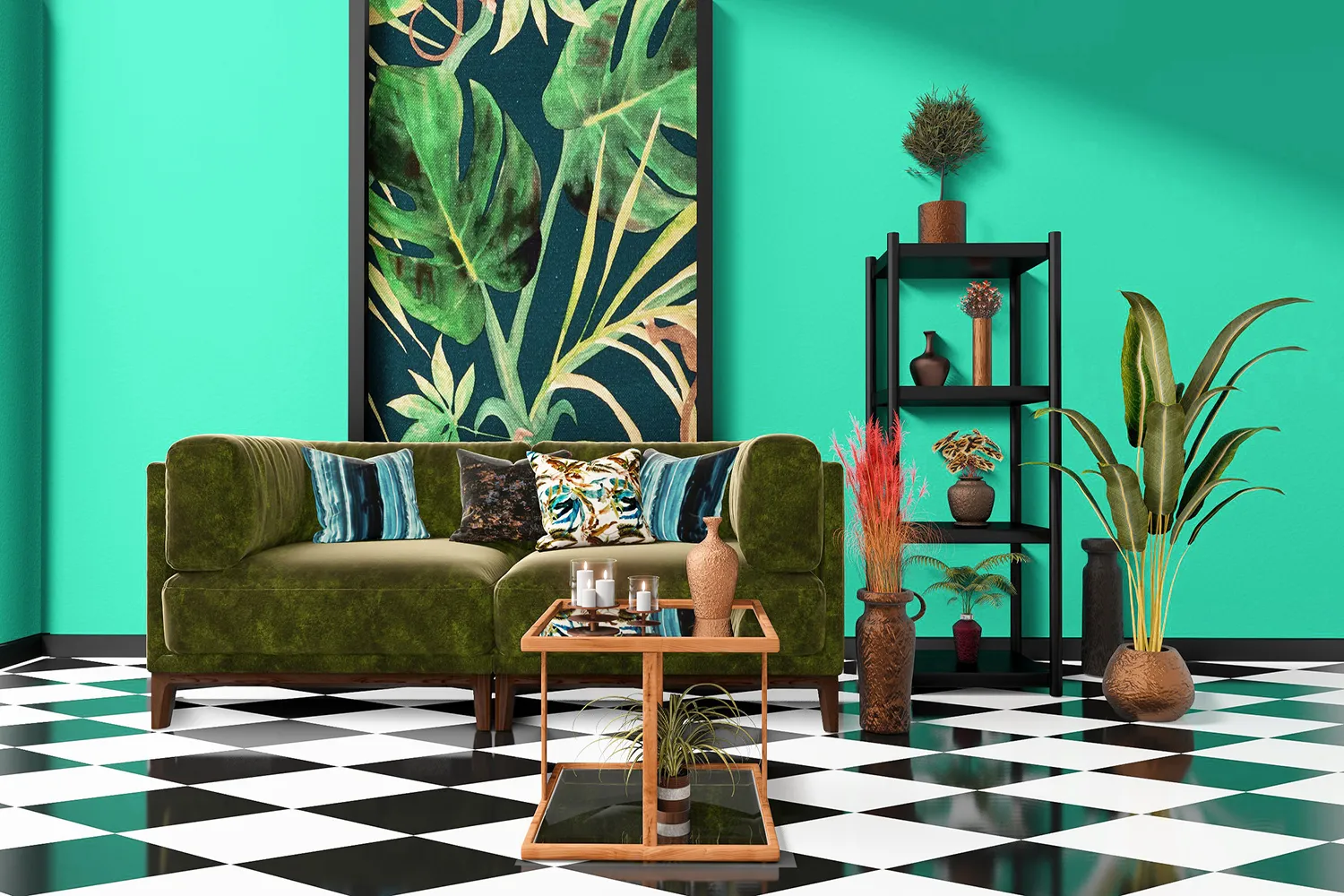
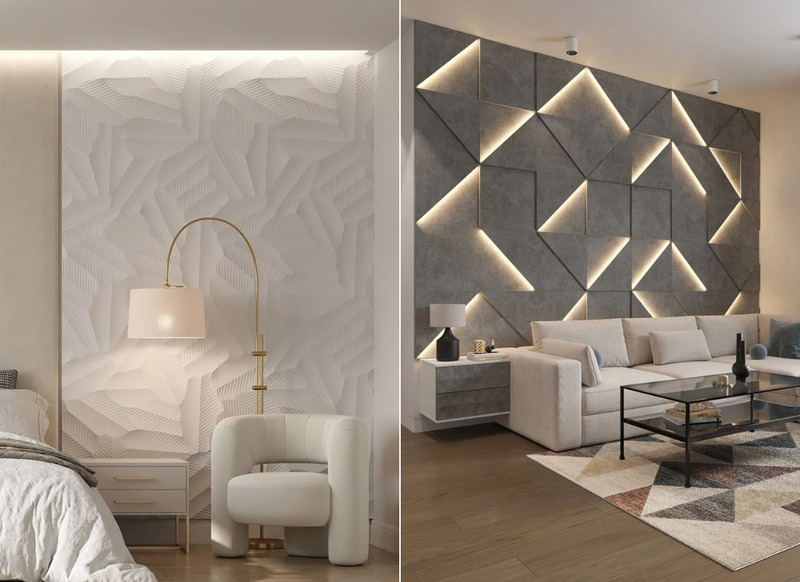
At the same time, the trend towards tactility is developing. Smooth walls are becoming a thing of the past, giving way to textured surfaces. 3D panels with organic shapes, textile wallpapers made from velvet, linen, and wool, as well as coverings with a handmade effect — for example, with imitation crackling or uneven firing — are gaining popularity.
A separate trend is the so-called fidgetal aesthetics, where digital technologies and physical materials are combined. Wallpapers with patterns created by artificial intelligence are appearing in interiors, as well as surfaces with neon elements and built-in lighting. This reflects the influence of digital culture and virtual environments on the design of living spaces.
The color palette is also changing. The trend is a combination of natural and technological shades: warm gray-beige tones, deep green, shades of rust and terracotta, as well as bright accents like electric lavender. This balance allows for the creation of interiors that are both calm and expressive.
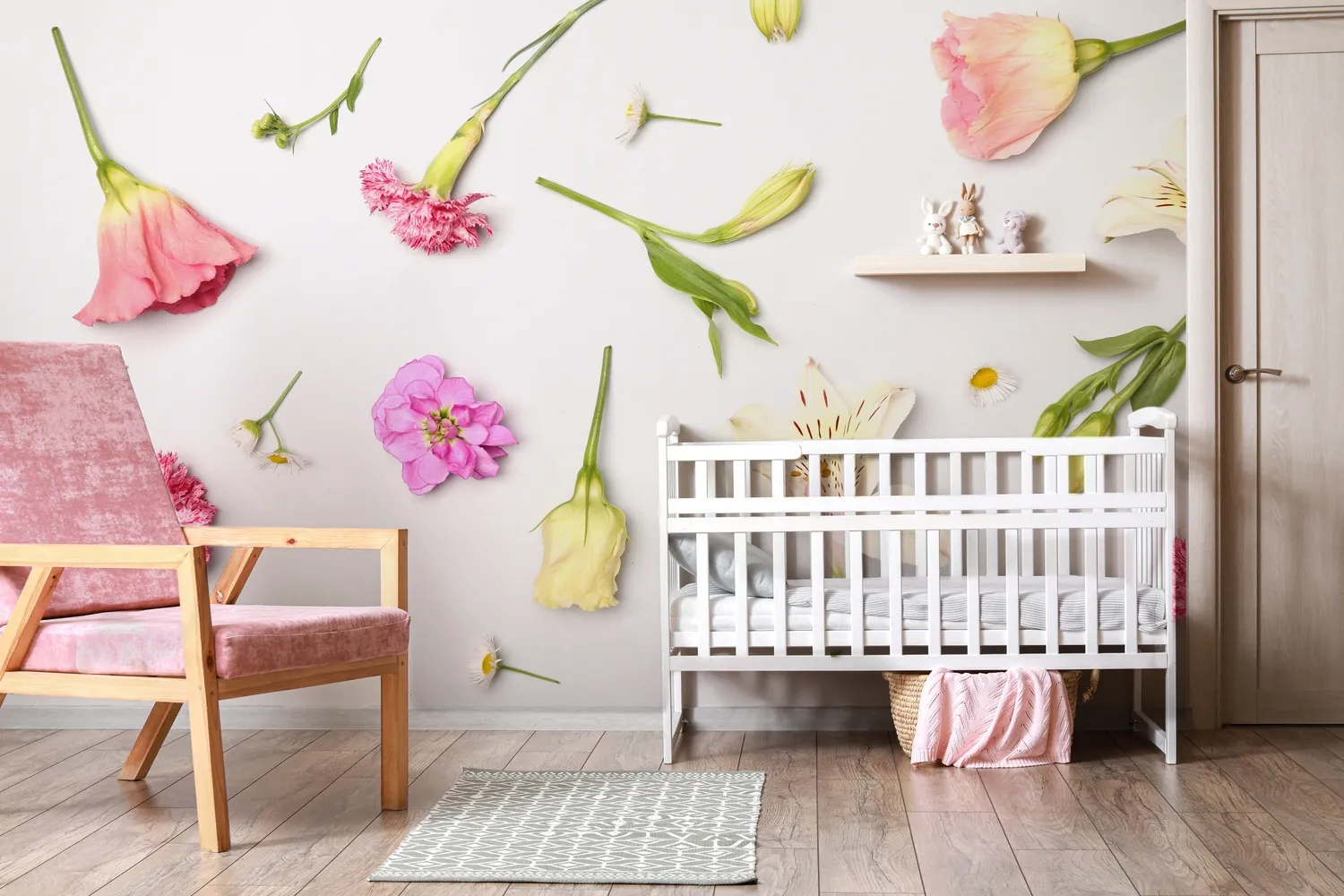
Another important trend is maximum personalization. Universal solutions are taking a back seat to individual projects. Wallpapers with digital printing, custom murals, modular panels, and the combination of different textures in one room are increasingly being used. This approach allows for the adaptation of the interior to the lifestyle of a specific person.
Experts also note the practical side of new trends. In 2026, special attention is paid to the acoustics of the room, the durability of materials, and thoughtful lighting. For example, textile coverings help reduce noise levels, while quality materials last longer and align with the concept of conscious consumption.
Additional market research confirms: the demand for wallpapers that imitate natural textures, such as stone, concrete, or fabric, continues to grow, and accent walls and individual designs are becoming increasingly popular among consumers.
...In 2026, wallpapers finally move beyond decorative backgrounds and become a tool for shaping atmosphere. Designers are focusing on tactility, natural materials, and individuality, offering to create spaces that reflect the owner's character. As a result, walls become not just a part of the interior but its meaningful center.