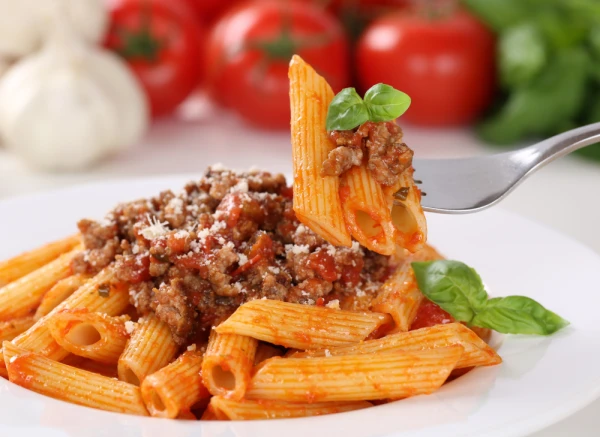
Pasta is a favorite dish for many, but it is commonly believed that it negatively affects blood sugar levels.
Eating pasta several times a week affects blood sugar levels, but it does not always cause sharp spikes. This is stated in the article by Health.
The publication explained how eating pasta several times a week influences blood sugar levels.
1. Pasta May Raise Blood Sugar More Slowly Than Other Carbohydrates
Pasta contains a lot of carbohydrates. This nutrient is broken down in the body into glucose. When you eat pasta, blood sugar levels rise, helping the body produce energy, the author writes.
It is noted that some types of pasta have a protein-starch structure that has less impact on blood sugar levels. They have a moderate glycemic index, which means they slow down digestion and do not cause a sharp increase in blood sugar levels.
A 2023 study published in the journal Foods showed that types of pasta such as fusilli, cavatelli, spaghetti, and penne raise blood sugar levels more slowly than white bread and white rice.
2. Undercooked Pasta Raises Blood Sugar Slowly
Eating slightly undercooked pasta raises blood sugar levels less than fully cooked or overcooked pasta. If cooked for about one to two minutes less than recommended on the package, they will be slightly firmer as the starch is not fully broken down. According to a 2022 study published in the journal Foods, this structure of pasta facilitates digestion and lowers the glycemic index.
3. Overcooked Pasta and Large Portions Raise Blood Sugar Quickly
Eating overcooked pasta raises blood sugar levels faster because the starch is fully broken down and digested quickly. If you eat large portions of pasta, especially overcooked, you also increase the carbohydrate content. Consuming more carbohydrates in a short period leads to a sharper spike in blood sugar levels, the publication states.
4. Eating Cold or Reheated Pasta Raises Blood Sugar More Slowly
When you cook and then cool pasta, you get more resistant starch. Resistant starch is less digestible, which slows the rise in blood sugar levels.
Reheating cold pasta also increases the resistant starch content in the pasta and raises blood sugar levels more slowly. This is stated in a 2020 study published in the European Journal of Clinical Nutrition.
5. Whole Grain Pasta Better Stabilizes Blood Sugar
Whole grain pasta contains more fiber, which helps slow digestion and maintain a more stable glucose level, the author writes.
It is noted that consuming more fiber may also help improve insulin sensitivity and stabilize blood sugar responses over time, especially in people with type 2 diabetes.
6. Pasta Combined with Protein, Fiber, and Fats Slows Glucose Response
What you eat with pasta affects blood sugar levels differently. Combining carbohydrates with protein, fiber, and healthy fats can help stabilize glucose responses and avoid sharp spikes in blood sugar levels after meals.
Soluble fiber found in vegetables forms a gel in the stomach that slows digestion and the rise in blood sugar levels. Protein and fat also help slow digestion and glucose response.
7. Frequent Consumption of Pasta Is Unlikely to Affect Insulin Resistance
If pasta is eaten several times a week, it is unlikely to lead to insulin resistance or problems with blood sugar control.
A 2021 study published by BMJ Publishing Group showed that those who regularly ate pasta instead of fried potatoes or white bread over 16 years did not have an increased risk of developing diabetes.
However, as noted by the publication, the portion size of pasta and the foods you eat with it will also affect diabetes risk and insulin response.
How to Improve Blood Sugar Levels When Eating Pasta
Pasta is a simple source of carbohydrates that can be consumed several times a week. For those who love it, the publication provided several tips to help stabilize blood sugar levels.
-
Do not overcook pasta. During cooking, remove it from boiling water as early as possible and finish cooking in the sauce.
-
Eat whole wheat and lentil pasta: the fiber content in such products will help improve glucose response.
-
Control the amount: a serving of pasta is about 60 g of raw product. It takes up about 1/4 of your plate.
-
Eat pasta with healthy fats, vegetables, and lean protein. Olive oil, broccoli, and chicken breast are good options.
-
Eat pasta after vegetables and protein; this may slow digestion and prevent a rapid rise in blood sugar levels.
-
Eat cold pasta: due to the resistant starch content, the rise in blood sugar will be slower. If you prefer warm pasta, cook it, cool it, and reheat it before consumption.