
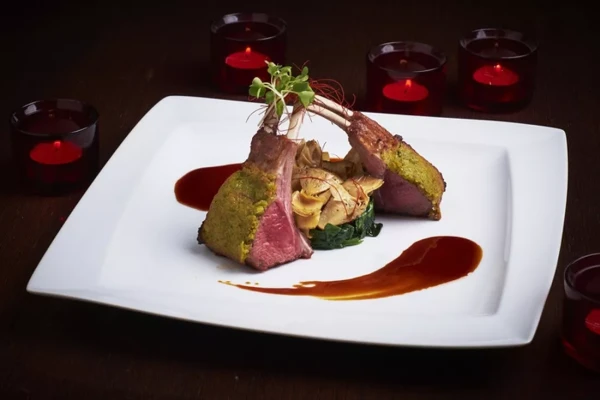
Many believe that restaurant dishes cannot be replicated in a regular kitchen. However, culinary experts assure that it is not so much about rare ingredients or complex techniques, but rather about the approach to cooking. A few basic techniques can significantly improve the taste, texture, and appearance of familiar dishes.
Attention to Detail
One of the key principles of restaurant cuisine is controlling every stage of cooking. Chefs pay attention not only to the recipe but also to temperature, timing, and the sequence of actions.
Even simple dishes can take on a new life if you work properly with the heat, avoid overcrowding the pan, and allow the ingredients to "open up" gradually.
For example, it is important not to flip meat or vegetables too often: the formation of a golden crust enhances flavor and aroma.
Balance of Flavors
In restaurant cuisine, the combination of flavors—sweet, salty, sour, and bitter—is of great importance. Even a small addition of acidity—lemon juice or vinegar—can make a dish more vibrant.
Salt is also used not only at the end but during the cooking process to ensure the flavor is evenly distributed.
Proper Texture
Chefs strive for a contrast of textures: soft with crunchy, tender with firm. This makes the dish more interesting and "complex" in flavor.
For example, crunchy elements—nuts, croutons, or toasted seeds—are often added to a creamy base.
Working with Fat and Aroma
Butter is an important tool in cooking. In restaurants, it is used not only for frying but also to enhance flavor.
A small amount of butter at the end of cooking can give a dish a richer and "smoother" taste. Herbs and spices are also actively used, added at different stages to allow the aroma to develop gradually.
Presentation as Part of the Dish
In a restaurant, the appearance of a dish plays as significant a role as its taste. Neat plating, color contrast, and the cleanliness of the plate create a sense of professional quality.
Even at home, you can improve presentation:
- use simple but neat dishes;
- avoid overcrowding the plate;
- add herbs or sauce as a final touch.
Such details make the dish visually more appealing.
Why This Works
The restaurant approach is built on systematization: every element—from ingredient selection to presentation—works towards the overall result. At the same time, the techniques themselves remain quite simple and accessible for home cooking.
...To cook at home "like in a restaurant," it is not necessary to complicate recipes. Much more important is attention to detail, balance of flavors, working with textures, and careful presentation. These principles allow even familiar dishes to be transformed into more expressive and interesting ones.
















Leave a comment