Oral care today goes far beyond the usual toothbrush and toothpaste. Additional hygiene products—irrigators and tongue scrapers—are actively discussed in stores and social media. However, dentists warn that these tools can be helpful, but they are not mandatory for everyone.
Why You Need an Irrigator
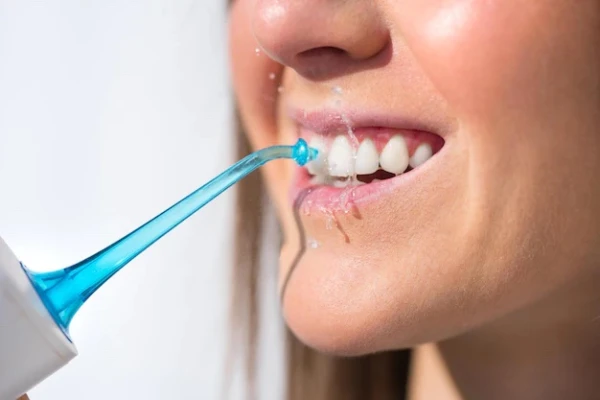
An irrigator is a device that cleans the oral cavity with a stream of pressurized water. Its purpose is to rinse areas that are difficult to reach with a regular toothbrush, such as the spaces between teeth or areas around orthodontic appliances.
At the same time, specialists emphasize that an irrigator cannot replace traditional tooth brushing. It does not remove dense plaque from the surface of the enamel but only helps to eliminate food remnants from hard-to-reach areas.
The device can be particularly useful for people with braces, aligners, crowns, or implants. In such cases, the water stream helps to clean areas around the appliances and reduces the risk of gum inflammation.
Who Should Really Use the Device
According to dentists, irrigators are more often recommended for people:
- with orthodontic appliances;
- with implants, bridges, or crowns;
- prone to gum inflammation;
- with complex tooth positioning.
In a typical situation, regular brushing and flossing are often sufficient to maintain oral health.
What a Tongue Scraper Is For
Another popular tool is the tongue scraper. It is used to remove bacterial plaque that accumulates on the surface of the tongue and can cause bad breath.
Studies show that mechanical cleaning of the tongue does indeed help reduce the number of bacteria and sulfur compounds that cause bad breath.
Additionally, removing plaque can enhance taste sensations and decrease the number of bacteria in the oral cavity.
But It Is Not an Essential Procedure
Despite its benefits, a tongue scraper is not considered an essential element of daily hygiene. Doctors note that the foundation of care remains regular tooth brushing and flossing.
Some specialists also warn that overly aggressive tongue cleaning can damage the mucosa or disrupt the balance of the oral microbiome.
An irrigator and tongue scraper can be useful additions to dental care, especially during orthodontic treatment or when prone to bad breath. However, they do not replace basic hygiene rules.
...Dentists remind us that the foundation of oral health remains regular tooth brushing, flossing, and preventive check-ups with a doctor. Additional tools should be used upon the recommendation of a specialist and taking individual characteristics into account.