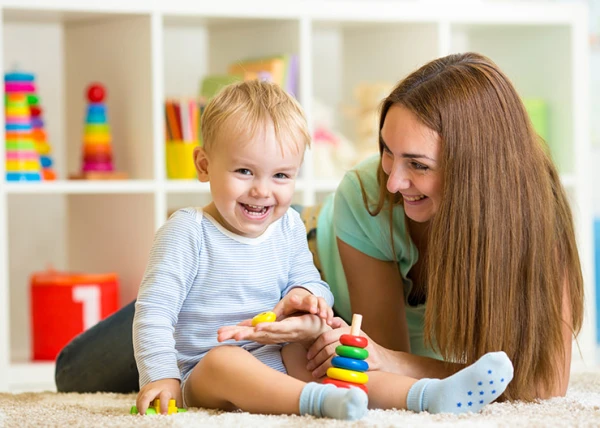
A child's psychological development begins in the first days of life and largely depends on interactions with close adults. Experts note that the decisive factors are not so much material conditions or formal expressions of care, but emotional contact and the stability of relationships.
First Interactions with the World
From the moment of birth, a child begins to actively respond to the surrounding environment and people, primarily to parents or other close adults. These early contacts form the foundation for future social and emotional skills.
Clinical and child psychologist Svetlana Svintsova notes that infants are capable of expressing emotions from the very beginning — interest, joy, surprise, anger, or discomfort. For example, they react to sounds, facial expressions, and the intonation of adults, gradually learning to recognize the emotional signals of those around them.
As the child develops, they begin to use smiles and other reactions as a means of communication, expecting a response from the adult. This is how primary social contact is formed.
The Importance of Emotional Attachment
Modern psychology emphasizes the importance of what is known as attachment — a stable emotional bond between the child and the adult who cares for them.
According to attachment theory developed by psychiatrist and psychoanalyst John Bowlby, the quality of the relationship with the primary adult forms the basis for future emotional development and social connections.
If the adult regularly responds to the child's needs and provides a sense of security, a secure attachment is formed. Such children typically find it easier to establish relationships with others and cope better with stress in the future.
How Early Relationships Affect Personality
Research shows that the nature of attachment influences many aspects of development. Children with secure attachment generally adapt more easily to new demands and limitations, displaying greater activity and confidence in communication.
Moreover, early interactions with close adults shape the child's future expectations in relationships with others. These behavioral patterns can persist into adulthood, affecting the ability to trust and build close connections.
The Role of Environment and Communication
Psychologists also note that the development of the psyche is related not only to the individual characteristics of the child but also to the surrounding environment. Communication, emotional support, and stable relationships help to form a sense of security and self-confidence.
In this regard, it is not individual actions of the parents that are important, but the regularity and emotional involvement. Calm and attentive interaction with the child contributes to the formation of a healthy self-esteem and social skills.
...Experts agree that a child's psyche is primarily shaped through early relationships with close adults. Emotional contact, attention to the child's needs, and the stability of interactions create the foundation for personality development, confidence, and the ability to build relationships in the future.