
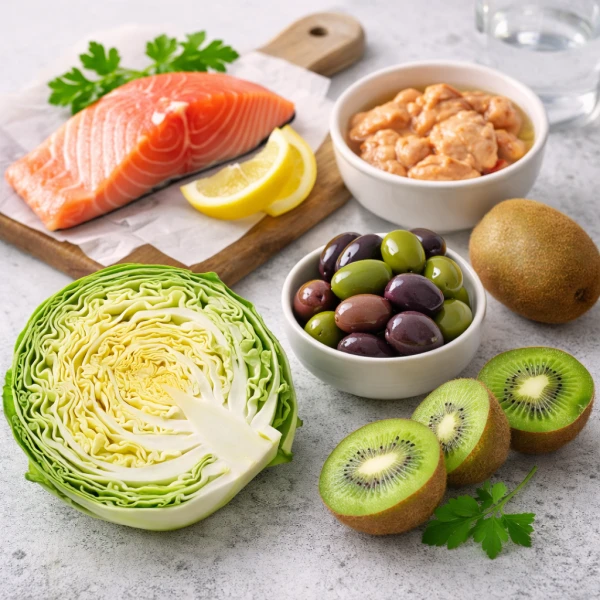
The winter months often affect the condition of the skin: it becomes dry, sensitive, and may show redness and flaking. To restore the skin's healthy appearance by spring, it is important not only to use skincare products but also to reconsider one's diet. Certain foods help strengthen the skin's protective barrier and support its natural recovery.
Expert — Angelina Vodolazkaya, endocrinologist, dietitian, and clinical nutritionist.
Red Fish
Red fish, such as Atlantic salmon, is rich in omega-3 fatty acids and astaxanthin.
In cold weather, the skin barrier becomes more vulnerable, leading to increased moisture loss. Omega-3 helps strengthen the skin's protective layer and supports its recovery. Astaxanthin is a powerful antioxidant that helps protect skin cells from the negative effects of the environment.
Cod Liver
Cod liver is considered one of the richest sources of vitamin D, which is especially important in winter when there is less sunlight.
Additionally, this product contains a large amount of vitamin A, which is necessary for skin renewal and protection from ultraviolet and blue light. However, it is recommended to consume cod liver in moderation.
Cabbage
Seasonal vegetables are particularly beneficial in spring. Cabbage contains vitamins C and K, as well as silicon.
Vitamin C helps maintain skin radiance and is involved in the immune system's functioning. Silicon promotes collagen synthesis, which is necessary for skin elasticity, and is also beneficial for hair and nails.
Olives
Olives are a staple of the Mediterranean diet. They contain hydroxytyrosol, which promotes skin restoration and healing.
The micronutrients found in olives help even out skin tone and maintain its healthy appearance.
Kiwi
Kiwi is a rich source of vitamin C and polyphenols.
These substances enhance the body's antioxidant protection and help the skin resist external factors. Additionally, kiwi contains fiber, vitamin K, and important minerals.
What Else is Important for Skin Health
To restore skin after winter, it is important to maintain adequate hydration levels in the body. Specialists recommend drinking about 1.5–2 liters of pure water per day.
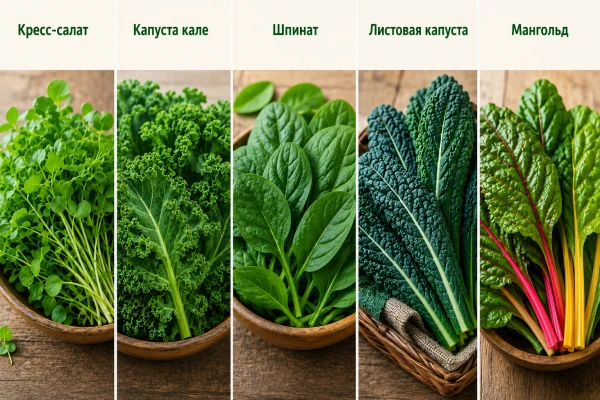
Additional moisture can also be obtained from foods high in water content — such as cucumbers, zucchini, celery, and leafy greens.
During seasonal transitions, taking vitamin and mineral complexes can also be beneficial, but it is advisable to consult a specialist before using them.













Leave a comment