Clean Thursday is one of the most important days of Passion Week, preceding Easter. In the Catholic tradition, in 2026 it falls on April 2, three days before Easter (April 5). This day combines deep evangelical meaning and centuries-old folk customs related to purification — both spiritual and physical.
The Meaning of the Holiday: From the Last Supper to the Day of Purification
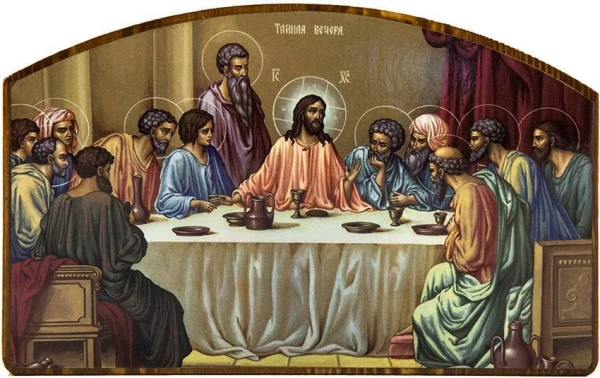
Clean Thursday, also known as Passion or Great Thursday, is associated with the events of the last days of Jesus Christ's earthly life. On this day, churches commemorate the Last Supper — the final meal of Christ with His disciples, during which He washed their feet, demonstrating an example of humility and love.
It was then, according to the Gospel, that Christ established the sacrament of communion — offering the disciples bread as His body and wine as His blood. During that same supper, He told the apostles that one of them would soon betray Him, although He knew who would do it.
From Clean Thursday, the church begins a special focus on the sufferings of Christ: the Passion Gospels are read during services, recounting the last hours of the Savior. The Gospel states that it was on this day that Jesus established the rite of communion — bread as His body and wine as His blood, and also predicted the betrayal of one of the disciples.
Purity as the Main Symbol of the Day
In folk tradition, Clean Thursday is primarily perceived as a day of purification — not only spiritual but also physical. It was believed that Easter should be met in purity: with a clean house, body, and thoughts.
Therefore, it was on this day that active preparations for the holiday began: — cleaning the house, washing windows, doors, and floors — getting rid of old and unnecessary things — finishing important tasks — preparing food for the festive table
There was a belief that along with the garbage leaving the house, all bad things would go away — accumulated problems, failures, and heavy energy. The house would seemingly "reset," making room for the new. At the same time, after the thorough cleaning on Clean Thursday, it was customary not to sweep or wash the floors again until Easter — to avoid disturbing the peace of Good Friday.
Dawn Bathing and "Silver Water"
One of the most enduring rituals of Clean Thursday is bathing at dawn. It was said that if one bathed before sunrise, they could maintain their health for the entire year. The water on this day was believed to possess special power — it was thought to wash away not only dirt but also illnesses, fatigue, and negativity. Ideally, people tried to visit the bath early in the morning, but regular water procedures — a shower or bath — were also acceptable. This is also connected to the custom of "silver washing": a silver coin, spoon, or ornament was placed in the water, and then one would wash their face with this water. It was believed that such a ritual brings beauty, health, and protection. Sometimes on this day, people would trim their hair — for themselves, their children, or spouses. The haircut symbolized renewal and getting rid of everything unnecessary.
Purity of the Soul: Thoughts and Atmosphere in the Home
Internal purity was considered equally important. During cleaning and especially while preparing food, it was recommended to think only of good things, not to get angry or quarrel. It was believed that negative thoughts could "soak" into the food and the atmosphere of the home. Therefore, housewives tried to maintain calmness, and church candles were lit in the house — as a symbol of purifying the space. Clean Thursday is a day when it is important to avoid quarrels, irritability, and any bad thoughts. People believed: the mood in which you spend it will determine the year to come.
Easter Baking and Table Preparation
One of the main tasks of this day was preparing Easter treats. In the morning, dough was set, and closer to the evening, they began baking kulich and preparing paskha, as well as dyeing eggs. There was a belief: the quality of the kulich would determine the year ahead. If the baking turned out well — the year would be prosperous; if not — difficulties were to be expected.
It was on Clean Thursday that people tried to complete all preparations for Easter. It was considered undesirable to postpone such tasks to Good Friday.
What Not to Do on Clean Thursday
This day is also associated with many prohibitions. First and foremost, one should not: — quarrel, argue, or think negatively — lend or give away things from the house — it was believed that one could "give away" their prosperity along with them — postpone preparations for Easter to the following days Clean Thursday should pass in tranquility, focus, and inner composure.
Thursday Salt: A Protective Charm from Folk Tradition
A special place in folk customs is occupied by the so-called "Thursday salt." It was heated in a pan until dark, sometimes collecting salt "by the pinch" from acquaintances — preferably from prosperous and happy people. Then the salt was blessed in church and used as a protective charm: — sprinkled at the threshold of the house for protection — added a little at the head of the bed for peace in the family — thrown a pinch after a person leaving following a quarrel It was believed that such salt possesses purifying and protective properties.
Folk Omens: About Money, Weather, and Luck
Many omens are associated with Clean Thursday, especially practical and domestic ones. It was believed that if: — money was counted three times (in the morning, afternoon, and evening), there would be no financial losses throughout the year — coins were added to the water for cleaning, there would be abundance in the house Weather omens also played an important role: — rain — for prolonged damp weather — sunny day — for a warm and early spring — changeable weather — for drought — warm and cloudy — for a good harvest
A Day Where Faith and Tradition Unite
Clean Thursday is a rare combination of deep Christian meaning and folk wisdom. On one hand, it is a day of remembrance of the Last Supper and the establishment of communion. On the other hand, it is a moment when a person strives to bring order to everything: in the home, body, thoughts, and life. That is why this day remains one of the most significant in the lead-up to Easter — not only as a religious date but also as a symbol of renewal, purification, and inner preparation for the main Christian holiday.