Sizes, materials, and structure – how to choose a menstrual cup? What to pay attention to when buying? It's not as complicated as it seems at first glance! In the article, norma-media broke it down step by step.
What is a Menstrual Cup?
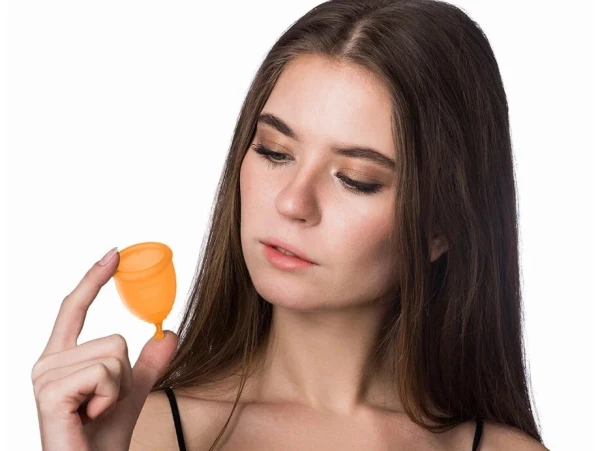
A menstrual cup is a reusable hygiene product. It is shaped like a small bell with a tail and is designed to collect, rather than absorb, menstrual flow.
Pros and Cons of Menstrual Cups
Pros
-
Savings. Lasts up to ten years
-
Eco-friendliness. Significantly reduces waste
-
Long-lasting protection. Can be safely used for up to 12 hours
-
Convenience. Not felt inside when properly positioned
-
Natural. Does not disrupt the microflora.
Cons
-
Adaptation period. Requires skill in insertion and removal
-
Hygiene necessity. Must have the ability to wash hands and the cup itself
-
Individual contraindications. Not recommended for those with pelvic wall prolapse, certain types of intrauterine devices (IUDs), or severe sensitivity.
How to Choose a Menstrual Cup?
When purchasing a menstrual cup, several parameters should be considered. Let’s break down each aspect separately.
-
Size
-
Softness
-
Material.
How to Determine Size?
The main parameter by which menstrual cups differ is length and diameter. They come in two types: regular and short.
Short cups are designed for a low-positioned cervix, while regular ones are for medium and high cervixes. Incorrect selection will lead to discomfort.
What Sizes of Menstrual Cups Are Available?
Regular
Size S
Approximate length: 43-50 millimeters
Approximate volume: 15-20 milliliters.
Size M
Approximate length: 48-52 millimeters
Approximate volume: 22-28 milliliters.
Size L
Approximate length: 52-55 millimeters Approximate volume: 30+ milliliters.
Size XL
Approximate length: 55+ millimeters Approximate volume: 40+ milliliters.
Short
Size S
Approximate length: 35-37 millimeters
Approximate volume: 15-17 milliliters.
Size M
Approximate length: 38-40 millimeters
Approximate volume: 18-20 milliliters.
Size L
Approximate length: 41-43 millimeters
Approximate volume: 22-24 milliliters.
Size XL
Approximate length: 44-46 millimeters
Approximate volume: 27-29 milliliters.
When choosing different models, sometimes it is not advisable to rely on letter designations: the measurements can vary. It is better to pay attention to the numbers.
How to Understand Which Menstrual Cup is Right for You?
Smaller (size S, sometimes M)
-
Girls under 25-30 years old
-
Those who have not given birth
-
With a low cervix
-
With light or moderate flow.
Larger (sizes M, L, or XL)
-
Girls over 30 years old
-
Those who have given birth
-
With a high cervix
-
With heavy menstruation
-
If the size S menstrual cup leaks.
How to Determine Softness?
Soft. Suitable if you have weak pelvic floor muscles or increased sensitivity.
Medium. Chosen by most girls. They are considered universal.
Stiffer. Comfortable during active activities: sports, dancing, traveling.
Thanks to menstrual cups, you can comfortably engage in activities and travel!
How to Determine Material?
Medical silicone. The most common option. Hypoallergenic, odorless.
TPE (thermoplastic elastomer). Safe and soft.
Natural latex. The least common.
How to Choose a Menstrual Cup? In Summary
-
Decide on the size. If you are buying for the first time, take a couple of options to compare.
-
Choose the appropriate softness. Most likely, it will be medium level if you have weak muscles or are not going to exercise.
-
Decide on the material: silicone, elastomer, or latex. - more details at