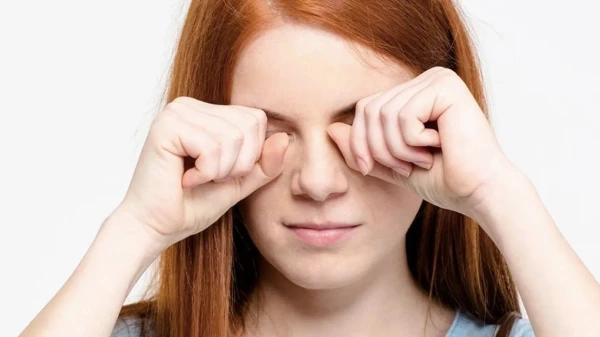
We tend to think of stress as something temporary: a challenging project, a conflict, fatigue. But for the body, stress is not an emotion, but a biochemical process. And if it becomes chronic, the body enters survival mode.
“In this mode, the priority is not beauty or youth, but energy conservation. That’s why prolonged tension ages faster than the calendar,” says Anastasia Pantus, a physician and aesthetic cosmetologist.
When Anxiety Becomes Physiology
Any stress triggers the release of cortisol and adrenaline. In the short term, this is beneficial: concentration increases, reaction speeds up, and the body mobilizes. But if the tension doesn’t end, high cortisol becomes the background.
“Chronically elevated cortisol gradually alters metabolism. Collagen synthesis decreases, protein breakdown increases, insulin sensitivity is impaired, and inflammation levels rise. The body starts to expend resources faster than it can replenish them,” explains Anastasia Pantus.
On the outside, this looks like “sudden aging”: you notice a dull complexion, puffiness, the appearance of fine wrinkles, and a decrease in overall skin tone. And you wonder: what’s wrong with me?
Skin as a Mirror of Hormonal Imbalance
“Cortisol directly affects the skin. It suppresses the activity of fibroblasts — the cells that produce collagen. At the same time, glycation processes increase, causing fibers to lose elasticity,” emphasizes the expert.
Moreover, chronic stress negatively impacts blood vessels, increasing their permeability and disrupting lymphatic drainage. As a result, we see a puffy, tired face in the mirror, along with treacherous breakouts on the skin, as it becomes hypersensitive.
If even after the weekend you look like you’ve been working day and night, and your usual skincare routine “isn’t working,” it may not be a cosmetic issue but a hormonal one.
Metabolism in Wear and Tear Mode
But chronic stress affects not only the skin. Under the influence of cortisol, the body begins to conserve energy and store it as fat, especially in the abdominal area. That’s where those treacherous folds come from!
At the same time, the sensitivity of cells to insulin decreases. This creates conditions for insulin resistance and chronic inflammation.
“Inflammation is one of the key factors of premature aging. It accelerates collagen breakdown, worsens vascular function, and slows down tissue regeneration,” explains Anastasia.
You may feel constant fatigue, even if “nothing special is happening.” This is a sign that internal resources are being expended faster than they are being replenished.
Nervous System and Sleep: A Vicious Circle
Chronic stress disrupts the production of serotonin and melatonin. Falling asleep becomes increasingly difficult. And when sleep does come, it is restless and superficial. In the morning, you don’t feel refreshed.
Without deep sleep, recovery processes are not activated, growth hormone production decreases, and full detoxification does not occur. You age faster.
How to Understand That Your Body Is Already in Wear and Tear Mode
The signals accumulate gradually:
— constant fatigue in the morning,
— difficulties falling asleep,
— weight gain without changes in diet,
— decreased skin elasticity,
— frequent inflammations,
— brittleness of hair and nails.
All these symptoms may indicate that you are living on the edge. It’s important to understand that this is not the “norm of adult life,” but signs of adaptive exhaustion.
Returning from Survival Mode
How to fix the situation?
The first step is to restore circadian rhythms. It’s better to go to bed before 11 PM. Before sleep, exclude gadgets and bright light — social media can wait. A walk, listening to quiet music, or reading a paper book can be beneficial.
Meditation and breathing practices reduce anxiety and stress, helping to stabilize your internal state.
Sometimes nutritional support for the nervous system is required, but be sure to consult a doctor before taking any supplements.
In complex situations, working with a psychologist can help.
Youth is not just an age on a passport. It’s the body’s ability to recover. If the body is constantly in a state of anxiety, it ages faster. But as soon as you regain sleep and balance, the body gradually comes out of the exhaustion mode.