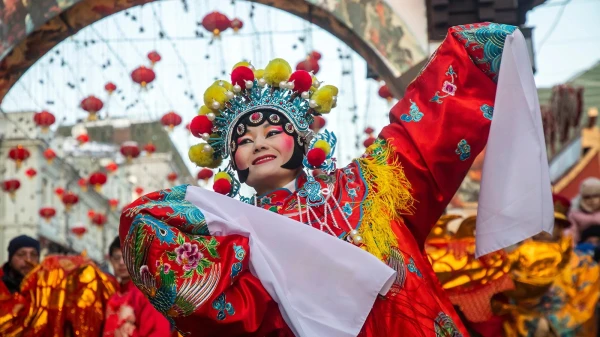
The Chinese New Year (also known as the Lunar New Year) is the main traditional holiday in China and one of the largest holidays in the world. It is a whole festive period that lasts two weeks and includes family dinners, rituals, street festivals, visits to relatives, and the exchange of symbolic gifts.
The date of the holiday changes every year because it is tied to the lunar calendar. Because of this, the New Year can fall on different dates and even different months. The holiday has a clear structure: from preparation and the meeting of the New Year to the final Lantern Festival, which officially concludes the festive celebrations, writes norma-media.
In this material, we will figure out when exactly the Chinese New Year begins, how long it lasts, how it is celebrated, and what meanings lie behind the main traditions.
When the Chinese New Year Begins and Why the Date Changes
The date of the holiday falls on the second new moon after the winter solstice (after December 21). That is why it shifts every year and can fall either at the end of January or in February. Hence the confusion. But the answer to the question of which month it should be celebrated in is very simple: it all depends on the lunar cycle.
When is the Chinese New Year in 2026
In 2026, the Chinese New Year falls on February 17 – this is the day the new lunar year begins and the main celebrations start.
The official holidays in China will last from February 16 to 22, but it does not end there. Traditionally, the festive period lasts for 15 days and concludes with the Lantern Festival, which in 2026 falls on March 3. This day is considered a symbolic finale of the New Year celebrations.
Why January 1 is Not the Main New Year in China
January 1 is also celebrated in China – it is the official calendar New Year, but it is quite calm and without large-scale events. The true beginning of the year is considered to be the lunar New Year: with family dinners, rituals, visits to relatives, and street festivals. All key symbols, rites, and expectations of good fortune for the coming year are tied to this date.
History of the Holiday: From a Rural Ritual to the Main Event of the Year
The history of the Chinese New Year spans more than three and a half thousand years. Initially, it was not so much a holiday as an agrarian ritual associated with agriculture. People thanked the gods and the spirits of their ancestors for the past harvest and asked for protection and well-being for the next agricultural cycle. Essentially, it was a moment of "resetting" the year, when the old was completed, and the new was just beginning.
In ancient China, the New Year was closely linked to ancestor worship: it was believed that during these days, the spirits of the family returned home, so it was important to tidy up, prepare treats, and spend time together. Hence the tradition of large family dinners, which are still considered the main event of the holiday.
Over time, as most of the population began to concentrate in cities, religious and agricultural meanings gradually intertwined with folk customs, and the holiday itself transformed into a large-scale cultural event – with fairs, parades, theatrical performances, and mass festivities.
The Legend of the Nian Monster and the Origin of New Year Traditions
The most famous legend associated with the origin of New Year customs is the story of a monster named Nian (年), which literally translates to "year." According to legend, once a year, Nian would emerge from the sea (or from the mountains, depending on the version of the legend) and attack villages, destroying homes and frightening people.
Over time, the villagers noticed that the monster was afraid of three things:
-
loud noises
-
fire
-
the color red.
To protect themselves, people began to light bonfires, throw bamboo into the fire (which crackled loudly – the prototype of modern firecrackers), and decorate their homes with red ribbons and fabrics. Later, lanterns, fireworks, and red banners with wishes for good fortune were added, which are hung on doors and walls.
According to legend, after this, Nian never returned, and the rituals became an essential part of welcoming the New Year. Today, they are perceived not as protection from a monster, but as a symbol of expelling all that is bad, cleansing the space, and attracting good fortune into the home.
Why These Traditions Are Still Alive Today
An interesting point: even when people long stopped believing in monsters, the rituals themselves did not disappear. The color red is still considered a symbol of happiness and protection, fireworks are a way to cleanse the space of the misfortunes of the past year, and noise and light are signs that the home is open to new and good things.
Therefore, the Chinese New Year is not just about fun and beautiful decorations. Behind all these lanterns, firecrackers, and red envelopes lies the idea of transitioning from the old cycle to the new, bidding farewell to the past, and attempting to start the year with a clean slate – both in a literal and symbolic sense.
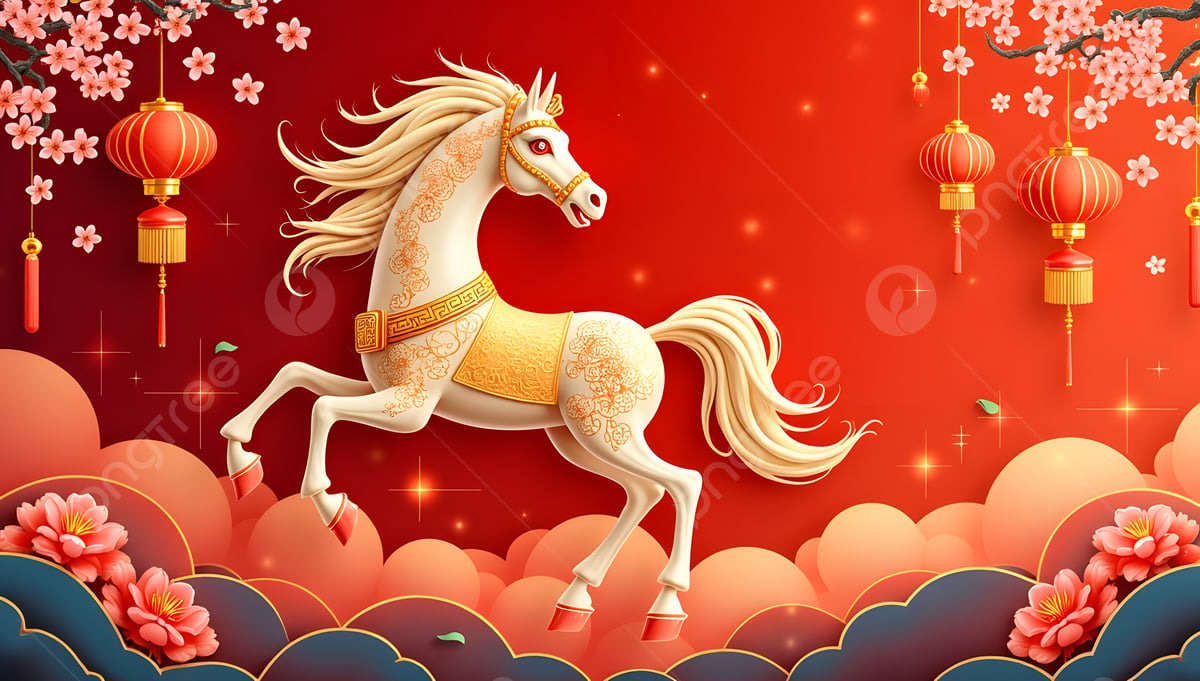
Symbol of the Year 2026: The Red Fire Horse
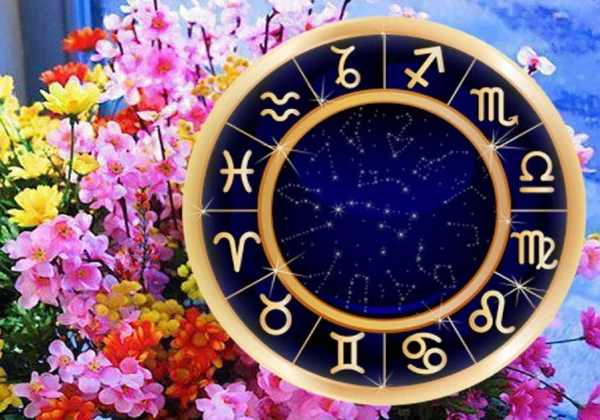
In Chinese tradition, each year is associated not only with an animal but also with an element. There are a total of 12 animals and five elements (Wood, Fire, Earth, Metal, and Water), which form a 60-year cycle – combinations within it do not repeat. Therefore, each year has its unique "character," rather than just a name based on the animal.
"Red" in this case is not related to the color in the literal sense, but to the belonging to the element of Fire, which is traditionally associated with warmth, light, strength, and active energy.
What the Horse Represents in Chinese Culture
The horse in Chinese symbolism is an image of movement and inner freedom. It is associated with qualities such as:
-
energy and high pace
-
independence and self-sufficiency
-
boldness in decisions
-
striving for goals and unwillingness to stand still.
It symbolizes people and periods when one wants to break free from routine, change trajectory, try new things, and move forward, even if the path is not yet fully clear.
How the Element of Fire Enhances the Character of the Year
The element of Fire makes all the qualities of the Horse more vivid and sharp. It adds:
-
passion and emotional involvement
-
ambition and a desire to act quickly
-
an impulse for change, sometimes even spontaneous.
Such a combination is considered strong and quite rare – the Fire Horse appears only once every 60 years. Therefore, the year is perceived as a period of high dynamics: many events, rapid turns, unexpected decisions, and increased personal activity.
How This is Interpreted in a More "Practical" Sense
If we remove all the mysticism, the Year of the Horse is usually associated with the idea that:
-
it is better to act than to wait for perfect conditions
-
growth occurs through movement and trying, not through endless planning
-
changes can be rapid, but they provide a chance for a qualitative leap.
Therefore, the year 2026 is often described as a time when those who are ready to take the initiative, take reasonable risks, and not postpone important steps will win.
Main Rituals and Customs of the Chinese New Year
Celebrating the Chinese New Year is a whole chain of traditions stretched over two weeks. Each stage has its significance.
Preparing for the Holiday: Cleansing the Space for the New
Before the lunar New Year, a thorough cleaning is mandatory in homes. It is believed that along with dust and clutter, misfortunes, illnesses, and problems from the past year are swept out of the house, making room for new luck and well-being.
But there is an important rule: in the first days of the holiday, cleaning is no longer allowed. According to superstition, one might accidentally sweep away happiness and good fortune that has just entered the home. Therefore, everything is tried to be finished in advance so that later one can simply live and enjoy.
Decorating the Home: Why Everything is Red and Why the Character is Upside Down
The main color of the holiday is red. It is considered a symbol of protection, joy, and life energy. The home is decorated to ward off all that is bad and attract good. The Chinese traditionally use:
-
red lanterns
-
paired inscriptions with wishes for good fortune and abundance, which are hung on either side of the door
-
the upside-down character for "happiness" (福) – it is intentionally placed upside down because the word "upside down" in Chinese sounds the same as "has come." As a result, it creates a play on words: "happiness has come." Decorating the home is not just decor, but a specific set of symbolic "messages" for the coming year.
The First Days of the New Year
Traditionally, the holiday lasts for 15 days, and each stage has its significance:
-
the night of the New Year’s Eve – a large family dinner when all generations gather at the table, and fireworks that symbolically drive away all that is bad
-
the first days – a time for visits to relatives, exchanging gifts, and red envelopes with money as a wish for good fortune
-
specific days are dedicated to visiting temples, making offerings to the gods, and honoring ancestors
-
there is also the day of the God of Wealth – Cai Shen, when people ask for success in business and financial well-being
-
everything concludes with the Lantern Festival, when the streets are adorned with glowing compositions, parades, and performances. This day is considered the official finale of the New Year period.
What Gifts are Given and How the Festive Table is Set in China
In the Chinese New Year, gifts and food are a way to wish for good fortune, health, and abundance. Almost everything on the table and in the gift package has its symbolic meaning.
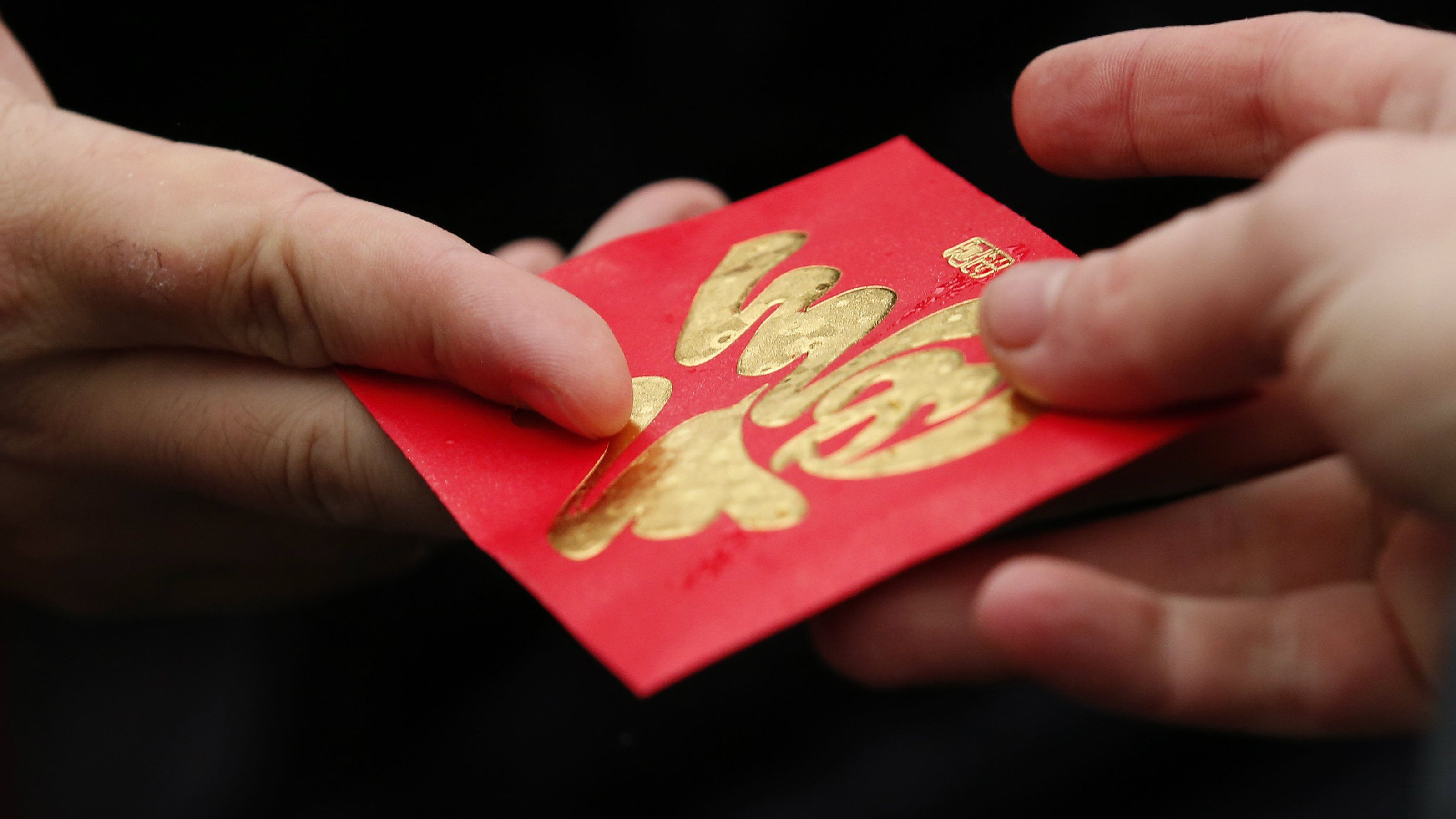
Gifts: Money and Fruits
The most universal and desired gift is the hongbao, a red envelope with money. It is traditionally given to children, elderly relatives, and can also be given to colleagues and subordinates. It is important not only the content but also the envelope itself: the red color symbolizes protection and good fortune.
In addition to money, it is common to give:
-
mandarins and oranges – their names sound similar to the words "wealth" and "gold"
-
tea – as a sign of respect and a wish for tranquility
-
dried fruits and nuts – for abundance and a sweet life
-
beautiful dishes or serving sets – as a symbol of abundance in the home.
At the same time, there are things that are not customary to give because they are considered bad omens:
-
clocks – associated with counting down to the end and farewells
-
sharp objects – a symbol of "cut" relationships
-
gifts in sets of four – the number 4 sounds similar to the word "death"
-
white or black packaging – colors of mourning.
So it is better not to experiment here: even the sweetest gift can become awkward if it carries unfortunate symbolism.
The Festive Table: Food as a Language of Wishes
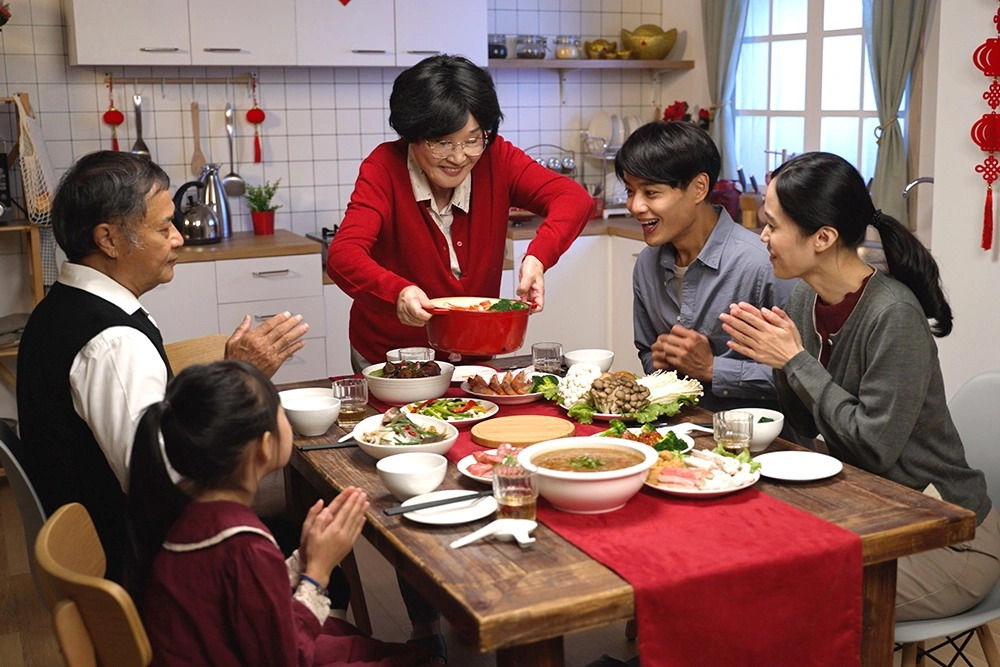
The New Year dinner is the central moment of the holiday. It is a time when the whole family gathers together, and celebrating the New Year alone is considered extremely undesirable.
The dishes on the table are chosen not only for taste but also for meaning:
-
fish – for abundance and prosperity (the word "fish" sounds similar to the word "surplus")
-
dumplings – for wealth, as their shape resembles gold bars
-
long noodles – for a long life, they are tried not to be cut
-
spring rolls – a symbol of prosperity and well-being
-
rice cakes – for growth, development, and moving forward.
The table is usually set generously: the more dishes, the richer the wish for the next year is considered. It is not about overeating, but about showing abundance and hospitality.
How the Chinese New Year is Celebrated Outside of China
Although the holiday is primarily associated with China, the lunar New Year is celebrated in many Asian countries – each with its own peculiarities and names.
For example:
-
in Korea, the holiday is called Seollal and is accompanied by family rituals and traditional clothing
-
in Vietnam, it is known as Tet – the most important holiday of the year, associated with renewal and honoring ancestors
-
in Malaysia, Singapore, Mongolia, and other countries in the region, the New Year is also celebrated on a large scale, with festivals and street parades.
-
Outside of Asia, the holiday has long become part of urban culture in metropolises with large Chinese diasporas. The most famous festivals take place in London, San Francisco, and Sydney.
Why This Holiday is Important
The Chinese New Year is not just a change of date in the calendar. It is a point of renewal, a time for family, a symbolic start of a new life cycle.
It is a moment when it is customary to stop the old and launch the new. And, to be honest, the idea is useful – regardless of nationality.