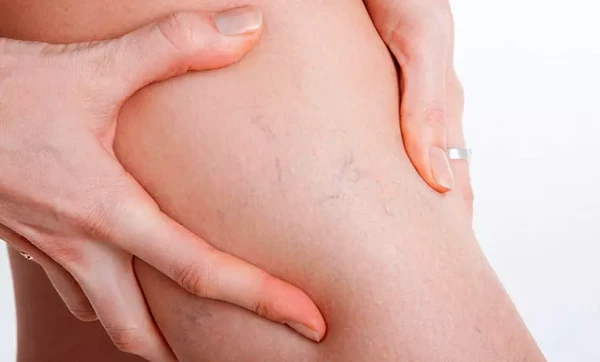
Visible veins on the legs are common among many people and do not always signal disease. However, in some cases, such changes may indicate circulatory disorders or the development of varicose disease. It is important to understand when this is a cosmetic feature and when it is a reason to consult a specialist.
Often, visible veins on the legs are a normal variant associated with anatomical features, heredity, physical activity, pregnancy, or weight changes. In well-developed individuals, blood vessels may be more noticeable under the skin without any pathologies.
However, if visible veins are accompanied by symptoms that worsen well-being, this may be a sign of venous insufficiency or varicose disease — a condition in which veins become enlarged, twisted, and can cause discomfort.
Worrisome symptoms include:
-
heaviness, fatigue, and pain in the legs after prolonged standing or walking;
-
swelling and cramps in the calf muscles;
-
changes in skin color near the veins;
-
nodules or thickening along the veins;
-
itching or a feeling of fullness in the area of the veins.
If such symptoms occur, it is advisable to consult a phlebologist or vascular specialist. They can assess the condition of the veins, perform an ultrasound examination, and prescribe treatment if necessary.
In more serious cases — for example, with persistent pain, changes in limb shape, bleeding from the veins, or the appearance of ulcers — urgent medical assistance is required.
...Visible veins on the legs are often a cosmetic phenomenon and do not require treatment, especially if there are no unpleasant symptoms. However, when pain, swelling, skin changes, or significant discomfort occur, it is important to consult a specialist in a timely manner to rule out or confirm venous pathology and receive appropriate treatment.