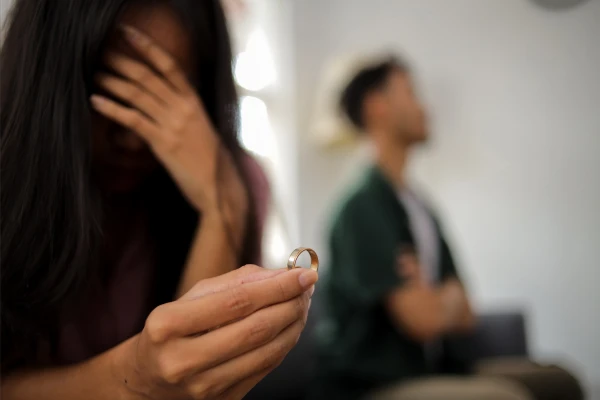
For many women, the thought of divorce turns into a real emotional trap. Even when relationships bring no joy, being the one to "break the family" is frightening. What exactly holds one back from breaking up and how to stop being afraid?
Historical Context
Until the early 20th century, divorce was only possible with the church's consent and only for serious reasons: imprisonment, infidelity, mental illness. With the advent of the USSR, divorce became widespread but remained socially condemned. A divorced woman was considered a "divorcee" and perceived as a marginal, while men after divorce held a high social status.
A "Good Husband" Is Also a Problem
It is hardest to leave a partner who outwardly seems perfect: "doesn't drink, doesn't hit, doesn't cheat." Society and relatives see no reason for a breakup and actively discourage it: "You won't find someone like him again." But even in such relationships, a woman often feels internal dissatisfaction — this is a signal that the union has run its course.
Abusive Relationships
If a marriage is accompanied by psychological or physical violence, the breakup is especially difficult. A strong emotional bond, dependence on the partner's approval, and the adrenaline cycle of "calm — tension — violence — reconciliation" keep a woman in the relationship. A psychotherapist can help break this cycle and restore inner freedom.
Infidelity as a Reason
Infidelity destroys trust but is not always the sole reason for divorce. Decisions should be made based on personal boundaries and feelings, not on friends' stories or societal stereotypes. Sometimes infidelity becomes a starting point for building new, higher-quality relationships.
Children and Divorce
Many women stay in marriage for the sake of the children. It is important to remember: children suffer not from the separate living of parents but from constant tension and conflicts between them. Keeping the family together for the sake of the children is not always justified — a child's mental health is more important than the peace and honesty of parents.
Practice for Decision-Making
To ease the decision-making process, a psychologist suggests answering several questions:
- What scares you more: staying or leaving?
- What consequences are you willing to accept?
- What decisions will lead to healthy relationships with the children?
Wavering and fears are exhausting, so it is important to remember: only you are the expert in your life. The decision to break up or preserve a relationship should be conscious, personal, and responsible.