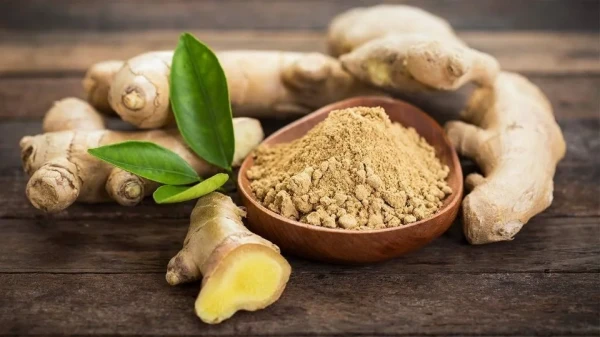
Ginger has long been a popular "health root" — it is added to tea, dishes, used for colds, to support immunity and digestion. But, like any active product, it has its limitations.
Benefits of Ginger
Ginger contains essential oils, gingerols, and shogaols, which are responsible for its spicy taste and warming effect. These substances have anti-inflammatory properties, improve digestion, reduce bloating, and help with mild nausea. The antioxidants in the root support the body's fight against oxidative stress.
Possible Risks
- Gastrointestinal Irritation: In cases of gastritis, ulcers, or increased acidity, ginger may exacerbate discomfort.
- Impact on Blood Pressure: It dilates blood vessels, which can sometimes cause dizziness or fluctuations in blood pressure.
- Blood Thinning: Combining it with medications that affect coagulation can be dangerous.
- Allergic Reactions: Itching, redness, or rash are reasons to stop consumption.
Ginger and Weight Loss
Ginger does not burn fat on its own. It only slightly speeds up metabolism and may reduce appetite, but without controlling caloric balance, there will be no "miraculous effect."
Forms of Ginger
- Fresh: The most active and beneficial.
- Dried: Concentrated, easy to overdo.
- Pickled: Often contains sugar and vinegar, less beneficial.
Conclusion: Ginger is a useful spice but requires moderation and careful attention to your body. It supports digestion and provides energy but is not a universal remedy.