
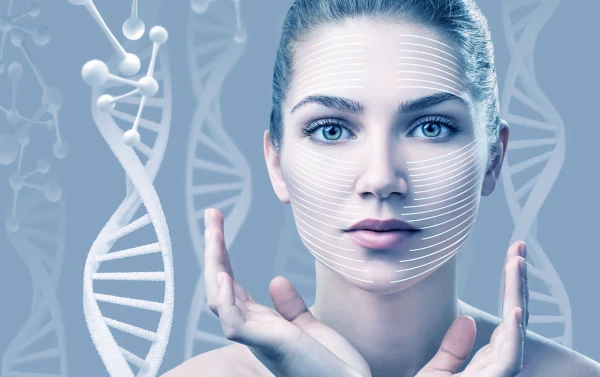
On different days of the month, the skin may appear smoother, denser, and calmer—or, conversely, become sensitive, flabby, and prone to redness. This is not a coincidence or a care error, but a natural reaction of the skin to hormonal fluctuations. We explore how the phases of the cycle reflect on the condition of the face and how to adjust care without radical changes.
Throughout the cycle, many notice recurring changes: the skin suddenly loses its smoothness, becomes redder more quickly, or appears thinner and dehydrated. The reason lies not in external factors, but in the internal hormonal background. The skin is a hormonally sensitive organ, and its density, texture, and ability to recover directly depend on the levels of estrogen and progesterone.
What Happens to the Skin During the Cycle
When talking about "hormonal face," it is not just about breakouts. More often, the changes are subtler: elasticity decreases, the skin reacts more intensely to touch, and familiar products start to feel different. This is related to the condition of the dermis, the epidermal barrier, microcirculation, and vascular activity.
The texture of the skin is influenced by micro-edemas, inflammatory background, and the activity of sebaceous glands. Density depends on how effectively the skin retains moisture and supports internal structures. All these processes are sensitive to hormonal fluctuations.
Follicular Phase: Stability and Recovery
In the first half of the cycle, the skin of many appears the most even and stable. It reacts more calmly to care, recovers faster, and reddens less often. The barrier functions are more active, the skin seems denser and more "tightened," even if there are minor imperfections.
Ovulation: Shine and Texture Change
During the ovulatory period, the activity of sebaceous glands may increase. Not only does the amount of sebum change, but its composition does as well. This manifests as shine, more noticeable pores, and a feeling of uneven texture.
If the skin barrier is in good condition, the changes may be minimal. However, if there is a tendency to dehydration or sensitivity, the skin is more likely to lose its smoothness during this period.
Second Half of the Cycle: Sensitivity and Decreased Density
After ovulation, the skin of many becomes more reactive. It reddens faster, tolerates active ingredients worse, and reacts more strongly to cold, wind, and dry air. Even without pronounced inflammation, the face may appear less dense and more "flabby."
This is related to changes in vascular response and the background of micro-inflammation. The skin loses moisture faster and recovers more slowly, so familiar care may sometimes cause tightness or burning sensations.
Why Hormonal Fluctuations Are So Noticeable on the Face
The skin has receptors for sex hormones, and the condition of the vessels and dermis directly depends on hormonal balance. When the ratio of estrogen to progesterone changes, the functioning of the protective barrier, microcirculation, and the level of inflammatory readiness of the tissues change.
A weakened barrier leads to rapid dehydration, and an active vascular response leads to redness. Visually, the skin appears less elastic and dense, even if there are no obvious damages or inflammations.
How to Adapt Care to the Phases of the Cycle
This is not about a complete change of cosmetics, but about adjusting the load on the skin.
In the first half of the cycle, the skin usually tolerates care more easily.
-
You can use renewing products if they are already in your routine.
-
It is a suitable time for procedures that require recovery afterward.
-
It is acceptable to test new products and textures.
-
During ovulation, it is important to monitor sensations.
-
Do not layer too many products.
-
Pay attention to dense formulas.
-
Maintain a balance between cleansing and barrier protection.
In the second half of the cycle, it is better to reduce the load.
-
Focus on hydration and restoring barrier function.
-
Reduce the frequency of active ingredient application.
-
Choose products that reduce irritation and tightness.
The main guideline is not the calendar, but the repeatability of reactions. If the skin loses density and stability at the same time every month, it needs support, not intensified exposure.
When Changes Are Not Related to the Cycle
If decreased density, pronounced redness, or worsening texture persist regardless of the phase of the cycle, it is important to rule out dermatological diseases and consult a specialist. Hormonal fluctuations may exacerbate manifestations, but they are not always the primary cause.












Leave a comment